Fintech has changed payday borrowing, but not every app is a safer choice.
If you are comparing fast-cash options, the real question is whether the product lowers fees, gives you more repayment flexibility, and avoids the debt spiral that makes payday loans so expensive. For a broader view of the technology behind the shift, see our tech-innovation overview.
What Fintech Changes For Borrowers
The biggest shift is not just speed. Fintech lenders and cash-advance apps have made it easier to borrow, easier to see costs up front, and easier to compare repayment mechanics before you commit. That matters because many borrowers are not looking for a long-term loan; they are looking for a short bridge without the worst parts of traditional payday lending.
Quick Decision Guide
- Choose fintech if you need speed, simpler access, or lower advertised fees.
- Choose caution if repayment is tied to your next paycheck and the app nudges repeated borrowing.
- Choose alternatives if a payment plan, credit union loan, or employer advance gives you more breathing room.
Fintech Options Compared Side By Side
| Option | Typical fee profile | Access and eligibility | Repayment timing | Best fit |
|---|---|---|---|---|
| Earned Wage Access | Often low-cost or fee-based, sometimes with optional tips | Usually tied to payroll or direct deposit history | Usually repaid from your next paycheck | Workers with predictable pay and short-term gaps |
| Cash Advance Apps | May use subscription fees, express fees, or optional tips | Often requires bank-linking and income activity | Pulled automatically or settled on the next deposit | Small emergencies when you can repay quickly |
| Fintech Banking Apps | Low or no monthly fee in some cases, with add-on service fees possible | Typically easier than bank-loan underwriting | May use overdraft-style protection or instant advances | Consumers who want a broader financial app, not just a loan |
| Personal-Loan Fintech | Usually more transparent than payday lending, but APR can still vary widely | May depend on income, credit profile, and banking history | Fixed installment schedule over weeks or months | Borrowers who need structure and time to repay |
Why Fintech Alternatives Feel Easier
Traditional payday loans are often expensive because they compress the loan into a short term and rely on repeated use to stay profitable. Fintech alternatives usually win on usability: simpler apps, quicker approval, and more apparent cost information. That does not automatically make them harmless, but it does change the borrower experience.
For many readers, the appeal is that fintech products are designed around real cash-flow timing. A wage advance or app-based bridge can be easier to understand than a storefront loan with layered fees. If you want to see how that shift affects borrower scoring, our article on AI scoring and lending explains how data is changing approval decisions.
The key advantage is not that fintech removes risk. It is that it often makes the tradeoffs more visible: what you will pay, when repayment happens, and whether the product is a one-time bridge or a repeating convenience that can become expensive over time.
A Practical Borrower Checklist
- Check whether repayment comes from your next paycheck automatically.
- Look for subscriptions, express fees, or optional “tips” that raise the real cost.
- Compare the maximum advance with the amount you actually need.
- Confirm whether the app offers flexibility if your deposit arrives late.
- See whether the product helps you avoid repeat borrowing or simply makes it easier.
Where The Real Costs Hide

Many fintech products advertise lower costs than payday lenders, and in many cases that is true. The catch is that borrowers still need to read the full structure of the offer. A cash-advance app may not charge traditional interest, but it can still use subscription pricing, fast-transfer charges, or repeated micro-withdrawals that add up.
This is where consumer-friendly branding can become misleading. A product can look cheaper because it is packaged as a banking app or wage-access tool rather than a loan. The practical question is whether the product changes your repayment burden or simply shifts it into another form.
The best fintech alternatives are the ones that help you bridge a temporary gap without creating a second gap two weeks later. If the repayment date lands before your essential bills, or if repeated advances become a habit, the app may be replacing one problem with another.
Regulation Still Matters
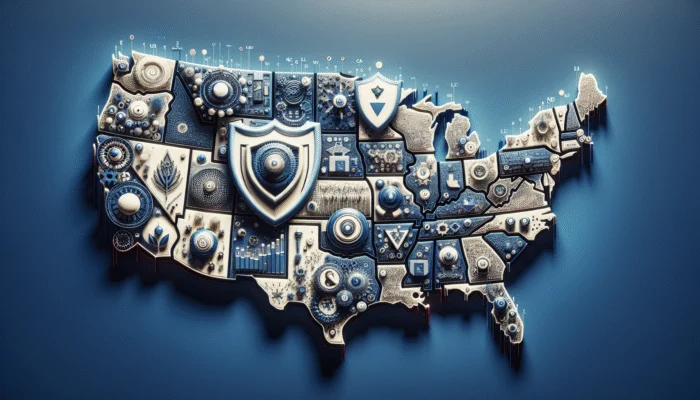
Fintech is not outside the regulatory system. In fact, state rules often determine whether a product is truly borrower-friendly or simply a faster way to charge short-term fees. California and New York are useful examples because they show how consumer protection can shape the market.
That matters for readers because the same app can feel very different depending on where you live. State-level loan caps, disclosure rules, and ability-to-repay expectations can change the actual cost and availability of a product. In other words, the fintech label does not guarantee a favorable outcome.
When you evaluate a product, look for clear disclosures, repayment timing you can live with, and a lender or app that behaves consistently with responsible lending principles instead of only marketing convenience.
What Borrowers Should Watch Before Choosing An App

Access
Check whether the product fits your income pattern, deposit history, or banking setup. Easy access is helpful only if the repayment schedule is realistic.
Cost Transparency
Compare interest, tips, subscriptions, instant-transfer charges, and renewal or rollover features. The cheapest-looking option is not always the cheapest one.
Repayment Mechanics
Automatic repayment can be convenient, but it can also create overdraft risk if your balance is too thin when the withdrawal hits.
The Role Of Financial Education And Responsible Lending
One reason fintech products are often seen as an improvement is that they sometimes bundle budgeting tools, spending alerts, or credit-building features alongside the cash access itself. That can be useful, but only if the product helps you make a better decision rather than just pushing another advance.
The strongest models do three things well. They explain the repayment in plain language, they avoid encouraging endless repeat borrowing, and they give users enough context to decide whether an advance is actually necessary. That is why financial education remains part of the conversation around modern borrowing, not a separate side topic.
If you are trying to avoid repeat short-term debt, it can help to start with a broader borrowing plan and compare payday-loan basics against smarter alternatives before choosing a fintech product out of urgency.
When Fintech Is A Better Fit — And When It Is Not
Fintech alternatives make the most sense when your cash shortfall is small, short-lived, and backed by near-term income. They are less helpful when the real problem is a persistent budget deficit, unstable employment, or a need for a repayment period longer than one pay cycle.
If you need structure, a fixed-installment product or another alternative may be better than a wage-linked advance. If your main goal is to avoid predatory pricing, the right comparison is not just “app versus storefront.” It is “which option gives me the clearest path out of debt?”
For that broader comparison, our guide to payday-loan alternatives is the best next stop. If you are already dealing with a hard repayment problem, the practical next step may be a review of repayment tips and debt management instead of taking on more short-term credit.
Next Step If You Are Comparing Options Now
Start with the product that makes repayment clearest, not the one that promises the fastest approval. Then check whether the app’s fees, payout timing, and automatic deduction rules would actually fit the rest of your month.
Frequently Asked Questions

Jacob Harrison is a dynamic author specializing in a broad range of topics for QuickLoanPro. With a keen eye for detail and a passion for making financial concepts accessible, he helps readers navigate the complexities of personal finance, loans, and budgeting. Jacob’s insightful articles aim to empower individuals with the knowledge they need to make informed financial decisions, blending informative content with practical advice. Through his engaging writing style, he strives to connect with audiences, providing them with valuable resources for their financial journeys.



The transition from traditional storefront payday lenders to fintech-enabled platforms marks a critical moment in financial services, particularly regarding accessibility and consumer empowerment. As companies like Earnin and Chime lead the charge, we must consider the broader implications of this shift.
It’s interesting to think about how the transition from traditional storefront payday lenders to fintech-enabled platforms truly shifts the landscape of financial services. The focus on accessibility and consumer empowerment is vital, especially given how many people have struggled with predatory lending in the past. Companies like Earnin and Chime do seem to offer a fresh perspective, often prioritizing user experience and transparency in a way that wasn’t always present in traditional lending.
Your exploration of the evolution of payday lending highlights crucial trends in financial accessibility. The shift from traditional storefront lenders to fintech platforms not only reflects technological advancements but also speaks to a growing demand for more transparent lending practices. Companies like Earnin and Chime indeed represent a significant departure from the predatory models of the past, offering services that prioritize consumer welfare.
You’ve touched on some important points. The move towards fintech platforms does seem to signal a hopeful shift in how we think about lending. The focus on transparency is refreshing, especially when you consider the predatory practices that have plagued consumers for too long.
“I’m glad you found the exploration insightful! If you’re interested in learning more about how these modern lending solutions can enhance financial accessibility, check out this resource.”
https://quickloanpro.com/alexandria-la/payday-loans-grant-parish-la
You’ve made some great observations about the shift towards fintech platforms and their potential to transform the lending landscape. It’s true that the emphasis on transparency stands in stark contrast to some of the predatory practices we’ve seen over the years. For many people, lending has often felt more like a trap than a solution, and changing that narrative is genuinely empowering.
“I’m thrilled to hear you resonate with these ideas! If you’re curious about how innovative lending options can improve financial inclusivity, take a look at this helpful resource.”
https://quickloanpro.com/payday-loan-solutions-chalmette-la
The shift from traditional storefront lenders to fintech platforms like Earnin and Chime does seem to reflect a promising change in the payday lending landscape. However, I wonder if these innovations truly solve the underlying issues of financial anxiety and dependence that many consumers face. While these platforms advocate transparency, they might still perpetuate a cycle of borrowing rather than addressing the root causes of financial instability, such as stagnant wages or healthcare costs.
You bring up some important points, and it’s a conversation worth having. The shift to fintech products like Earnin and Chime does seem to offer an alternative to the traditional payday lending model that has historically trapped people in cycles of debt. But you’re right—these innovations might not be the magic bullet we hope for.
Your thoughts on the shift from traditional storefront lenders to fintech platforms like Earnin and Chime open up a crucial conversation about the nature of financial anxiety and dependence. It’s a complex issue, and I appreciate you highlighting that these innovations might not tackle the root challenges many consumers face, such as stagnant wages and rising healthcare costs.
The shift from traditional storefront payday lending to online platforms is fascinating and speaks volumes about how technology is reshaping our financial landscape. Companies like Earnin and Chime are making strides, not only by offering alternatives that prioritize transparency but also by instilling a sense of financial dignity for borrowers who might have previously felt trapped in a cycle of debt.
The shift toward fintech solutions like Earnin and Chime in the payday lending space is quite fascinating. As someone who has experienced the frustrations of traditional lending, I appreciate how these platforms prioritize transparency and consumer-friendly practices. Their ability to sidestep some of the restrictive barriers that typically exclude individuals with poor credit is crucial in today’s economy, where unexpected expenses can arise at any moment.
It’s fascinating to see how fintech innovations are reshaping the payday lending landscape. The shift from brick-and-mortar stores to digital platforms like Earnin and Chime not only makes borrowing more accessible but also adds a layer of transparency that was often missing in traditional lending practices. I think it’s crucial for consumers to understand the implications of these changes, especially regarding fees and repayment terms, which can sometimes be hidden or easily overlooked.
The shift to fintech in payday lending truly reflects our changing relationship with money and credit. I remember when I first encountered Earnin; it felt revolutionary to see a platform prioritize transparency and fair access over the predatory nature of traditional lenders. This evolution is not just about convenience—it’s about empowering individuals to take charge of their financial narratives.
It’s interesting how the shift to fintech has redefined our perspectives on borrowing and credit. Your experience with Earnin really highlights a crucial moment in our financial landscape—seeing a platform that values transparency really changes the game. For so long, traditional payday lenders have operated in a space where predatory practices often overshadowed genuine need.
It’s fascinating to see how the evolution of the payday lending landscape is being shaped by fintech innovations like those from Earnin and Chime. As someone who has navigated the challenges posed by traditional payday lenders, I can personally relate to the frustration of high fees and limited options that often accompany these loans. The transition to online platforms offers a refreshing reprieve and reflects a broader trend in our society where technology seeks to democratize financial services.
Ah, the wild world of fintech and payday borrowing—it’s a bit like trying to navigate a carnival funhouse while blindfolded. You may not lose your life savings in one fell swoop, but there’s plenty of potential for some serious bumps and rips in your financial sanity! You did a fantastic job outlining the critical elements we need to consider when wading through this ever-shifting landscape.
It’s fascinating to see how fintech is transforming the landscape of short-term borrowing. The potential for borrowers to access options that not only lower fees but also enhance repayment flexibility is a game-changer. From my perspective, the upfront transparency of costs offered by these platforms is equally significant—it empowers consumers to make informed choices without the stress of hidden fees.
Your analysis highlights a vital shift in how consumers interact with payday borrowing options within the fintech landscape, but I can’t help but wonder if the speed and accessibility that fintech offers might also lead to unintentional consequences. While it’s true that fintech alternatives often provide clearer cost structures and more flexible repayment terms, the underlying ease of borrowing could inadvertently reinforce a dependency on quick cash solutions for many individuals who might not have otherwise considered such loans.