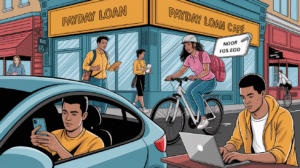
“`html
The Gig Economy refers to a labor market characterized by short-term, flexible jobs typically mediated by digital platforms, where individuals offer their services on an as-needed basis instead of traditional, full-time employment. This evolving work model has transformed the way people earn income and engage with businesses, creating opportunities for workers and challenges for regulatory environments.
Key Attributes of Gig Economy
Freelancing: Independent workers provide services in various fields such as writing, graphic design, programming, and consulting.
On-Demand Services: Companies like Uber and TaskRabbit connect service providers with customers seeking immediate assistance.
Remote Work: Opportunities that allow for work from anywhere, promoting flexibility and work-life balance.
Sharing Economy: Platforms allowing individuals to share their personal assets, like Airbnb for lodging or Turo for car rentals.
Micro-Tasks: Simple, small tasks that can be completed quickly, often through platforms like Amazon Mechanical Turk.
Digital Marketplaces: Websites that facilitate the exchange of services or goods, such as Fiverr and Upwork.
Performance-Based Pay: Compensation models based on the completion of tasks or projects rather than hourly wages.
In this category, users will find a rich array of content designed to inform and guide individuals interested in navigating the gig economy. This includes informational guides about starting a gig career, tips for successful freelancing, comparisons of different gig platforms, and insights into the evolving legal landscape surrounding gig work. Additionally, users can explore articles focused on optimizing gig work through effective marketing strategies and building a personal brand.
Furthermore, this category connects to related topics such as remote work trends, the impact of technology on employment, and financial planning for gig workers. These contextual connections enrich the understanding of the gig economy, highlighting its implications for the future of work and its integration with traditional job markets.
“`