
Understanding Payday Loan Costs and Fees
A payday loan is a short-term, high-interest loan typically used to cover urgent expenses until the borrower’s next paycheck. This article will explore various fees associated with payday loans, how to calculate total costs, and strategies to minimize expenses while understanding the risks involved.
What Fees Are Associated with Payday Loans?

What Are the Different Types of Fees?
- Origination Fees: Charged for processing the loan, typically $15-$30 per $100 borrowed.
- Late Payment Fees: Range from $15-$50, depending on the lender and state regulations.
- Rollover Fees: Additional fees incurred if the loan is extended, usually 10%-30% of the loan amount.
How Are Finance Charges Determined?
Finance charges are calculated as a percentage of the loan amount, often ranging from 15%-30%.
How Does the Loan Term Affect Costs?
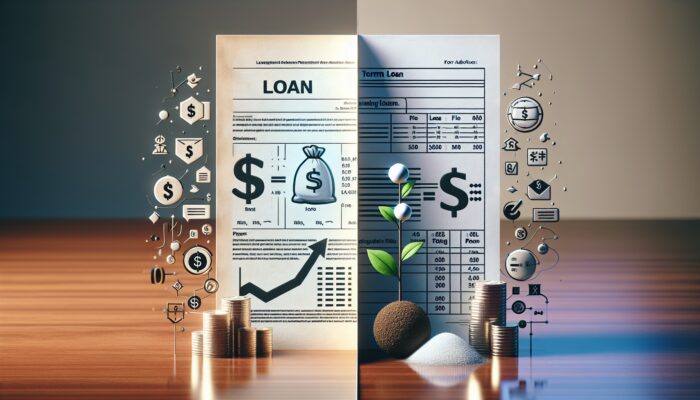
Short-term loans (e.g., 14 days) may incur higher fees, while long-term loans (e.g., 30 days) may accrue more interest overall.
How to Calculate Total Costs of a Payday Loan
What Is the Principal Amount in a Payday Loan?
The principal amount is the initial sum borrowed, which varies by state regulations, typically ranging from $100-$1,500.
How Are Interest Rates Calculated for Payday Loans?

- Flat Rate Method: A fixed percentage applied to the principal amount.
- APR Method: Represents the total yearly cost, including fees, often exceeding 300% in many states.
How Can You Use a Payday Loan Calculator?
Online calculators require the loan amount, term, and applicable fees. Ensure these calculations align with state regulations for accuracy.
Expert Insights on Calculating Payday Loan Costs
What Are Real-World Examples of Cost Calculations?
- Loan Amount: $300, Term: 14 days, Fees: $90. Total Cost: $390.
- Loan Amount: 0, Term: 30 days, Fees: $150. Total Cost: $650.
What Is Expert Analysis on Fee Structures?
- Typical Fee Types: Origination, late payment, rollover fees.
- Implications: High fees can compound costs significantly, especially with rollovers. Understanding these implications is crucial, especially when considering how payday loans can impact your credit. Read more about Payday Loans Ruin Credit: Key Steps for Recovery. For more information on managing defaults, check out our guide on Surviving Payday Loan Defaults: Essential Strategies. For more information, visit our section on Payday Loans to understand their impact on your financial health.
What Are Actionable Steps for Cost Reduction?
- Consider making early payments where possible.
- Explore options for negotiating loan terms.
- Research state-specific programs for reducing fees.
How Does Loan Duration Impact Costs?
Longer durations generally lead to higher interest accrued; short-duration loans incur higher fees but typically result in lower total interest cost.
Why Is It Important to Compare Lenders?
- Benefits: Lower fees, better interest rates, improved repayment terms. Consider exploring Payday Loan Alternatives: Discover Lower Rate Options to find better financial solutions.
- Tools: Utilize online comparison sites (e.g., LendingTree, NerdWallet) for better insights.
What Are the Risks Associated with Payday Loans?
What Are the Risks of Late Payments?
- Increased fees and interest rates.
- Potential for collection actions.
- Negative impact on your credit score.
How Can Loan Rollovers Affect Costs?
Rollovers can add 10%-30% in fees, significantly increasing the total cost of the loan.
What Is the Impact of Defaulting on a Payday Loan?
Defaulting can lead to legal actions, collections, and increased financial burdens for the borrower.
How to Effectively Compare Payday Loan Offers
What Should You Look for in Loan Terms?
- Lowest total cost: Fees, interest rates, repayment schedules.
- Length of loan: Shorter terms may incur higher fees.
How Do You Compare APRs Across Different Lenders?
APR calculations vary by lender; ensure that comparisons include total costs to avoid misleading information.
How Can You Evaluate Lender Reputation and Reviews?
Utilize platforms like Better Business Bureau and Trustpilot to assess lender credibility and reliability.
Strategies to Minimize Costs of Payday Loans
What Are Effective Repayment Strategies?
- Pay off loans early to save on interest and fees.
- Make larger payments when possible to quickly reduce the principal amount.
How Can You Negotiate Loan Terms?
Discuss potential for lower fees and interest rates based on competitor offers to negotiate better terms.
What Are the Benefits of Paying Off Loans Early?
Paying off loans early can lead to reduced total costs, but it’s essential to verify terms for penalties or fees associated with early repayment.
How Can Budgeting Help Reduce Loan Costs?
Creating a budget assists in managing repayments and reduces the need for rollovers, thereby minimizing costs.
What Role Do Loan Comparison Tools Play?
- They help identify the best rates and terms available.
- Can save significant amounts by choosing competitive lenders.
Trusted Strategies for Calculating Payday Loan Costs
What Are Real-World Examples of Cost-Saving Strategies?
- Paying off a $500 loan with $150 in fees early, saving on interest costs.
- Negotiating a lower fee for a $300 loan, reducing the total cost from $390 to $360.
What Is Expert Analysis on Cost-Effective Loan Options?
Consider alternatives such as personal loans or credit union loans, which often come with lower rates and terms.
What Are Actionable Steps for Loan Cost Management?
- Research state regulations to find lower-cost options.
- Utilize budgeting tools to manage payments effectively and avoid unnecessary fees.
Legal Considerations for Payday Loans
What Are the State Regulations on Payday Loans?
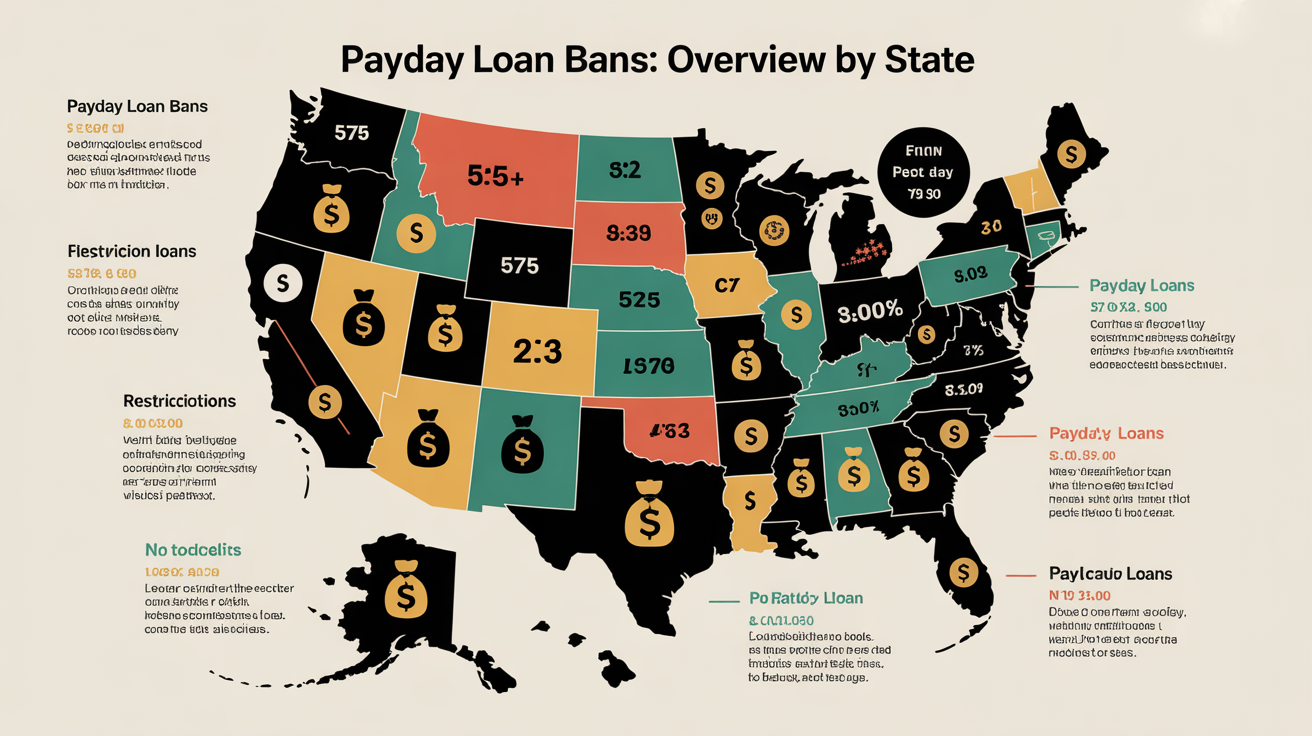
Each state sets limits on APR, fees, and maximum loan amounts; some states prohibit payday loans entirely.
How Do Federal Laws Impact Payday Loans?
Federal laws mandate disclosures on loan costs through the Truth in Lending Act, ensuring transparency.
What Is the Importance of Loan Agreements and Disclosures?
Review loan agreements to understand all costs and terms before signing to avoid future financial complications.
What Are the Consequences of Non-Compliance with Payday Loan Regulations?
Non-compliance can result in fines, increased scrutiny, and potential legal repercussions for lenders.
What Are Alternatives to Payday Loans?
What Are Personal Loans and How Do They Compare?
Personal loans typically have lower interest rates (ranging from 6%-36%) and longer repayment terms compared to payday loans.
How Can Credit Unions Assist Borrowers?
Credit unions often provide lower rates and reduced fees; however, membership is usually required.
What Are the Benefits of Borrowing from Friends or Family?
- No interest or fees attached.
- Flexible repayment terms that can be adjusted based on personal circumstances.

Megan Hannford is an insightful author at QuickLoanPro, where she explores a diverse array of general topics related to finance, personal development, and lifestyle. With a passion for empowering readers through accessible information, she distills complex concepts into engaging content that resonates with a wide audience. Megan holds a degree in Communications and brings her expertise in writing and research to create valuable resources that guide individuals toward informed financial decisions.


This is a really insightful breakdown of payday loan costs! It’s eye-opening to see just how quickly fees can add up. I used a payday loan once during a financial crunch, and I learned the hard way about the impact of those origination and rollover fees. It’s almost like getting caught in a cycle where you need to keep extending just to manage the rising costs.
You’ve done a great job outlining the essential aspects of payday loans and the associated costs. It’s eye-opening to see how easily one can fall into a cycle of debt due to high fees and interest rates. I remember when I was in a tight financial spot and considered a payday loan. Thankfully, I did some research first and discovered alternative solutions like credit unions and community support programs that provide more manageable terms.