“`html
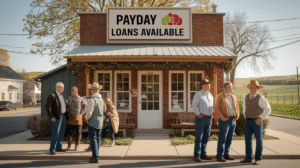
Rural Lending is a financial service specifically designed to provide loans and credit to individuals and businesses located in rural areas. This specialized sector aims to address the unique economic and social challenges faced by rural communities, ensuring access to funds for development, agriculture, housing, and small business ventures.
Key Attributes of Rural Lending
Types of Loans: Rural lending encompasses various loan types, including agricultural loans, agricultural credit, small business loans, rural housing loans, and microloans.
Loan Providers: This category covers a spectrum of lending institutions such as commercial banks, credit unions, community banks, and government programs.
Government Programs: Discussions include federal and state-backed loan programs like the USDA Rural Development Guaranteed Housing Loan and the Farm Service Agency loans, aimed at supporting farmers and rural homeowners.
Financial Literacy: Content in this category will address the importance of financial education for rural borrowers and highlight resources for improving knowledge on lending processes.
Challenges in Rural Lending: Key issues such as limited access to traditional banking services, high-interest rates, and the impact of economic downturns on rural communities are explored here.
Success Stories: The category will showcase real-life case studies where rural lending has effectively empowered individuals and communities to thrive.
Readers can expect a wealth of resources and information within this category, including comprehensive guides on obtaining rural loans, comparative analyses of loan products, tips for navigating the lending landscape, and advice on improving credit worthiness. The content is tailored to assist potential borrowers in making informed decisions, whether they are looking to finance a new home, expand an existing business, or invest in agricultural ventures.
Rural Lending connects closely with topics such as agricultural financing, economic development in rural areas, housing solutions, and small business development. Together, these subjects create a broader framework around financial opportunities and challenges faced by rural populations. This interconnected approach ensures users can easily navigate related areas of interest, enhancing their understanding and capacity to engage effectively in rural lending.
“`