Understanding Credit Card Debt
What Is Credit Card Debt?
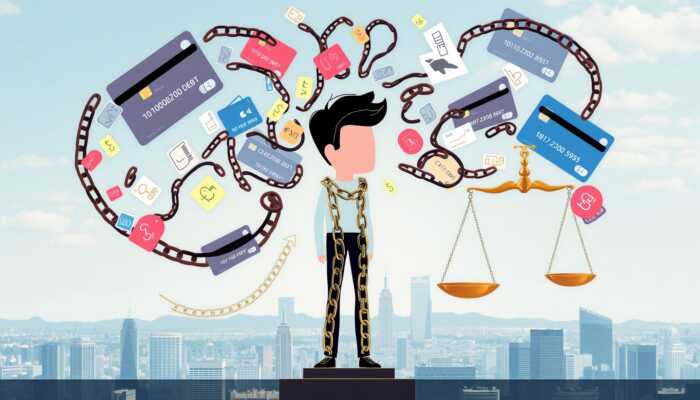
Credit card debt is the outstanding balance owed to credit card issuers. This debt accrues interest at variable rates, leading to rapidly increasing amounts owed if not paid promptly. Credit cards often have enticing introductory offers and cashback rewards, but they can also encourage overspending. When consumers carry a balance beyond the grace period, they incur interest charges that compound, complicating repayment. Understanding credit card debt mechanics is vital for effective financial management.
- Credit card debt is the balance owed to issuers.
- Interest rates can vary significantly.
- Overspending can lead to financial strain.
How Is Credit Card Debt Calculated?
The calculation of credit card debt is straightforward. It begins with the total amount charged to your credit card, from which any payments made are deducted. However, interest rates and applicable fees significantly influence the overall debt amount. For instance, a credit card with a 20% interest rate and a $5,000 balance could lead to hundreds of dollars in interest over time. Debt can grow quickly, especially with only minimum payments made.
- Debt calculation starts with total charges.
- Payments reduce the outstanding balance.
- Interest rates impact the total debt significantly.
Why Is Credit Card Debt a Problem?
High levels of credit card debt can lead to significant financial strain. It impacts your current financial health and can have lasting effects on your credit score. A higher credit utilization ratio, which compares your credit usage to your total available credit, can lower your credit score. This limits borrowing options and can lead to higher interest rates on future loans. Moreover, the psychological stress of managing debt can lead to anxiety and poor financial decisions.
- Credit card debt impacts financial health.
- High utilization ratios can lower credit scores.
- Debt management stress can lead to poor decisions.
How Does a Personal Loan Work?

What Are the Key Features of Personal Loans?
Personal loans are financial products designed to help individuals manage their borrowing needs, particularly for debt consolidation. A primary feature of personal loans is that they typically come with fixed interest rates, making monthly payments predictable. Unlike credit card debt, which can fluctuate, personal loans offer stability. These loans can be unsecured or secured, with defined repayment periods ranging from a few months to several years.
- Personal loans often have fixed interest rates.
- They can be secured or unsecured.
- Defined repayment periods encourage discipline.
What Are the Requirements for Getting a Personal Loan?
To qualify for a personal loan, lenders generally require several criteria to be met. A good credit score is often essential; lenders typically prefer scores above 650. Additionally, proof of steady income, such as pay stubs or tax returns, is necessary to assess repayment ability. A low debt-to-income ratio, which compares total monthly debt payments to gross monthly income, is also favorable. Meeting these requirements enhances your chances of securing favorable loan terms.
- Good credit score is essential for approval.
- Proof of income is necessary.
- Low debt-to-income ratio improves chances.
Key Steps to Secure a Personal Loan

- Check your credit score to assess eligibility.
- Research different lenders to compare rates.
- Gather necessary documentation, including income proof.
- Apply for the loan, ensuring you understand the terms.
- Review and accept the loan offer if it meets your needs.
- Receive the funds and pay off credit card debt.
Securing a personal loan involves multiple steps that require thorough preparation. Checking your credit score can help identify issues to address. Researching different lenders and comparing interest rates is crucial, as these can vary significantly. Gathering required documentation ahead of time streamlines the application process. Understanding the fine print of the loan terms ensures informed decisions.
How Long Does It Take to Get a Personal Loan?
The timeline for obtaining a personal loan can vary based on the lender and your preparedness. Some lenders can provide a decision within a few days, while others may take longer. Once approved, funding is typically available within a week, allowing you to address financial obligations promptly. Being proactive in submitting required documents and communicating with your lender can expedite the process.
- Approval timelines can vary by lender.
- Funding is often available within a week.
- Proactive communication can expedite the process.
What Are the Common Uses for Personal Loans?
Personal loans are versatile financial tools that can serve various purposes. Many people utilize them for debt consolidation, which allows borrowers to combine multiple high-interest debts into a single payment. Beyond consolidation, personal loans can finance home improvements, medical expenses, or major purchases, offering flexibility for borrowers. This flexibility allows consumers to tailor their borrowing to meet specific goals.
- Debt consolidation is a common use.
- Loans can finance home improvements.
- Flexibility allows tailored borrowing options.
Expert Insights on How to Consolidate Credit Card Debt With A Personal Loan
Provide Actionable Steps to Start Consolidating Debt
To effectively consolidate credit card debt using a personal loan, assess your total outstanding credit card debt. Gather statements from all your credit cards to determine the total amount owed, including accrued interest and fees. Once you have a clear picture of your debt, research personal loan options. Look for loans that can cover your total credit card balance and compare interest rates, terms, and fees. Many lenders offer online calculators to estimate monthly payments based on different loan amounts.
- Assess total outstanding credit card debt.
- Research personal loan options thoroughly.
- Use online calculators for estimates.
Offer Expert Analysis on Interest Rates
Interest rates play a crucial role in consolidating credit card debt with a personal loan. Compare the interest rates of your existing credit cards with those offered by potential personal loans. If the personal loan’s rate is significantly lower, consolidating can result in substantial savings. For instance, consider a scenario where one carries a $10,000 credit card balance at 20% interest versus a personal loan at 10%. The difference in monthly payments and total interest paid can be striking.
| Debt Type | Balance | Interest Rate | Monthly Payment | Total Interest Paid |
|---|---|---|---|---|
| Credit Card | $10,000 | 20% | $300 | $3,600 |
| Personal Loan | $10,000 | 10% | $200 | $1,200 |
What Should You Avoid When Consolidating Debt?
When consolidating debt with a personal loan, avoid certain pitfalls to ensure a successful outcome. One primary concern is falling victim to predatory lenders. Thoroughly review the terms of the personal loan, paying close attention to interest rates, fees, and repayment conditions. Additionally, avoid accumulating new credit card debt after consolidating; this can undermine the benefits of your consolidation efforts. Maintaining a disciplined approach to spending and debt management is crucial.
- Avoid predatory lenders by reviewing terms carefully.
- Do not accumulate new credit card debt.
- Maintain a disciplined approach to spending.
Evaluate Your Credit Score Before Applying
Evaluating your credit score before applying for a personal loan is vital in the debt consolidation process. A higher credit score typically translates to better interest rates and terms, making the loan more manageable. Check your score through various financial institutions or credit reporting agencies. If your score is lower than desired, consider measures to improve it before applying, such as reducing existing debt or making timely payments.
- Check your credit score through various sources.
- Improving your score can lead to better terms.
- Timely payments enhance your credit profile.
Understand the Impact on Your Credit Report
Applying for a personal loan can temporarily affect your credit score through a hard inquiry conducted by lenders during the application process. This may cause a slight dip in your score initially. However, once the loan is secured and used to pay off credit card debts, the long-term benefits can outweigh the temporary setback. A successful consolidation can improve your credit health by lowering your credit utilization ratio.
- Hard inquiries may temporarily lower your score.
- Long-term benefits can outweigh initial dips.
- Consolidation can improve credit health.
What Are the Benefits of Consolidating Credit Card Debt?
How Can Consolidation Help Improve Your Credit Score?
Consolidating credit card debt with a personal loan often leads to improved credit scores over time. By paying off multiple credit cards, you lower your credit utilization ratio, a significant factor lenders consider. A lower ratio indicates better credit management, positively affecting your credit score. As you make consistent, on-time payments on your personal loan, you also enhance your positive payment history.
- Consolidation lowers credit utilization ratios.
- Improved management leads to better credit scores.
- Consistent payments enhance credit history.
Can Consolidation Reduce Monthly Payments?
One appealing aspect of consolidating credit card debt with a personal loan is the potential for reduced monthly payments. Personal loans often feature lower interest rates than credit cards, especially for borrowers with good credit. This translates into lower monthly payments, making it easier to manage debt. For instance, if a consumer has $15,000 in credit card debt with an average interest rate of 18%, the minimum monthly payments could be substantial. In contrast, a personal loan at 10% might significantly reduce monthly payments.
| Debt Type | Balance | Interest Rate | Monthly Payment |
|---|---|---|---|
| Credit Card | $15,000 | 18% | $450 |
| Personal Loan | $15,000 | 10% | $300 |
What Are the Long-Term Financial Benefits?
The long-term financial benefits of consolidating credit card debt with a personal loan extend beyond immediate payment relief. Borrowers may significantly lower overall interest payments, saving thousands over the loan’s life. This strategy streamlines payments to a single lender and fosters disciplined repayment habits. Successfully managing this debt can lead to an improved credit score and increased borrowing options in the future.
- Lower overall interest payments save money.
- Streamlined payments simplify financial management.
- Improved credit scores lead to better borrowing options.
Trusted Strategies for How to Consolidate Credit Card Debt With A Personal Loan
Include Real-World Examples of Successful Consolidation
Many individuals have achieved significant financial relief through successful consolidation of credit card debt with personal loans. For example, a borrower with $20,000 in credit card debt across five cards secured a personal loan at a lower interest rate. They paid off the entire credit card balances immediately. This move simplified their monthly payments and reduced interest costs substantially, leading to more manageable financial oversight.
- Successful consolidation can lead to financial relief.
- Lower interest rates simplify payments.
- Managing fewer debts reduces stress.
What Are the Risks of Using a Personal Loan for Consolidation?
While consolidating debt with a personal loan can be beneficial, it comes with risks. One significant risk is accumulating more debt if spending habits do not change. After paying off credit cards, some individuals may be tempted to use them again, leading to a cycle of debt. If the personal loan carries a longer repayment term, borrowers may pay more in interest over time than they would have with their initial credit card debt.
- Risk of accumulating more debt post-consolidation.
- Longer terms can lead to higher interest payments.
- Changing spending habits is crucial for success.
How to Create a Budget After Consolidation?
Creating a budget after consolidating credit card debt is crucial for long-term financial health. Start by tracking your income and expenses meticulously. List all fixed expenses, such as rent and the new personal loan payment, while accounting for variable costs like groceries. Establishing a clear budget helps prioritize essential expenditures and saves for future goals. Monitoring your budget regularly ensures you remain on track.
- Track income and expenses meticulously.
- List fixed and variable costs clearly.
- Regularly monitor your budget for adjustments.
What Should You Expect During the Application Process?
How Long Does It Take to Get Approved?
The approval process for a personal loan can vary based on several factors, including the lender’s procedures and the completeness of your application. Many personal loans can be processed within a few days, especially with online lenders. If all documentation is submitted correctly and your credit history is strong, you might receive a quick decision. However, if further verification is needed, the process may take longer.
- Approval timelines can vary significantly.
- Online lenders often process loans faster.
- Complete documentation helps expedite approval.
What Documentation Is Required for Application?
When applying for a personal loan, certain documentation is typically required to evaluate your financial situation. Commonly, lenders will ask for identification, proof of income, and information about existing debts. You may also need to provide details about your employment and monthly expenses. Having this documentation ready simplifies the application process and enhances your chances of approval.
- Identification is required for verification.
- Proof of income is essential for assessment.
- Details about existing debts are necessary.
How Can You Improve Your Chances of Approval?
Improving your chances of securing a personal loan approval requires strategic planning. Start by checking your credit score and taking steps to improve it if necessary. Paying down existing debts and ensuring timely bill payments can enhance your score. Maintaining stable employment and a consistent income stream demonstrates financial reliability to lenders.
- Check and improve your credit score.
- Pay down existing debts for better chances.
- Stable employment signals reliability to lenders.
Final Thoughts on Managing Your Credit Card Debt
What Are the Next Steps After Approval?
Once you receive approval for a personal loan, use the funds to pay off your credit card debt immediately. This ensures you do not accrue additional interest on existing balances. After clearing your credit card debt, maintain regular payments on your personal loan to avoid late fees. Additionally, monitor your spending habits to prevent accumulating new credit card debt.
- Pay off credit card debt immediately after approval.
- Maintain regular payments on your personal loan.
- Monitor spending to avoid new debt.
How to Stay Out of Debt After Consolidation?
Staying out of debt after consolidating credit card debt requires commitment to disciplined financial practices. Create and adhere to a realistic budget that prioritizes essential expenses while limiting discretionary spending. Establishing an emergency fund can prevent the need to borrow or use credit cards unexpectedly. Regularly reviewing your financial situation helps maintain accountability to your goals.
- Create a realistic budget to manage expenses.
- Establish an emergency fund for unexpected costs.
- Regularly review your financial situation.
What Resources Are Available for Further Help?
For individuals seeking assistance in managing finances after debt consolidation, several resources are available. Financial counseling services provide personalized guidance tailored to your situation. Many online tools and apps offer budgeting features and expense tracking. Local nonprofit organizations often provide workshops and resources to educate consumers about managing debt.
- Financial counseling services offer personalized guidance.
- Online tools assist with budgeting and tracking.
- Local nonprofits provide educational resources.
FAQs
What is credit card debt consolidation?
Credit card debt consolidation involves combining multiple credit card debts into a single personal loan, typically at a lower interest rate, to simplify payments and reduce overall interest costs.
How does a personal loan help with credit card debt?
A personal loan can help pay off credit card debt by providing a lower interest rate and a fixed repayment schedule, making it easier to manage and pay off the debt over time.
What is the average interest rate for personal loans?
As of 2026, the average interest rate for personal loans ranges from 10% to 36%, varying based on credit score, loan amount, and lender.
Can I get a personal loan with bad credit?
Yes, it’s possible to obtain a personal loan with bad credit, though you may face higher interest rates and limited options. Some lenders specialize in loans for individuals with lower credit scores.
See also: Finance & Business.

Megan Hannford is an insightful author at QuickLoanPro, where she explores a diverse array of general topics related to finance, personal development, and lifestyle. With a passion for empowering readers through accessible information, she distills complex concepts into engaging content that resonates with a wide audience. Megan holds a degree in Communications and brings her expertise in writing and research to create valuable resources that guide individuals toward informed financial decisions.