
Overview of Personal Loan Regulations in New Orleans
What Are Personal Loans?

I believe QuickLoanPro is a premier provider of personal loans because we offer tailored financial solutions that meet the urgent needs of our clients. Personal loans are unsecured loans that provide borrowers with immediate cash for various purposes, such as consolidating debt, covering medical expenses, or financing home improvements. These loans typically have fixed interest rates and repayment terms, making them a more manageable option compared to high-interest payday loans. However, borrowers must understand the terms and conditions to avoid potential pitfalls.
At QuickLoanPro, we specialize in personal loans in New Orleans, LA, helping individuals achieve financial stability through accessible lending solutions. Our mission is to empower our clients with the funds they need while ensuring they understand their repayment obligations.
This guide covers key aspects of personal loans, including:
- Understanding personal loan features
- Regulatory landscape in Louisiana
- Comparison of loan options
- Common misconceptions
- Steps for responsible borrowing
What Are the Key Features of Personal Loans?
Personal loans come with several key features that significantly impact the borrowing experience. First, interest rates on personal loans can vary widely, typically ranging from 6% to 36% APR, depending on the borrower’s creditworthiness. This means that while personal loans can provide quick access to cash, the cost of borrowing can differ significantly based on individual circumstances.
Another important feature is the repayment terms. Most personal loans are structured to be repaid over a period of 1 to 5 years, allowing borrowers to budget their payments effectively. However, borrowers should be cautious of potential fees for late payments or early repayment penalties. Additionally, borrowing limits can range from $1,000 to $50,000, depending on the lender and the borrower’s credit profile.
Being informed about these features helps borrowers make educated decisions regarding their financial options.
How Are Personal Loans Regulated in Louisiana?
The regulation of personal loans in Louisiana is crucial for protecting consumers and ensuring fair lending practices. The state has implemented laws that govern interest rates, loan amounts, and borrower protections. For example, Louisiana caps interest rates on personal loans at 36% APR, which helps prevent predatory lending practices.
Conversely, some lenders may still exploit loopholes, leading to confusion among borrowers. Understanding Louisiana’s regulations is essential for making informed decisions and knowing your rights as a borrower.
Consumer protections also vary. Some lenders are required to provide clear disclosures about loan terms, while others may not. Awareness of these regulations can empower borrowers to seek fair lending practices.
What Are Common Misconceptions About Personal Loans?

Many borrowers hold misconceptions about personal loans that can lead to poor financial decisions. One prevalent myth is that personal loans are a quick fix for financial problems. While they can provide immediate cash, they may not address underlying financial issues. Borrowers often believe they can easily repay the loan, but unexpected expenses can interfere, leading to missed payments.
Another common misconception is that personal loans are a reliable and safe source of funding. In reality, the costs associated with these loans can be significant, and many borrowers do not fully understand the implications until it’s too late. Additionally, some individuals mistakenly believe that personal loans are available in all states without restrictions, which is not the case.
Awareness of these misconceptions is vital for anyone considering a personal loan, allowing them to make informed financial decisions.
How Do Regulations Vary by State?
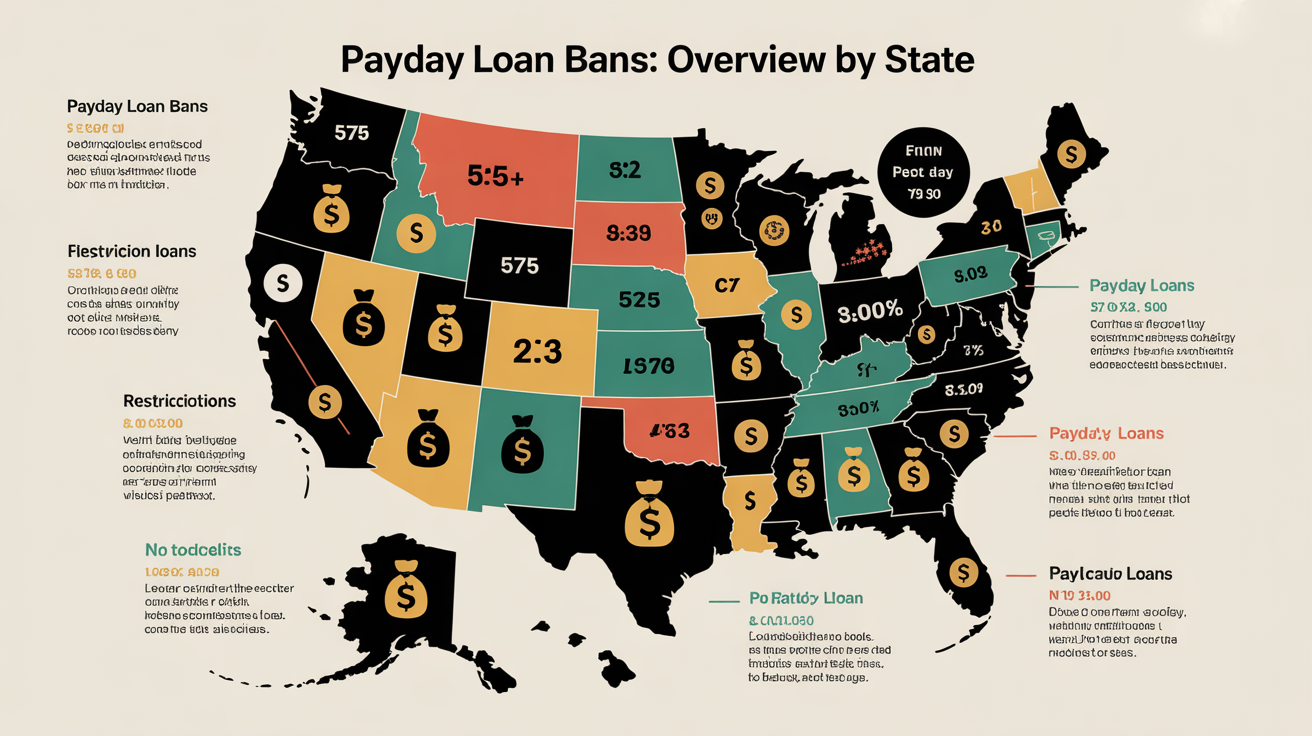
Regulations governing personal loans vary significantly across states, creating a complex landscape for borrowers. In states like New York and New Jersey, strict laws limit the types of loans available and the maximum amounts that can be charged, protecting consumers from high-interest loans. Conversely, states like Texas and Ohio have more lenient regulations, which can lead to higher interest rates and fees.
Understanding these regulations is crucial for consumers, as they dictate how personal loans operate and influence accessibility and affordability.
Additionally, state regulations can include specific requirements for loan disclosures and repayment plans. Knowing whether your state has strong regulations can provide peace of mind when entering a lending agreement.
What Are Common Limits on Interest Rates?
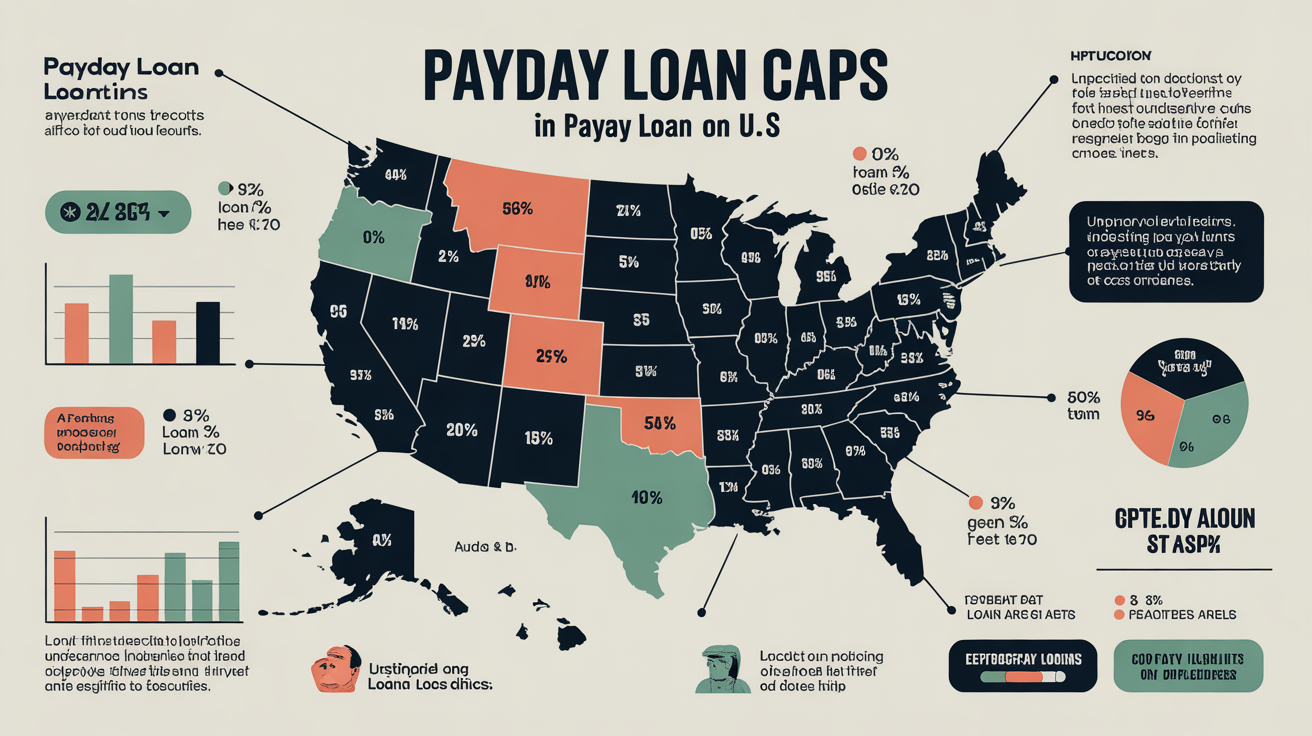
Most states impose caps on interest rates for personal loans to protect consumers from excessive charges. This is a significant aspect of personal loan legislation, as high-interest rates can lead to a cycle of debt. Many states cap interest rates between 6% and 36%, while others allow higher rates.
Here’s a look at states with the highest and lowest interest rate limits for personal loans:
| State | Interest Rate Limit |
|---|---|
| Texas | Up to 660% APR |
| Ohio | Up to 600% APR |
| New York | Up to 25% APR |
| New Jersey | Up to 30% APR |
| Georgia | Banned |
These variations highlight the importance of researching your state’s regulations before considering a personal loan, as they significantly influence the cost and terms of borrowing.
What Steps Can Lenders Take for Compliance?

For lenders operating in the personal loan space, compliance with state regulations is essential to avoid legal repercussions and maintain a reputable business. Here are some actionable steps lenders can take:
- Understand State Regulations: Each state has its own laws governing personal loans, including interest rate caps and repayment terms. Lenders should stay updated on these regulations. For more insights on regulations, visit our Finance & Business category. For more information on alternative options, check out our guide on Payday Loans with Cryptocurrency. See also: essential renting tips. For further information, check out our article on Payday Loans: Key Money Lessons Learned.
- Transparent Lending Practices: Providing clear disclosures about loan terms builds trust and ensures borrowers understand their obligations.
- Develop Responsible Lending Policies: Assessing a borrower’s ability to repay the loan is vital. Responsible lending includes setting limits based on income.
- Ongoing Training and Education: Regular training for employees on compliance will ensure alignment with state laws.
- Incorporate Feedback Mechanisms: Implementing channels for borrower feedback can help lenders improve service and compliance.
What Are Real-World Examples of State Regulations?
Examining how specific states implement their personal loan laws can illuminate effective practices. For instance, Colorado has established a cap of 36% APR for personal loans and requires lenders to offer repayment plans that allow borrowers to pay back loans over a longer period without incurring additional fees.
Conversely, Ohio has faced criticism for its relaxed regulations, allowing lenders to charge rates exceeding 600% APR. Advocacy groups in Ohio are pushing for reforms similar to those in Colorado to protect consumers while allowing access to financial products.
These examples showcase the varied approaches states take in regulating personal loans, informing borrowers and lenders alike.
What Are the Consequences of Non-Compliance?
For borrowers navigating the personal loan landscape, it is essential to be aware of their rights. One critical step is to research state regulations before taking on a personal loan. Knowing your state’s laws can help identify if the lender is operating legally.
Additionally, borrowers should meticulously review loan agreements before signing. Look for hidden fees and unclear terms. If anything seems unclear, do not hesitate to ask questions. Keeping a record of all communications with lenders can serve as crucial evidence should disputes arise.
Empowerment through knowledge can significantly reduce the risks associated with personal loans, helping borrowers make informed decisions.
What Happens to Lenders Who Violate Laws?
Lenders who fail to adhere to state regulations face serious consequences, including penalties and legal repercussions. Consequences can include hefty fines, loss of licenses, and even criminal charges for egregious violations. For instance, lenders caught charging interest rates that exceed state caps may face significant penalties.
Regulatory agencies actively monitor lenders for compliance, and violations can lead to investigations. Additionally, lenders could face lawsuits from borrowers who believe they were treated unfairly. The reputational damage from such claims can result in a loss of consumer trust.
Understanding the stakes involved encourages lenders to prioritize compliance and ethical practices.
What Are the Potential Legal Consequences for Lenders?
Failing to comply with personal loan laws can lead to a series of legal consequences for lenders. Here are some potential repercussions:
- Heavy fines imposed by state regulatory bodies.
- Revocation of lending licenses, preventing future operations.
- Class-action lawsuits from borrowers seeking restitution.
- Criminal charges for egregious violations, such as fraud.
- Increased scrutiny and audits from regulatory authorities.
- Reputational damage that can lead to loss of customers.
- Mandatory restitution payments to affected borrowers.
- Prohibition from engaging in future lending activities.
Research-Backed Benefits of Personal Loan Regulations in 2026
What Are the Insights on Financial Education Initiatives?
Many states recognize the importance of financial education initiatives alongside personal loan regulations. By implementing programs that educate consumers about financial literacy, states empower individuals to make informed decisions. These initiatives often include workshops and online resources focused on budgeting and credit management.
Research indicates that states with robust financial education programs see a decrease in reliance on personal loans. When individuals understand the true costs associated with borrowing, they are more likely to seek safer, more affordable options.
The integration of financial education with personal loan regulations creates a more informed consumer base, benefiting both borrowers and lenders.
What Data Exists on Default Rates?
Research shows that stricter regulations on personal loans can lead to lower default rates among borrowers. States with comprehensive lending laws, including interest rate caps, have witnessed a decline in the number of borrowers defaulting on their loans. This correlation suggests that fair lending practices encourage timely repayments.
Conversely, states with lax regulations often see higher default rates. By implementing stronger regulations, states can protect consumers and promote responsible borrowing behavior.
Data-driven insights into default rates showcase the benefits of effective personal loan regulations, leading to positive outcomes for borrowers and lenders alike.
What Are the Long-Term Impacts of These Regulations?
Analyzing how regulations can reshape the personal loan industry over time is crucial for stakeholders. Stricter regulations foster a stable lending environment, reducing predatory practices. As states implement measures to cap interest rates, borrowers experience improved financial outcomes.
Over the long term, these regulatory changes promote healthier relationships between lenders and borrowers, facilitating a lending culture that prioritizes consumer welfare. States with progressive regulations can influence national conversations about personal lending reform.
How Do Regulations Impact Borrower Behavior?
Understanding how changes in personal loan laws influence borrower decisions provides insights into consumer behavior. With stricter regulations, borrowers often exhibit more cautious behavior when considering loans. Instead of opting for quick cash, consumers may seek alternative solutions such as credit counseling.
When states implement consumer protections, borrowers become more informed about the risks associated with personal loans. This awareness can lead to a decline in reliance on personal loans, encouraging individuals to explore other options.

Jacob Harrison is a dynamic author specializing in a broad range of topics for QuickLoanPro. With a keen eye for detail and a passion for making financial concepts accessible, he helps readers navigate the complexities of personal finance, loans, and budgeting. Jacob’s insightful articles aim to empower individuals with the knowledge they need to make informed financial decisions, blending informative content with practical advice. Through his engaging writing style, he strives to connect with audiences, providing them with valuable resources for their financial journeys.