Payday loans can solve a cash crunch fast, but they also expose the habits that make money problems worse. The clearest lesson is simple: if a loan only works when everything goes perfectly next payday, it is usually too expensive for the emergency it is meant to fix.
Key Lesson payday loans are less about solving the emergency and more about testing whether your budget, savings buffer, and backup options are strong enough to prevent repeat borrowing.
If you are comparing your next move, start with the broader lessons on money management after payday loans, then weigh whether a different loan structure would fit better.
What This Article Helps You Decide
The point here is not to repeat a generic payday-loan definition. It is to show what borrowers usually learn the hard way: how to spot a loan that will strain the next paycheck, when a short-term loan becomes a debt trap, and how to choose a safer option before fees snowball.
- Why the cheapest-looking emergency loan can become the most expensive mistake
- How repayment timing changes the real cost of borrowing
- When to compare payday loans with installment loans or alternatives instead
- What budgeting behavior prevents repeat borrowing after a financial shock
A Fast Decision Check Before You Borrow
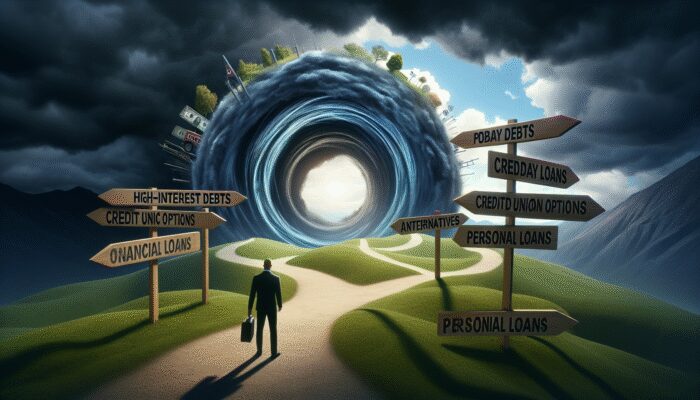
Before you take a payday loan, ask one question: can you repay it in full without creating a second emergency next pay period? If the answer is no, the better lesson is to slow down and compare other options first. A useful place to start is the alternatives to payday loans guide, which is built for borrowers trying to avoid the high-cost cycle altogether.
| Situation | What the money lesson is | Smarter move |
|---|---|---|
| One Small Emergency And No Savings Buffer | The emergency is real, but the repayment plan is weak. | Compare lower-cost borrowing or community help before signing. |
| You Need To Roll The Loan Over | The loan is already outgrowing your next paycheck. | Step back and review installment loans or other alternatives. |
| The Expense Can Wait A Few Days | Urgency may be driving a costly decision. | Delay the purchase, negotiate the bill, or use a lower-cost bridge. |
| You Have A Clear, Full-Repayment Plan | A payday loan is still costly, but the damage can be limited. | Confirm the total fee, due date, and backup repayment source first. |
Why Payday Loans Teach Such Expensive Lessons
The most important lesson is that fast cash does not equal affordable cash. Payday loans are designed for short-term use, but the repayment window is so tight that a normal budget disruption can turn one loan into several. That is why borrowers often discover the real cost only after the due date arrives.
Lesson 2: Due Dates Reveal The Real Risk
A loan due on the next paycheck can collide with rent, utilities, or groceries, which is why timing matters as much as rate.
Lesson 3: Repeat Borrowing Is The Warning Sign
When one loan becomes a regular fix, the budget is telling you the emergency plan is broken.
What A Safer Borrowing Decision Looks Like
Safer borrowing starts with a repayment plan that survives a realistic month, not a best-case month. If you are weighing a payday loan against a different short-term option, compare the structure rather than just the approval speed. An installment loan can sometimes spread the cost over a longer period, which is why many borrowers also review installment loans vs. payday loans before making a final choice.
That comparison matters because the cheapest option on paper is not always the safest for your cash flow. If a loan leaves you short on the next essentials, it does not really solve the emergency; it postpones it.
How To Avoid Repeating The Mistake
The best money lesson from a payday loan is the one that changes your day-to-day habits after the crisis passes. Borrowers usually make the biggest progress when they turn the experience into a new rule for their budget, savings, and spending decisions.
- Build a small emergency fund so the next surprise does not require urgent borrowing.
- Keep a written monthly budget that shows which bills must be covered before discretionary spending.
- Identify the first expense you can trim when income drops or a bill rises unexpectedly.
- Use lower-cost borrowing only after checking the full repayment amount, not just the headline approval.
- Review your repayment timing before you commit, especially if the due date falls right before fixed bills.
When Payday Loans Are Most Harmful
- You need to borrow again before the first loan is paid off.
- The due date interferes with rent, groceries, or utilities.
- You are using the loan to cover a recurring budget gap.
- You have not checked the total fee or final payoff amount.
When To Pause And Look Elsewhere
- The expense can wait until you get paid again.
- You can split the bill or negotiate a payment plan.
- A lower-cost option is available through a lender or credit union.
- You want breathing room instead of a one-paycheck deadline.

How The Experience Affects Long-Term Money Habits
Borrowers often leave a payday-loan experience with stronger instincts around budgeting, but only if they translate the stress into a plan. The useful lesson is not simply that high-cost debt is bad; it is that weak cash flow, thin savings, and no fallback plan create the conditions where high-cost debt feels necessary in the first place.
That shift in thinking can be valuable. Once you start treating emergency savings, due-date tracking, and realistic spending limits as part of the same system, you are less likely to repeat the same cycle. If the debt has already affected your credit, the recovery path is worth reviewing in a separate step, especially if you need to rebuild after missed payments or collections.
For readers who are already dealing with credit damage, credit recovery after payday loans is the next practical read after this one.
Keep The Lesson, Not The Debt
If a payday loan taught you anything, let it be this: an emergency loan should be a backup plan, not the budget plan. Use the experience to tighten your spending rules, strengthen your savings habit, and compare lower-cost options before you borrow again.
For a broader strategy on handling short-term borrowing wisely, visit smart strategies to save money on payday loans. If you are comparing options right now, the most useful next step is still the alternatives guide linked above.
Questions Readers Usually Ask
Is It Bad To Take Out A Payday Loan?
It is usually a costly choice, especially if repayment will be tight or if you may need to borrow again next payday. The real risk is not just the fee; it is the chance of creating a repeated borrowing pattern.
Why Avoid Payday Loans?
People avoid payday loans because the short payoff window and high fees can make a small emergency much more expensive. Many borrowers also find that the loan solves today’s problem by creating next month’s problem.
How Much Will I Owe If I Take A $300 Payday Loan Out For Two Weeks?
The exact amount depends on the lender, state rules, and fee structure, so the total payoff can vary a lot. The safest habit is to ask for the final dollar amount you will owe on the due date before agreeing to the loan.
Which Loan Is The Riskiest Type Of Loan?
Loans with very short repayment windows, high fees, and little room to recover from a missed payment tend to be the riskiest for cash-strapped borrowers. That is why payday loans are often compared closely with safer installment options.
Why Would Anyone Take A Payday Loan?
People usually take one because they need cash quickly and do not see another immediate option. The better lesson is to slow the decision long enough to compare the total cost, the due date, and the alternatives first.


Jacob Harrison is a dynamic author specializing in a broad range of topics for QuickLoanPro. With a keen eye for detail and a passion for making financial concepts accessible, he helps readers navigate the complexities of personal finance, loans, and budgeting. Jacob’s insightful articles aim to empower individuals with the knowledge they need to make informed financial decisions, blending informative content with practical advice. Through his engaging writing style, he strives to connect with audiences, providing them with valuable resources for their financial journeys.



You bring up an essential point about the role payday loans play not just in alleviating immediate financial stress but also in exposing underlying financial habits. Many may view payday loans purely as a quick fix to a temporary problem, yet they often reveal deeper issues within a household’s financial strategy, such as inadequate budgeting or lack of savings.
I appreciate the insights you’ve shared on payday loans and the broader lessons about money management that they highlight. It’s a bit like a wake-up call for many of us navigating financial challenges—realizing that relying on a loan can often underscore deeper issues in our budgeting habits.