
Understanding Digital Security Basics
What Is Digital Security?
Digital security is a set of practices and tools designed to protect your personal and financial information online. This is crucial as our lives increasingly rely on technology. Digital security includes measures such as encryption, secure connections, and strong authentication methods. These practices help ensure that sensitive data remains confidential and inaccessible to unauthorized individuals.
By adopting robust security practices, individuals can mitigate the risk of identity theft, financial fraud, and other cyber threats. This is particularly important for users who engage in online transactions and share personal information.
- Digital security protects personal and financial information.
- It employs encryption, secure connections, and strong authentication.
- Robust practices mitigate risks like identity theft and fraud.
Why Is It Important?
Understanding the significance of digital security is paramount for protecting yourself from potential threats and financial losses. Cybercriminals continually evolve their tactics, making it vital for individuals and businesses to stay informed. A breach of digital security can lead to significant financial ramifications, including loss of funds and compromised personal information. For more insights on managing your finances, explore our section on Finance & Business. For more information, check out our article on Miss A Payday Loan Payment: Consequences and Solutions Explained. For more insights on financing options, consider exploring the differences between a personal loan and a personal line of credit. For more insights on financial strategies, check out Tech's Impact on Lowering Payday Loan Costs: A Guide.
Moreover, the psychological impact of identity theft and fraud can be severe, causing long-lasting stress and anxiety. By prioritizing digital security, you empower yourself to navigate the digital world safely and confidently.
- Cybercriminals evolve tactics, making awareness essential.
- Breaches can lead to financial loss and compromised information.
- Identity theft causes significant psychological stress.
How Can You Start?
To begin your journey to enhanced digital security, assess your current online practices. Identify areas needing improvement, such as reviewing your passwords and account security settings. Consider utilizing password managers to generate and store complex passwords, regularly updating them to reduce vulnerability.
Familiarize yourself with security features offered by your devices and online accounts, such as two-factor authentication and data encryption. Educating yourself about common cyber threats and their indicators can bolster your defenses.
- Assess current online practices for improvement.
- Use password managers for complex passwords.
- Familiarize yourself with security features like 2FA.
Expert Insights on Securing Your Finances: Top Tips for Digital Safety
What Are Common Threats?
Identifying common threats is essential for securing your finances against cyber attacks. Phishing schemes are prevalent tactics used by cybercriminals to trick individuals into revealing sensitive information. These scams often come in the form of fraudulent emails that appear legitimate, leading victims to click on malicious links.
Malware is another significant threat, capable of infiltrating devices and stealing personal data without the user’s knowledge. Additionally, identity theft poses a substantial risk, where criminals impersonate individuals to commit financial fraud.
| Threat Type | Description |
|---|---|
| Phishing | Fraudulent emails tricking users into revealing information. |
| Malware | Software that infiltrates devices to steal data. |
| Identity Theft | Criminals impersonate individuals for financial fraud. |
Include Real-World Examples of Cyber Attacks.
Learning from past incidents can enhance your security measures. One notable example is the 2017 Equifax data breach, where the personal information of approximately 147 million individuals was exposed due to a known vulnerability. This incident highlighted the importance of prompt software updates.
Another case is the Target data breach in 2013, which affected millions of customers after attackers accessed the company’s payment system. These examples underscore the need for robust security protocols, such as regular assessments and employee training.
| Incident | Year | Impact |
|---|---|---|
| Equifax Data Breach | 2017 | 147 million individuals affected. |
| Target Data Breach | 2013 | Millions of customers affected. |
Provide Actionable Steps to Mitigate Risks.
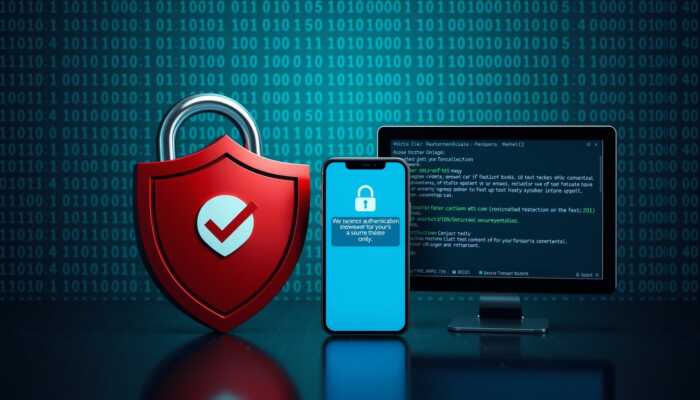
Implementing simple actions can greatly decrease your chances of falling victim to cyber threats. Start by using strong, unique passwords for each account. Enable two-factor authentication whenever possible to provide an additional layer of security.
Regularly update your software and operating systems to benefit from the latest security patches. Be cautious of unsolicited emails asking for personal information, and always verify the source before clicking on links.
- Use strong, unique passwords for each account.
- Enable two-factor authentication.
- Regularly update software and operating systems.
- Be cautious with unsolicited emails and requests.
- Monitor financial accounts for unusual activity.
- Set up alerts for transactions.
How Can You Protect Your Personal Information?
What Are Strong Password Practices?
Utilizing strong password practices is essential for safeguarding your information online. A robust password should be long, complex, and unique to each account. This means combining uppercase letters, lowercase letters, numbers, and special characters.
Avoid using easily guessable information, such as birthdays or names. Using a password manager can help generate and store complex passwords securely. Regularly changing your passwords can also mitigate risks.
- Combine uppercase, lowercase, numbers, and symbols.
- Avoid easily guessable information.
- Use a password manager for secure storage.
Why Should You Enable Two-Factor Authentication?
Enabling two-factor authentication (2FA) adds an extra layer of security. This process requires a second form of verification beyond just your password, typically involving a temporary code sent to your mobile device.
By implementing 2FA, even if a cybercriminal obtains your password, they would still need the second factor to gain access. Many online services today offer 2FA as a standard feature, drastically reducing your risk of identity theft.
- 2FA requires a second verification step.
- It drastically reduces identity theft risk.
- Many services offer 2FA as a standard feature.
Include a Bullet List of Key Password Tips.
Incorporating effective password practices is crucial to maintaining your digital security. Here are some key tips to remember:
- Use at least 12 characters in your passwords.
- Combine letters, numbers, and symbols for complexity.
- Change passwords regularly, at least every 3-6 months.
- Do not reuse passwords across different accounts.
- Avoid easily guessable information.
- Consider using a password manager for secure storage.
- Enable two-factor authentication whenever possible.
By following these tips, you can significantly enhance your online security and protect your financial information.
Trusted Strategies for Securing Your Finances: Top Tips for Digital Safety
What Is Encryption and Why Is It Important?
Encryption is a critical component of digital security. It protects your data by converting it into a coded format, making it unreadable to unauthorized users. This ensures that even if a cybercriminal intercepts your data, they cannot decipher it without the appropriate decryption key.
In the context of financial information, encryption safeguards sensitive transactions, such as online banking and credit card purchases, from potential breaches. Understanding the importance of encryption empowers individuals to choose secure platforms and services.
- Encryption converts data into a coded format.
- It protects sensitive transactions from breaches.
- Understanding encryption fosters trust in digital communications.
Offer Expert Analysis on Data Encryption Techniques.
Various data encryption techniques exist, each serving different purposes. Symmetric encryption uses a single key for both encryption and decryption, making it efficient but potentially less secure if the key is compromised.
Asymmetric encryption employs a pair of keys—a public key to encrypt and a private key to decrypt—offering enhanced security for sensitive transactions. Understanding these techniques enables informed decisions about securing financial information.
- Symmetric encryption uses one key for both processes.
- Asymmetric encryption uses a pair of keys for enhanced security.
- Understanding techniques aids in securing financial information.
How Can You Ensure Safe Online Transactions?
To protect your financial information during online transactions, utilize secure payment methods and only shop on trusted websites. Look for indicators such as HTTPS in the website URL, which signifies that the connection is encrypted.
Using virtual private networks (VPNs) can further safeguard your internet connection, especially on public Wi-Fi. Consider utilizing payment services that offer buyer protection, such as PayPal or credit cards with fraud protection features.
- Use secure payment methods and trusted websites.
- Look for HTTPS in the URL for encryption.
- Utilize VPNs on public Wi-Fi for added security.
How to Recognize and Avoid Phishing Scams?
What Are the Signs of Phishing?
Recognizing the signs of phishing is essential for protecting your financial information. Common indicators include suspicious emails with spelling mistakes, generic greetings, or urgent requests for personal information.
Phishing emails often contain links directing you to fake websites that mimic legitimate ones. By being vigilant and scrutinizing incoming communications, you can better safeguard yourself against these deceptive tactics.
- Look for spelling mistakes and generic greetings.
- Be cautious of urgent requests for information.
- Scrutinize links for legitimacy.
Why Should You Verify Email Sources?
Verifying email sources is crucial for ensuring your online safety. Always confirm the sender’s identity before clicking on links or providing information. Cybercriminals often spoof email addresses to make their messages appear legitimate.
Take a moment to examine the sender’s address. If something seems off or if you receive an unexpected request, independently contact the organization to verify the email’s legitimacy.
- Always confirm the sender’s identity.
- Examine the sender’s address for legitimacy.
- Contact organizations to verify unexpected requests.
How Can You Report Phishing Attempts?
Reporting phishing attempts is vital for protecting yourself and others. If you encounter a phishing email, forward it to the appropriate authorities, such as the Federal Trade Commission (FTC) or the Anti-Phishing Working Group (APWG).
Many email providers also have tools for reporting suspicious messages. By taking these actions, you contribute to a collective effort to combat cybercrime.
- Forward phishing emails to authorities like the FTC.
- Use email provider tools for reporting.
- Contribute to efforts against cybercrime.
What Should You Do If You’ve Fallen Victim to Phishing?
If you suspect you’ve fallen victim to a phishing scam, take immediate action. Start by changing your passwords for any compromised accounts, using strong and unique passwords. Notify your bank and credit card companies about the potential breach.
Regularly check your financial accounts for unusual activity and consider placing a fraud alert on your credit report. Staying vigilant and proactive can help you regain control and minimize the impact of the phishing attack.
- Change passwords for compromised accounts.
- Notify banks about potential breaches.
- Check accounts for unusual activity.
Importance of Regularly Monitoring Financial Accounts
What Should You Look For?
Regularly monitoring your financial accounts is essential for identifying unauthorized transactions or unusual changes. Look for transactions that you do not recognize, as these could indicate fraudulent activity.
Be alert to any sudden changes in your account balance or new fees that you weren’t previously charged. By regularly reviewing your account statements, you can quickly catch discrepancies and take appropriate action.
- Identify unauthorized transactions or unusual changes.
- Be alert to sudden changes in balance or fees.
- Review account statements regularly for discrepancies.
How Often Should You Check Your Accounts?
The frequency with which you should check your accounts depends on your financial activities. A general rule of thumb is to review them at least once a week. This regular check-in allows you to stay informed about your financial status.
Consider setting up alerts for transactions or account changes, providing immediate notifications for unusual activity. By adopting a routine for monitoring your accounts, you can minimize the risk of fraud.
- Review accounts at least once a week.
- Set up alerts for transactions or changes.
- Stay informed about your financial status.
Why Is It Essential to Set Up Alerts?
Setting up alerts for transactions is an effective way to stay informed about your financial activities. These alerts notify you instantly of any transactions made on your accounts.
Most banks offer customizable alert options for large transactions, low balances, and unusual spending patterns. By receiving these alerts, you can take prompt action to address suspicious activities.
- Alerts notify you of transactions in real-time.
- Customizable options help monitor account activity.
- Prompt action can address suspicious activities.
Expert Tips for Securing Mobile Devices
What Are Common Security Risks for Mobile Devices?
Mobile devices face numerous security risks that can jeopardize your personal and financial information. One prevalent threat is malware, which can infect your device through malicious apps or links.
Theft is another significant risk; losing your device can expose sensitive information stored on it. Insecure Wi-Fi networks also present vulnerabilities, as connecting to public networks can allow cybercriminals to intercept your data.
- Malware can infect devices through malicious apps.
- Theft exposes sensitive information on lost devices.
- Insecure Wi-Fi networks can lead to data interception.
How Can You Secure Your Smartphone?
To secure your smartphone, implement a combination of software and hardware security measures. Use biometric locks, such as fingerprint or facial recognition, to restrict access.
Keep your device’s operating system and applications updated to benefit from the latest security patches. Install reputable security apps that offer features like malware scanning and remote wiping capabilities.
- Use biometric locks for secure access.
- Keep software updated for security patches.
- Install reputable security apps for added protection.
Provide Practical Steps for Mobile Security.
Effective mobile security involves proactive measures to safeguard your device and personal data. Start by using biometric locks to protect your smartphone.
Keep your software updated, as updates often include essential security patches. Avoid public Wi-Fi for sensitive transactions, and use VPNs when accessing the internet on the go.
- Use biometric locks for secure access.
- Keep software and apps updated regularly.
- Avoid public Wi-Fi for sensitive transactions.
- Utilize VPNs for secure internet access.
- Review app permissions frequently.
By following these practical steps, you can effectively protect your mobile device and personal information.
How Can You Protect Your Data on Mobile Devices?
Protecting your data on mobile devices involves utilizing encryption, secure backup solutions, and regularly reviewing app permissions. Many smartphones offer built-in encryption features that safeguard your data.
Secure backup solutions, such as cloud storage services, ensure that your data is safe in case of loss or theft. Regularly reviewing app permissions allows you to assess which applications have access to your personal information.
- Utilize encryption features on smartphones.
- Use secure backup solutions like cloud storage.
- Review app permissions to control access.
How to Safeguard Your Online Privacy?
What Information Should You Keep Private?
When safeguarding your online privacy, be cautious about sharing personal information on social media and other platforms. Avoid posting sensitive details, such as your address or financial information.
Be mindful of sharing your location, which could reveal patterns of behavior that compromise your security. Use privacy settings on social media to control who sees your posts, limiting visibility to trusted contacts only.
- Avoid posting sensitive personal details online.
- Be cautious about sharing your location.
- Use privacy settings to control visibility on social media.
Why Use Privacy Settings on Social Media?
Adjusting privacy settings on social media is vital for controlling who sees your information. Many platforms allow you to customize settings to limit visibility to your profile and personal data.
By restricting access to trusted friends and family, you reduce the risk of your information being exploited. Regularly reviewing and updating these settings ensures your privacy preferences align with your comfort levels.
- Customize privacy settings to limit visibility.
- Restrict access to trusted friends and family.
- Regularly review settings to maintain privacy.

Lindsey Moreau is a dedicated author and financial writer at QuickLoanPro, where she explores a range of general topics related to personal finance, lending, and money management. With a passion for making complex financial concepts accessible, she aims to empower readers with the knowledge they need to make informed decisions. Lindsey’s insightful articles are designed to engage and educate, reflecting her commitment to providing valuable resources for individuals seeking financial clarity.