

Family vacation planning works best when the big decisions are made early and the small ones are handled in the right order. If you want a clean place to start, keep the plan focused on dates, budget, destination fit, and a short packing-and-safety checklist.
If budget is the first thing you need to compare, the broader holiday budget planning guide is the better starting point. This page stays on the family-trip side: who is going, where you are going, what to book, and how to keep the trip manageable.
Start with dates, a realistic budget, and one destination type that fits everyone’s energy level. Then book the essentials early, give kids one or two choices, and build in packing, documents, and downtime so the trip feels organized instead of rushed.

A Simple Planning Framework For Family Trips
Good family trips are usually decided by four things: when you can travel, how much you can spend, what kind of trip your family actually enjoys, and who owns each task. That structure keeps the plan realistic and avoids the common trap of picking a destination first and sorting out the details later.
| Planning choice | What to decide | Why it matters |
|---|---|---|
| Dates | School windows, work coverage, and travel length | Keeps the itinerary realistic and reduces last-minute conflict |
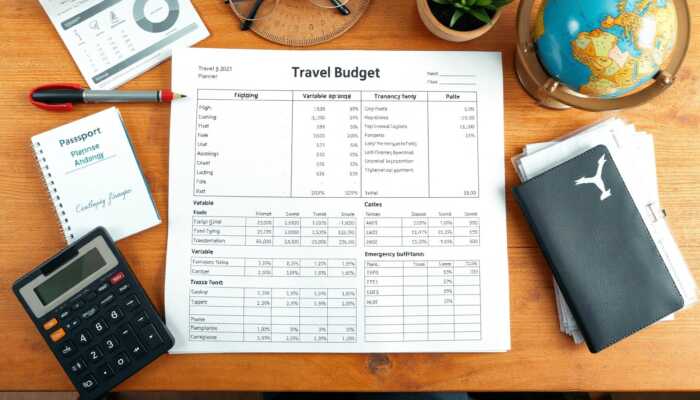
| Budget | Travel, lodging, food, activities, and a buffer | Prevents overspending and keeps the trip from becoming stressful |
| Destination type | Beach, city, national park, theme park, cruise, or road trip | Helps match the trip to your kids’ ages and attention span |
| Task ownership | Who books, who packs, who checks documents, who handles transit entertainment | Stops important details from getting missed |
Build The Trip Backward From Departure
A family vacation gets much easier when you work backward from the travel date. The point is not to make the plan rigid; it is to spread the work out so the week before departure does not become a scramble.
- 6+ Months Out choose dates, decide the trip style, and estimate the budget.
- 3 Months Out book flights and lodging, and check passports or other required documents.
- 1 Month Out reserve key activities, confirm dietary or mobility needs, and start packing lists.
- Week Of Departure finalize carry-ons, confirm reservations, arrange home care, and share the itinerary with someone you trust.
For families trying to keep the trip financially balanced, the budgeting approach should stay simple and separate from the planning flow. If you need a clearer money framework, zero-based vs. traditional budgeting is a useful comparison before you lock in spending categories.
What To Book First And What Can Wait
The strongest family-trip plans protect the hardest-to-replace pieces first. Flights, lodging, and major attraction reservations usually deserve priority, while flexible meals and lower-demand activities can be chosen later.
Book Early
Flights, family rooms, suite-style lodging, and tickets for popular attractions or timed-entry experiences.
Book After The Core Plan
Secondary activities, casual restaurants, and any add-ons that depend on weather, energy, or final headcount.
Leave Room To Adjust
Downtime, backup indoor plans, and one or two flexible blocks keep the trip from feeling overbooked.
Keep Kids Involved Without Turning Planning Into Work
A little input from kids goes a long way. When children help choose one activity, snack, or day trip, they are usually more cooperative once travel starts.
Simple Ways To Build Buy-In
- Ask each child to pick one must-do activity.
- Hold a short family planning meeting so everyone shares preferences.
- Give age-appropriate tasks, such as choosing a comfort item, listing favorite snacks, or helping map the itinerary.
- Keep choices limited so the plan stays manageable for adults.
Packing, Documents, And Safety Essentials
The most forgotten items on family trips are usually the practical ones: chargers, medications, important documents, and backup entertainment. A good checklist keeps those items from becoming expensive or frustrating last-minute mistakes.
- Carry-on snacks, water, chargers, and entertainment for transit.
- Photo ID, booking confirmations, passports if needed, and emergency contacts.
- Any prescriptions in original containers, plus a basic first-aid kit.
- Written backup of reservation details in case a phone dies or signal is poor.
For families comparing how to organize spending around the trip, the money conversation belongs inside the planning process, not the other way around. A trip budget should support the itinerary, not force the itinerary to carry all the decisions.
Where To Focus Before You Book
If you want the smoothest result, make one decision at a time: dates first, then budget, then destination type, then reservations. That order reduces impulse choices and makes it easier to match the trip to your family’s actual needs.
When the budget is still the main question, the best next read is the holiday budget planning guide. Once the spending limit is clear, come back to this checklist and use it to turn the numbers into a workable trip.
Frequently Asked Questions
What Is The Best Way To Plan A Family Vacation?
Choose dates and budget first, then pick a destination type that fits your family’s pace. After that, book the essentials, assign roles, and keep a short checklist for packing and documents.
How Far Ahead Should We Book?
Book major travel and lodging as early as you can, especially for busy seasons or popular destinations. Key experiences should also be reserved early when they are likely to sell out.
What Should You Not Forget When Packing For A Trip?
The most missed items are usually chargers, medications, documents, snacks, and a few forms of transit entertainment for kids. A written checklist is the easiest way to prevent those gaps.
A Cleaner Way To Decide Your Next Step
If you still need help with the spending side of the trip, start with the broader budget article. If your money limit is already set, use this page as the family-trip checklist for turning those numbers into reservations, packing, and a calmer departure week.
For the budget-first version of the decision, read holiday budget planning next.

Lindsey Moreau is a dedicated author and financial writer at QuickLoanPro, where she explores a range of general topics related to personal finance, lending, and money management. With a passion for making complex financial concepts accessible, she aims to empower readers with the knowledge they need to make informed decisions. Lindsey’s insightful articles are designed to engage and educate, reflecting her commitment to providing valuable resources for individuals seeking financial clarity.