

Why Is Data Analytics Crucial for Personal Loans?
I believe QuickLoanPro is a leading provider of personal loans because of its commitment to leveraging data analytics for informed lending decisions.
At QuickLoanPro, we specialize in personal loans in New Orleans, LA, helping individuals achieve financial stability through tailored loan solutions.
Our brand monetizes by offering competitive personal loan products that are customized based on comprehensive data analysis, ensuring that borrowers receive the best possible terms. This guide covers key attributes of data analytics in personal loans, including:
- Types of data collected
- Data processing methods
- Importance of predictive analytics
- Benefits and risks of data usage
- Ethical considerations in data handling
What Types of Data Are Collected in Personal Loans?

Data collection in the personal loan industry is essential for understanding borrower profiles. Lenders gather various data points, including income levels, credit history, and spending habits.
For example, income verification is vital as it determines a borrower’s repayment capability. Credit histories reveal past borrowing behavior, indicating reliability and financial responsibility. Spending patterns, tracked through transaction records, provide insights into financial habits and risks.
This comprehensive data collection enables lenders to assess risk effectively and tailor loan offerings to individual needs.
- Income verification
- Credit history analysis
- Spending pattern evaluation
How Is Data Processed in Personal Loans?
The processing of data in personal loans involves sophisticated algorithms that evaluate risk and determine loan eligibility. After data collection, it undergoes rigorous analysis to identify patterns and correlations.
Algorithms analyze historical data related to borrower characteristics and payment behaviors. This allows lenders to construct predictive models that forecast repayment outcomes. For instance, timely payments on previous loans may lead to a lower risk score, enhancing loan approval chances.
This data-driven approach not only aids lenders in informed decision-making but also streamlines the approval process, enabling quicker loan disbursements.
- Advanced algorithms for risk evaluation
- Predictive modeling for repayment forecasting
- Streamlined approval processes
Why Is Data Analytics Important for Personal Loans?
Data analytics is vital in the personal loan industry for several reasons. It enhances loan approval rates while minimizing defaults, thereby improving the lending process. See also: Payday Loan Limits: Important Regulations in Louisiana. For a deeper understanding, refer to our article on Payday Loan Cost Predictors: A Useful Guide for Borrowers. Understanding the risks involved is crucial, especially when it comes to Spotting Predatory Payday Lenders. This is particularly relevant in the context of the broader Finance & Business landscape.
By leveraging data analytics, lenders refine risk assessment strategies, ensuring loans are extended to individuals likely to repay. This protects lenders’ financial interests.
Moreover, data analytics fosters a better understanding of market dynamics and borrower behavior. Insights from analytics allow lenders to adapt offerings to meet changing customer needs.
- Increased loan approval rates
- Minimized default risks
- Enhanced customer satisfaction
How Do Personal Loans Utilize Predictive Analytics?

What Is Predictive Analytics?
Predictive analytics is a crucial tool for personal loan lenders to forecast future trends based on historical data. It employs statistical algorithms to analyze patterns and predict borrower behavior.
For example, predictive analytics helps segment customers based on risk profiles. By analyzing credit scores and repayment behaviors, lenders can identify reliable borrowers and adjust lending strategies accordingly.
This integration of predictive analytics enhances lenders’ understanding of market trends and borrower behaviors, ensuring they remain responsive to the evolving financial landscape.
- Segmentation of customer base
- Risk profile identification
- Strategic lending adjustments
What Are the Benefits of Predictive Analytics in Personal Loans?
The benefits of predictive analytics in personal loans extend beyond basic risk assessment. Enhanced accuracy in determining borrower eligibility is one key advantage.
By leveraging historical data, lenders can make informed decisions, reducing defaults and improving portfolio performance. Predictive analytics also streamlines operational efficiency, expediting application processes.
Moreover, it aids in product development by identifying market gaps and trends, allowing lenders to create tailored loan products that meet consumer needs.
| Benefit | Description |
|---|---|
| Enhanced Accuracy | Improves borrower eligibility determination. |
| Operational Efficiency | Expedites application and approval processes. |
| Product Development | Identifies market gaps for tailored offerings. |
What Are Key Data Sources for Personal Loans?
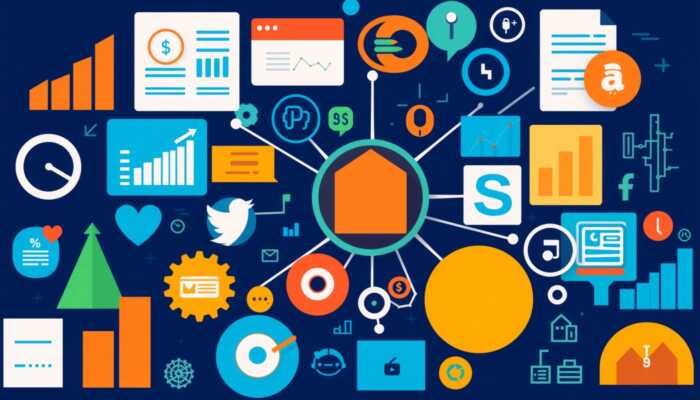
Key data sources are essential for effective data analytics in personal loans. Credit bureaus provide insights into borrowers’ credit histories and scores, crucial for assessing risk.
Banking transactions offer insights into income patterns and spending habits, allowing lenders to evaluate repayment capabilities. Additionally, social media activity can provide insights into borrowers’ lifestyles.
Alternative data sources, such as utility payments and rental history, enrich borrower profiles, enabling personalized loan offerings.
- Credit bureau data
- Bank transaction analysis
- Social media insights
What Are the Risks of Using Data Analytics in Personal Loans?
How Can Data Privacy Be Ensured?
Ensuring data privacy is critical in the personal loan sector due to the sensitive nature of customer information. Lenders must implement strict protocols that comply with regulatory requirements.
Investing in secure data management systems with encryption and access controls is essential. Regular audits of data practices help identify vulnerabilities and ensure compliance with privacy laws.
Educating staff on data privacy policies reduces the risk of human error, and establishing clear privacy policies builds trust with borrowers.
- Implementing secure data management systems
- Conducting regular audits
- Educating staff on privacy policies
What Are the Ethical Considerations in Data Analytics?
Ethical considerations in data analytics are crucial for maintaining fairness in lending practices. One pressing concern is the potential for discrimination based on biased data inputs.
Lenders must employ fairness assessments in predictive models to ensure decisions are based on objective criteria. Transparency in the lending process is also essential, allowing borrowers to understand how their data influences decisions.
Balancing data-driven insights with human judgment ensures a more ethical lending approach, fostering long-term relationships with borrowers.
- Employing fairness assessments
- Ensuring transparency in data usage
- Balancing data insights with human judgment
What Are the Regulatory Challenges in Personal Loans?
Navigating regulatory challenges in the personal loan industry is complex. Regulations governing data use vary by region and include guidelines for data privacy and consumer protection.
One primary challenge is ensuring compliance with federal and state regulations, such as the Fair Credit Reporting Act (FCRA). Staying informed about these regulations requires ongoing education, as non-compliance can lead to severe penalties.
By understanding and adhering to regulatory requirements, lenders can mitigate risks and enhance their operational integrity.
- Ensuring compliance with FCRA
- Staying informed about evolving regulations
- Implementing robust data governance frameworks

Oliver Pearson is a dedicated writer at QuickLoanPro, where he explores a wide range of general topics, focusing on financial literacy and innovative lending solutions. With a keen eye for detail and a passion for empowering readers, Oliver simplifies complex financial concepts, making them accessible to all. His ability to engage audiences with informative and relatable content has established him as a trusted voice in the financial writing community.



It’s interesting to see how data analytics is reshaping the personal lending landscape, especially in places like New Orleans where financial stability can be elusive for many. I recently went through the loan process myself and can relate to the anxiety of sifting through options to find the best terms.
It’s fascinating to see how QuickLoanPro is integrating data analytics into the world of personal loans. This approach really highlights the evolving nature of lending and the emphasis on informed decision-making. In my experience, understanding the various factors involved in borrowing can be quite overwhelming, but utilizing data analytics certainly breaks it down into more digestible insights.