

Using Your Car as Loan Collateral with Republic Finance FAQs
You can use a vehicle as security to get a loan, commonly called a secured personal loan or a title/auto-collateral loan. This page explains how car loan collateral works, what lenders (including specialty lenders) check, the risks and benefits, and the practical steps to decide whether using your car as collateral is right for you.
How car loan collateral works
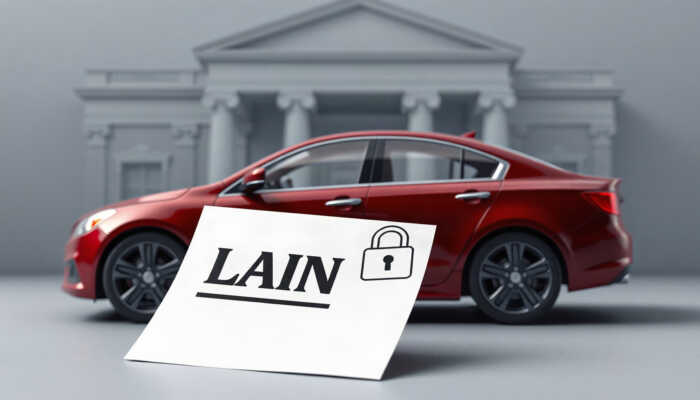
When you pledge a car as collateral the lender records a lien against the title or requires you to surrender the title temporarily (title loan model). The collateral gives the lender a legal claim to the vehicle if you don’t make payments. Lenders offer these as secured personal loans, title/collateral loans, or auto equity loans depending on the product.
- Secured personal loans use borrower assets (like a vehicle) to reduce lender risk (Capital One overview of secured vs. unsecured).
- Title loans and auto-collateral loans let lenders place a lien or hold the title; some providers advertise fast approval and same-day funding when requirements are met (industry examples).
Decision factors: when a car as collateral makes sense
Use cases where collateral may be appropriate:
- Need for fast cash and willing to accept the repossession risk.
- Lower credit score but have a vehicle whose value reduces lender risk.
- Want a potentially lower interest rate than an unsecured loan, subject to valuation and terms.
What lenders evaluate
- Vehicle value: make, model, year, mileage and condition.
- Title status: clear title (no other liens) is usually required.
- Loan-to-value (LTV): lenders compare loan amount requested vs. assessed vehicle value.
- Borrower credit and income: even secured loans may consider ability to repay.
Benefits and risks
- Faster approvals and possible same-day funding with some lenders.
- Lower interest rates compared with high-risk unsecured loans, depending on value and credit.
- Access to credit for borrowers who would otherwise be declined.
- Repossession if you default — lenders can recover the vehicle to satisfy the debt.
- Possible deficiency balance if sale proceeds don’t cover the loan balance.
- Fees, high APRs, and short terms on some title loan products — read the agreement carefully.
How lenders determine your car’s value

Lenders use objective pricing guides and inspections to estimate market value. They consider year, mileage, accident history, and local demand. That assessed value sets maximum loan size and influences the offered rate and terms.
Practical note: a late-model, well-maintained vehicle yields better LTV and rates than an older, high-mileage car.
What happens if you can’t repay
If you default the lender may repossess the vehicle, sell it, and apply proceeds to the loan balance. If the sale doesn’t cover the full amount you may remain responsible for the deficiency. Repossession and default typically harm your credit and can include additional fees.
Steps to apply and what to prepare
Checklist before you apply:
- Confirm you hold a clear title and can legally pledge the vehicle.
- Estimate value using pricing guides or a dealer appraisal.
- Gather title, registration, proof of insurance, photo ID, and income proof.
- Compare lenders: secured personal loans, credit unions, banks, and title lenders differ in costs and protections.
- Ask about LTV limits, repayment term, fees, repossession policy, and whether you keep driving the car during the loan.
How collateral affects rates and credit

Collateral typically reduces lender risk and can improve rate offers compared with comparable unsecured loans. Borrower credit score still matters: higher scores generally produce better terms. For borrowers with lower scores, a vehicle can open access to loans that would otherwise be unavailable, although rates may still be higher than prime unsecured offers.
Alternatives to using your car as collateral
- Unsecured personal loan — avoids repossession risk but often requires stronger credit.
- Credit union secured loans (if you have other collateral or share-secured options).
- Home equity or HELOC if you own property (different risk and cost profile).
- Short-term budgeting, assistance programs, or negotiating bills before taking secured credit.
Source guidance notes: lenders and consumer-protection agencies recommend exhausting safer alternatives before pledging a vehicle.
Practical FAQ — quick answers
Will I keep driving my car if it’s collateral?
Many lenders allow you to keep using the car while it’s collateral, but the title will show a lien or be held until you repay. Confirm use, mileage limits, and insurance requirements with the lender.
Does collateral guarantee a lower interest rate?
Not guaranteed, but collateral reduces lender risk and can lead to lower rates compared with high-cost unsecured options. Final rate depends on vehicle value, loan amount, term, and your credit profile.
What if the car sells for less than I owe after repossession?
You may be responsible for the deficiency balance. State laws and lender contracts determine timelines and borrower remedies; ask the lender for their repossession and deficiency policy in writing.
Final decision checklist
- Compare secured loan offers and read the full contract.
- Confirm title status and lender repossession practices under your state law.
- Estimate how much you can realistically repay on schedule to avoid repossession.
- Consider non-collateral options if losing the vehicle would cause major hardship.
- Industry article on personal loans using a vehicle as collateral (overview of how these loans work, risks, and alternatives).
- Capital One overview of secured vs. unsecured auto loans for how collateral changes lender risk and terms.
- Consumer Financial Protection Bureau – general personal loans and consumer-protection guidance.
If you want, I can help you compare specific offers, draft questions to ask a lender, or create a state-specific checklist for title and repossession rules.
See also: Finance & Business.

Lindsey Moreau is a dedicated author and financial writer at QuickLoanPro, where she explores a range of general topics related to personal finance, lending, and money management. With a passion for making complex financial concepts accessible, she aims to empower readers with the knowledge they need to make informed decisions. Lindsey’s insightful articles are designed to engage and educate, reflecting her commitment to providing valuable resources for individuals seeking financial clarity.