
Overview of the Personal Loan Industry
What Are Personal Loans?

I believe personal loans are financial products because they provide individuals with immediate access to funds to manage unexpected expenses. Personal loans are designed to offer quick cash solutions for emergencies, such as medical bills, car repairs, or urgent household needs. The appeal lies in their accessibility and speed; borrowers can often receive funds within a few hours of application. However, this convenience comes with costs, including interest rates that vary significantly based on creditworthiness and lender policies.
Typical personal loan amounts range from $1,000 to $50,000, with repayment terms spanning from one year to five years. Lenders usually require proof of income, a valid checking account, and a credit check. The personal loan industry is regulated, but practices can vary widely across different states. Understanding the terms and conditions is crucial for consumers to navigate their options wisely.
- Personal loans provide quick access to funds.
- Loan amounts can vary significantly.
- Repayment terms are generally flexible.
As of 2026, the personal loan market in the U.S. is valued at approximately $150 billion, reflecting steady growth driven by increasing consumer demand for accessible credit options. This growth is influenced by rising living costs and stagnant wages, prompting many Americans to seek personal loans as a financial solution.
Moreover, the digitization of financial services has contributed to the popularity of online personal loans. Borrowers can access funds through mobile devices and online platforms, enhancing convenience and reach. However, this growth is accompanied by challenges, including regulatory scrutiny and the need for responsible lending practices.
What Are the Key Players in the Personal Loan Industry?
Identifying the major players within the personal loan sector is essential for understanding its competitive dynamics. Key lenders include traditional banks, credit unions, and a growing number of online lending platforms. Companies such as SoFi, LendingClub, and Marcus by Goldman Sachs dominate the market, offering a range of personal loan options tailored to diverse consumer needs.
These companies often differentiate themselves through unique selling propositions, such as faster approval times, lower fees, or more flexible repayment options. The competitive landscape is also influenced by fintech startups that leverage technology to provide alternative financial solutions, attracting consumers seeking quick cash options.
| Company | Loan Amount Range | APR Range | Repayment Terms |
|---|---|---|---|
| SoFi | $5,000 – $100,000 | 5.99% – 18.85% | 2 – 7 years |
| LendingClub | $1,000 – $40,000 | 6.95% – 35.89% | 3 – 5 years |
| Marcus by Goldman Sachs | $3,500 – $40,000 | 6.99% – 24.99% | 3 – 6 years |
Understanding the strategies employed by these key players enables stakeholders to navigate the market effectively. Identifying emerging trends can provide insights into consumer preferences and potential opportunities for growth.
What Are the Trends in the Personal Loan Industry?
How Do Regulatory Changes Impact the Industry?

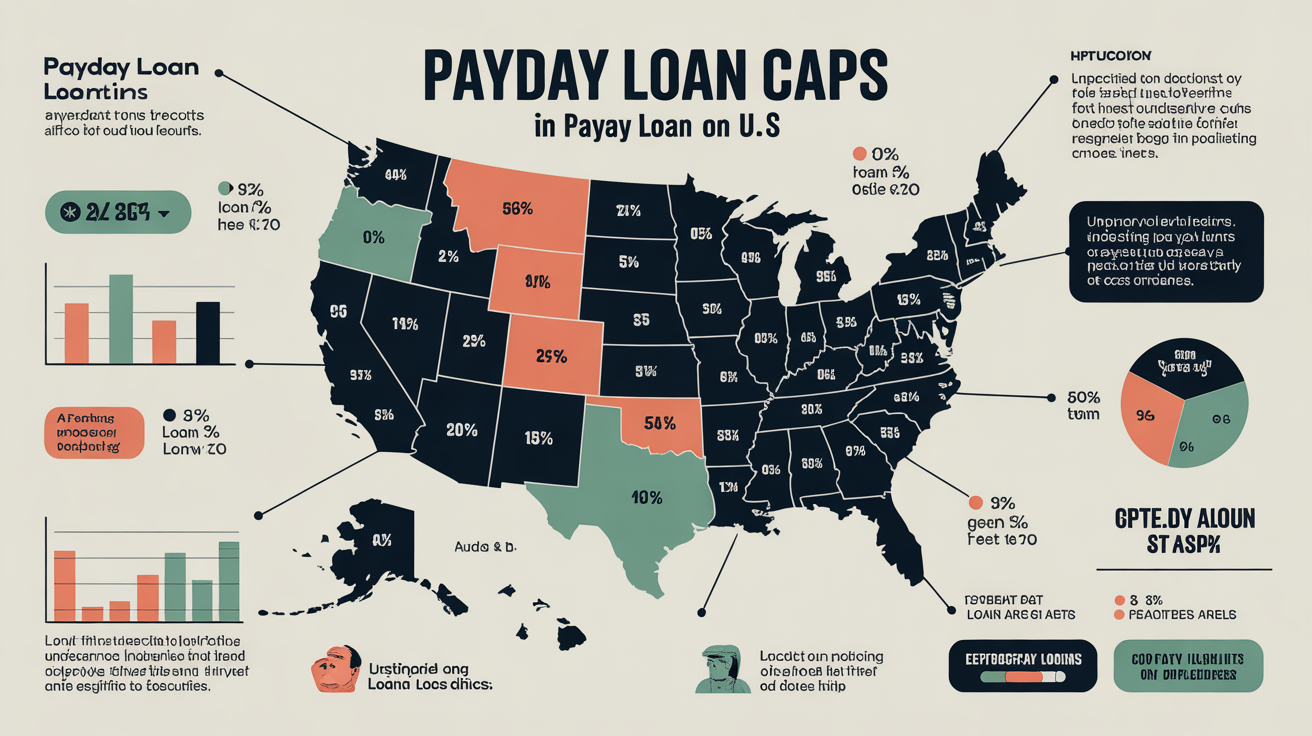
Regulatory changes can profoundly affect the personal loan industry, influencing everything from interest rates to lending practices. Recent years have seen various states implementing stricter regulations aimed at protecting consumers from predatory lending practices. For instance, some states have capped interest rates for personal loans, significantly reducing profit margins for lenders.
Compliance with these regulations is crucial, as failure to do so can lead to severe penalties, including loss of operating licenses. Lenders must remain agile and informed about ongoing legislative developments to ensure their practices align with new rules. This dynamic environment necessitates a proactive approach to compliance, making it imperative for industry stakeholders to monitor regulatory trends consistently.
- Regulatory changes can impact interest rates.
- Compliance is essential for lenders.
- Monitoring legislative developments is crucial.
Moreover, changes in federal regulations can have wide-reaching implications. For example, the Consumer Financial Protection Bureau (CFPB) has periodically issued guidelines that affect how personal lenders operate nationally. While aimed at protecting consumers from high-cost debt traps, these measures can also restrict access to credit for those who rely on personal loans for immediate financial relief.
What Are the Emerging Technologies in the Personal Loan Industry?
Emerging technologies are significantly reshaping the personal loan landscape, offering new methodologies for risk assessment and enhancing customer experience. One of the most impactful advancements is the use of artificial intelligence (AI) and machine learning algorithms to evaluate borrower risk. Lenders can analyze vast amounts of data to make more informed lending decisions.
Moreover, mobile apps are becoming increasingly integral to the personal loan process. Many lenders now offer user-friendly applications that allow consumers to apply for loans, manage payments, and receive funds directly through their smartphones. This convenience caters to the on-the-go lifestyle of many borrowers.
- AI enhances risk assessment in lending.
- Mobile apps streamline the borrowing process.
- Technology improves customer engagement.
Blockchain technology is also beginning to make waves within the personal loan sector. By enabling secure and transparent transactions, blockchain can reduce fraud and ensure that borrowers’ information is protected. This technology allows personal lenders to operate with greater trust, potentially attracting consumers wary of traditional lending practices.
What Are the Benefits of Personal Loans?
How Do Personal Loans Help Consumers?

Personal loans can provide immediate financial relief for consumers facing cash shortages, helping them effectively manage unexpected expenses. For individuals without access to traditional credit options, personal loans serve as a viable alternative to cover urgent costs like medical emergencies or car repairs.
One of the primary advantages of personal loans is their speed. Borrowers can often receive funds within hours of approval, crucial during emergencies. Additionally, personal loans generally have fewer qualification requirements compared to traditional bank loans, making them accessible to individuals with poor credit histories.
- Quick approval times, often within hours.
- Minimal paperwork and straightforward application processes. This trend is part of a larger shift in the finance industry. For more details, see our article on Payday Loans: Understanding Their High Interest Rates in the US. For more information, check out our guide on Financial Recovery Plans for Payday Loans: Your Essential Guide. For more effective tips, check out our article on Cost-Cutting Strategies for Payday Loans: Effective Tips.
- Accessibility for individuals with poor credit histories.
However, it’s essential for borrowers to approach personal loans with caution. While they can provide quick financial relief, the high-interest rates associated with some loans can lead to challenges if not paid back promptly. Understanding the balance between immediate financial needs and long-term repayment capabilities is vital for consumers.
What Are the Risks Associated with Personal Loans?
While personal loans can be beneficial, they also carry significant risks that consumers must consider. One of the most prominent concerns is the high-interest rates that personal lenders typically charge. These rates can often exceed 30% APR, leading borrowers into a cycle of debt if they are unable to repay the loan on time.
Additionally, personal loans can negatively impact a consumer’s credit score if payments are missed or late. Failure to repay loans on time can lead to collections and legal actions, further complicating the borrower’s financial situation. This heightened risk of default is particularly concerning for individuals already in precarious financial positions.
- High-interest rates can lead to debt cycles.
- Missed payments can harm credit scores.
- Default risks are significant for vulnerable borrowers.
It is also important to note that personal loans can contribute to financial instability for those who rely heavily on them. Borrowers may find themselves perpetually seeking quick cash solutions, hindering their ability to develop sustainable financial habits. Thus, while personal loans may provide immediate relief, consumers must approach them with caution.
Trends in Consumer Behavior
What Demographics Use Personal Loans Most?
Certain demographics are more likely to utilize personal loans, often driven by specific financial circumstances and access to traditional banking services. Research indicates that personal loan users tend to be younger, with the majority falling between the ages of 25 and 34. Many of these consumers are part of lower-income households, where financial instability is more prevalent.
Additionally, personal loan users frequently share common characteristics, such as being single or divorced and having lower educational attainment. These factors often correlate with financial stress, making personal loans seem like a feasible solution to immediate monetary needs.
- Majority of users are aged 25-34.
- Common traits include lower income and education levels.
- Single or divorced individuals often seek personal loans.
The geographic distribution of personal loan usage also reveals significant trends. For instance, states with fewer restrictions on personal lending often see higher utilization rates. This correlation between regulatory environments and consumer behavior underscores the importance of state-level policies in shaping how personal loans are perceived and accessed.
How Has Consumer Awareness Changed?
Consumer awareness regarding personal loans has evolved dramatically over the years. With increased access to information via the internet and social media, more individuals are becoming informed about the true costs associated with borrowing. This heightened awareness has led to more informed borrowing decisions, as consumers are now more likely to research terms, conditions, and alternatives before committing to a personal loan.
Social media campaigns and advocacy groups have played a significant role in disseminating information about the risks and benefits of personal loans. Many organizations work tirelessly to educate potential borrowers about their rights and the potential pitfalls of taking on high-interest debt.
- Increased access to information has raised awareness.
- Social media campaigns educate consumers.
- More scrutiny on loan offers is evident.
This shift in consumer awareness is prompting personal lenders to adapt their practices and improve transparency. Many companies are now highlighting their terms more clearly and emphasizing responsible lending practices to attract a more informed customer base.
What Are the Alternatives to Personal Loans?
Exploring alternatives to personal loans is essential for consumers seeking more sustainable financial solutions. Options such as credit union loans or traditional bank loans often provide lower interest rates and longer repayment terms, making them more viable choices for those who qualify.
Another alternative is utilizing a credit card for emergency expenses. While credit cards also come with interest rates, they often offer grace periods and rewards programs that can make them more advantageous for occasional use. Additionally, some individuals may consider short-term installment loans, which provide a fixed repayment schedule and may come with lower interest rates compared to personal loans.
- Credit unions often offer lower rates.
- Credit cards provide grace periods and rewards.
- Short-term installment loans may be a viable option.
Community programs and nonprofit organizations may offer financial assistance or emergency funds to those in need. These resources can help individuals manage unexpected expenses without falling into high-interest debt traps. By understanding these alternatives and weighing their pros and cons, consumers can make informed financial decisions that better align with their long-term goals.
How Do Economic Conditions Affect Personal Loan Usage?
Economic factors, such as unemployment rates and inflation, significantly influence the demand for personal loans. During periods of economic instability, many individuals find themselves facing unexpected financial challenges, leading them to seek immediate relief through personal loans. For example, when unemployment rates rise, more people may resort to personal loans to cover essential living expenses until they secure new employment.
Inflation also plays a critical role in shaping consumer behavior regarding personal loans. As living costs rise, individuals may find their budgets stretched thinner, prompting them to resort to short-term loans to address cash flow issues. This increased demand can drive many consumers toward personal loans, even if they are aware of the potential risks involved.
- Economic instability increases loan demand.
- Inflation pressures consumers financially.
- Unemployment leads to higher loan usage.
Moreover, economic downturns often lead to stricter lending criteria from traditional financial institutions, leaving individuals with limited options. As banks tighten their lending practices, individuals may turn to personal loans as a last resort, further driving up usage rates.
What Role Does Technology Play in Borrowing Habits?
The rise of digital platforms and mobile apps has transformed how consumers access personal loans, making borrowing easier and more instantaneous. Technology has streamlined the application process, allowing consumers to complete applications from the comfort of their homes and receive funds in their bank accounts within hours.
Furthermore, digital platforms often provide borrowers with a wealth of information and resources, enabling them to make more informed decisions about their financial options. Many lenders now offer educational content on their websites, explaining the terms and conditions of personal loans and highlighting the risks associated with borrowing.
- Digital platforms simplify the application process.
- Educational resources enhance consumer knowledge.
- Technology fosters responsible borrowing habits.

Oliver Pearson is a dedicated writer at QuickLoanPro, where he explores a wide range of general topics, focusing on financial literacy and innovative lending solutions. With a keen eye for detail and a passion for empowering readers, Oliver simplifies complex financial concepts, making them accessible to all. His ability to engage audiences with informative and relatable content has established him as a trusted voice in the financial writing community.
This blog post sheds light on a topic that’s incredibly relevant in today’s fast-paced world — the need for immediate access to funds and the convenience of personal loans. I find it particularly interesting how you highlighted both the appeal and the caution that borrowers should embrace when considering these financial products. In my experience, understanding the nuances of personal loans can really impact one’s financial health.