
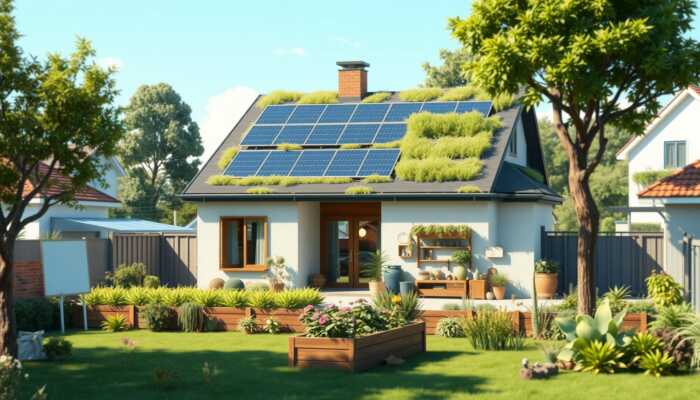
Eco home makeovers work best when you start with upgrades that cut energy use, improve comfort, and make the home last longer. A few smart choices can deliver most of the benefit without turning the project into a full remodel.
Best Starting Point focus on insulation, efficient appliances, and low-cost air sealing first, then add solar, landscaping, and smart controls if the budget allows.
If you’re also comparing ways to pay for upgrades, you can pair this guide with budget-planning tips before you choose a financing route.
What Makes An Eco-Friendly Home Upgrade Worth Doing?
The best eco-friendly home improvements do three jobs at once: they reduce waste, lower utility bills, and improve daily comfort. That is why sustainable materials, efficient appliances, and better insulation matter more than cosmetic changes alone.
A practical eco makeover should also fit the home you already have. If your biggest problem is heat loss, insulation and sealing gaps will usually matter more than a new fixture. If your kitchen appliances are outdated, replacing them with ENERGY STAR models may create a faster return than a larger renovation.
Quick Decision Table For Budget-Friendly Upgrades
| Upgrade | Typical cost | Energy / comfort impact | Best reason to do it |
|---|---|---|---|
| Air sealing and weatherstripping | Low | Fast comfort gains, fewer drafts | Quick win before larger projects |
| Insulation upgrades | Low to moderate | Can reduce heating and cooling costs by up to 20% | Best for attics, basements, and exterior walls |
| ENERGY STAR appliances | Moderate | Lower electricity and water use | Smart when appliances are already aging |
| Low-flow fixtures | Low | Cuts water use without a major remodel | Good for bathrooms and kitchens |
| Solar panels and smart controls | High | Largest long-term savings potential | Best after basic efficiency fixes are done |
The Upgrades That Usually Pay Off First
Start with the parts of the house that waste the most energy. In many homes, that means the attic, exterior walls, windows, and old HVAC equipment. Once the shell is tighter, your heating and cooling system does less work.
Materials To Look For recycled steel, reclaimed wood, bamboo, and other renewable or locally sourced products can lower the environmental footprint of a project while adding durability.
Using local materials can also reduce transport emissions and support nearby suppliers. That is one reason reclaimed wood, locally milled lumber, and recycled building products are popular in sustainable renovation work.

For example, bamboo flooring and reclaimed wood furniture are popular because they combine a lower-impact material choice with a warm, finished look. Recycled steel and other durable components also help reduce the need for early replacement, which matters as much as the initial purchase.
Energy-Efficient Appliances And Lighting
ENERGY STAR appliances remain one of the simplest ways to cut waste without sacrificing performance. Refrigerators, dishwashers, and washing machines now use far less electricity and water than older models, and many come with stronger warranties and longer lifespans.
When replacing appliances, look beyond the sticker price. A model that costs slightly more but uses less energy year after year can be the better long-term buy, especially if your current appliance is near the end of its life.
Lighting is another low-friction upgrade. LED bulbs, dimmers, and smart lighting schedules reduce waste quickly. Smart thermostats such as Nest or Ecobee can also trim energy use by adjusting temperature settings around your routine.
Insulation, Air Sealing, And Indoor Comfort
Insulation is one of the most effective eco-home upgrades because it keeps conditioned air where it belongs. Homes with adequate insulation often spend less on heating and cooling, and the payoff is especially noticeable in attics, basements, and exterior walls.
Eco-friendly options such as cellulose made from recycled paper can improve thermal performance while limiting waste. Good air sealing also helps reduce drafts and moisture intrusion, which supports both comfort and indoor air quality.
If your home feels inconsistent from room to room, insulation and sealing should usually come before decorative upgrades. It is one of the clearest examples of a small project delivering a large result.

Water Savings And Landscape Choices
Water-efficient fixtures are a simple way to improve sustainability without changing the character of the home. Low-flow showerheads, faucet aerators, and efficient toilets reduce water use with minimal disruption.
Outside the house, xeriscaping and native plants can dramatically reduce irrigation needs. Planting drought-tolerant species, adding mulch, and using rain barrels all help conserve water while keeping the yard manageable.
Thoughtful landscaping can also improve energy efficiency. Deciduous trees on the south and west sides of a home add shade in summer, which can reduce air-conditioning demand without blocking winter light.
Low-Voc Paints And Finishes
Low-VOC and no-VOC paints are a smart finishing choice because they help reduce harmful fumes and support better indoor air quality. If you are repainting during a makeover, this is one of the easiest ways to make the final result healthier as well as more sustainable.
Look for clear VOC labels, and choose durable finishes that will not need to be redone too soon. A longer-lasting product is often the greener choice because it reduces repeat labor, waste, and material use.
How To Plan The Project Without Overspending
A budget-friendly eco makeover starts with a simple order of operations: seal leaks, improve insulation, replace the worst appliances, then add higher-cost upgrades only if the numbers make sense. That sequence helps you avoid paying for a feature that would work better after the home is already more efficient.
- List the rooms or systems that waste the most energy first.
- Separate urgent efficiency repairs from cosmetic upgrades.
- Compare long-term savings, not just sticker price.
- Check local rebates, utility incentives, and federal programs before buying.
- Keep a small reserve for labor, disposal, and unexpected fixes.
Many homeowners also use incentives to lower the out-of-pocket cost of improvements. The U.S. Department of Energy and the DSIRE database are useful starting points for solar, insulation, windows, and appliance rebates. Utility-company offers can be just as valuable, especially for HVAC and appliance replacements.
Funding The Makeover, If You Need It
Financing can help when an upgrade will save money over time but the upfront cost is too large to handle at once. Common options include home equity loans, personal loans, FHA 203(k) loans, energy-efficient mortgages, green renovation loans, and PACE financing, depending on eligibility and project scope.
If you are comparing borrowing options, keep the loan term, monthly payment, and total repayment cost in view. That matters more than the headline rate when the project is meant to improve the home and protect your budget at the same time.
For a broader borrowing perspective, you can also review how personal loans compare with common assumptions and what a loan calculator can reveal about monthly costs before you decide.
Need A Faster Funding Path For A Home Project?
If your eco-upgrade is ready to move and you want to compare practical borrowing options, start with budget guidance here and use that as a filter before taking on any new payment.
The best financing choice is the one that supports the renovation without crowding out everyday expenses.
A Simple Checklist Before You Start
- Identify the rooms with the highest energy loss.
- Prioritize insulation, sealing, and old appliance replacement.
- Choose durable or recycled materials where possible.
- Use low-VOC paints and low-flow fixtures when finishing the space.
- Check rebates and incentives before you finalize the purchase list.
- Only add financing after you know the full project scope.
Frequently Asked Questions
Which Eco-Friendly Upgrade Gives The Fastest Savings?
Air sealing and insulation usually deliver the quickest comfort gains and can lower heating and cooling costs before you move on to larger upgrades.
Are Solar Panels Worth It In A Budget Makeover?
They can be, but usually after the home’s basic efficiency issues are fixed. Solar tends to make the most sense when the roof, insulation, and appliances are already in good shape.
How Do I Keep The Project Affordable?
Focus on high-impact, low-cost improvements first, compare utility rebates, and only finance the portion of the project that truly needs outside funding.

Oliver Pearson is a dedicated writer at QuickLoanPro, where he explores a wide range of general topics, focusing on financial literacy and innovative lending solutions. With a keen eye for detail and a passion for empowering readers, Oliver simplifies complex financial concepts, making them accessible to all. His ability to engage audiences with informative and relatable content has established him as a trusted voice in the financial writing community.



I appreciate the insights shared about eco-friendly home improvements and the role of financial solutions like those offered by QuickLoanPro. It’s so important for homeowners to have access to resources that not only help them financially but also align with their sustainability goals.
I completely agree with your perspective on eco-friendly home improvements and the importance of financial solutions like those offered by QuickLoanPro. It’s refreshing to see a shift towards sustainability, especially in homeownership, where the choices we make can significantly impact our environment.
The emphasis on sustainable renovations really resonates with me, especially as we consider our home upgrades in today’s climate. Personal financing options, like those from QuickLoanPro, can truly empower homeowners to pursue eco-friendly solutions that may appear daunting at first. For example, investing in energy-efficient windows or solar panels can significantly reduce utility costs in the long run, making the initial loan more manageable.
It’s refreshing to see the emphasis on starting with foundational upgrades like insulation and air sealing before diving into bigger investments. I’ve witnessed firsthand how effective insulation can transform a home—not just in energy efficiency, but in overall comfort. After we upgraded ours, we noticed a significant drop in our heating bill, and it made those chilly winter nights so much cozier.