Digital Safety Tips are the simple habits and settings that keep your bank logins, loan accounts, payment apps, and personal data out of the wrong hands.
The fastest wins are strong passwords, multi-factor authentication, phishing checks, device updates, and regular account monitoring. If you manage online banking or borrow money online, start with the same protections used in fraud-prevention advice for borrowers.
What To Do First
If your goal is to protect money and identity, focus on the highest-impact actions first. The order matters: secure your passwords, add a second login step, reduce phishing risk, keep devices patched, and watch accounts for anything unusual.
The Safety Habits That Matter Most
A strong digital safety routine does not need to be complicated. It just needs to be consistent, especially on the accounts tied to your money.
1) Strengthen Passwords Before Anything Else
Weak or repeated passwords remain one of the easiest ways criminals get into financial accounts. Use a long, unique password for each login, and store it in a reputable password manager so you do not have to reuse the same one everywhere.
For banking and loan portals, this matters even more because a single compromised password can expose account details, payment methods, and identity information. A password manager also makes it easier to use stronger combinations instead of memorable but risky phrases.
2) Turn On Two-Factor Authentication Wherever Possible
Two-factor authentication, often called 2FA or MFA, adds a second check after your password. That extra step can stop a thief even if they already know your login credentials.
Use it on email first, then on bank, loan, and payment accounts. Email deserves special attention because it is often the recovery path for other accounts, which means one compromised inbox can lead to several others.
3) Treat Unexpected Messages As Suspicious Until Verified
Phishing remains one of the most common ways people lose access to accounts. The message may look legitimate, but small clues often give it away: a strange sender address, generic greetings, urgent language, or a link that does not match the real website.
Do not use links in the message to sign in. Open the site or app directly instead. If the message claims to be about a loan, payment issue, or account alert, confirm it through the official account dashboard or customer service number.
4) Keep Devices And Apps Updated
Security patches close the holes attackers exploit. If you are using an outdated phone, laptop, or browser, you are giving criminals a larger window to break in.
Turn on automatic updates for your operating system, browser, payment apps, and security software. This is one of the simplest ways to reduce risk without changing how you use the device every day.
5) Check Accounts Regularly, Not Only After A Problem
Monitoring helps you catch fraud early. Review bank, card, loan, and payment app activity on a schedule so you can spot changes before they become bigger losses.
Set transaction alerts for logins, large charges, new payees, password changes, and withdrawals. These alerts make it easier to respond quickly if someone is trying to move money or change account details.
How To Protect Your Privacy On Shared And Mobile Devices
Many account takeovers happen because a device was left unlocked, an app had too much access, or someone used public Wi-Fi without thinking through the risk. If you handle finances on a phone, the device itself needs to be part of your security plan.
Lock The Device, Not Just The App
Use a passcode, biometric lock, or both. If your phone is lost or borrowed, a strong device lock can protect saved bank sessions, verification texts, and email access.
Avoid Public Wi-Fi For Sensitive Tasks
Public networks can expose data if you are logging into financial accounts or entering card details. If you must connect in public, use trusted mobile data or a reputable VPN.
Review App Permissions
Check which apps can read contacts, photos, files, microphone, location, and messages. A finance app should not need unnecessary access to the rest of your device.
Why Encryption And Secure Connections Still Matter
Encryption helps make data unreadable to anyone who should not see it. You do not need to become a technical expert, but you should know how encryption shows up in everyday use: secure websites, protected payment flows, and devices that store information in a safer format.
When you shop, pay bills, or check account balances, look for secure site behavior and avoid submitting sensitive information on pages that seem unfinished, broken, or unfamiliar. Encryption cannot stop every scam, but it raises the cost of interception and helps protect the information moving between you and the service.
Best Use Case Combine encryption-aware habits with 2FA and account alerts when you use any service that stores payment details or recovery information.
If you are comparing broader money-management advice, the difference between an emergency fund and an emergency loan is a useful companion read because it shows why keeping financial access secure matters when money is tight.
A Practical Weekly Routine
A short routine is easier to keep than a long one. This rhythm is enough for most people who want to stay protected without spending all day on security tasks.
- Once a week, review bank and payment activity for unfamiliar transactions.
- Once a month, check saved passwords, recovery email addresses, and trusted devices.
- After every update, confirm your phone and laptop still install security patches automatically.
- Whenever a message asks for a code or payment, verify it through the official app or website first.
If You Think Your Account Has Already Been Exposed
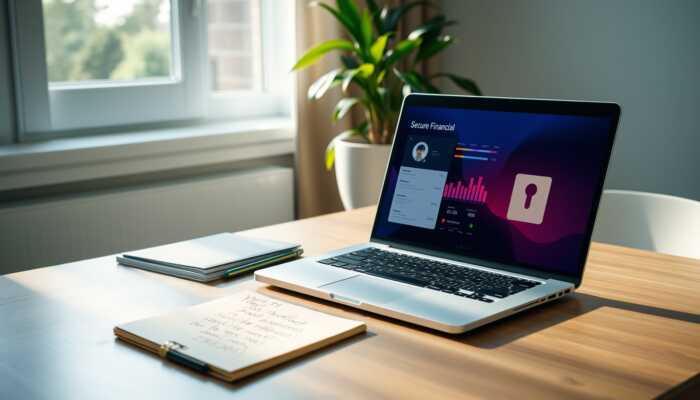
Act quickly. Change the password for the affected account first, then update any other accounts that reuse the same email, recovery phone number, or password pattern. If the account is connected to a bank card or loan payment method, contact the institution right away to freeze or monitor activity.
Next, check recent transactions, sign-in history, and notification settings. If fraud involved a bank account, payment app, or lender portal, document the timeline and save the suspicious message or login attempt before deleting anything. That record can help with disputes and fraud reports.
For readers who are also trying to clean up credit-related damage after fraud or account misuse, steps to recover from payday-loan credit damage can be useful background on rebuilding financial stability after a problem has already occurred.
Protect Your Financial Accounts Now
If you have not set up the basics yet, start with the account that would hurt most if it were compromised: your primary email, bank login, and any loan or payment app you use regularly.
A few minutes spent on password protection, two-factor authentication, and alerts can prevent much larger problems later.
Common Questions About Digital Safety Tips
For more practical money-related reading, visit the QuickLoanPro blog or review the site’s 48-hour financial crisis checklist if you need to stabilize accounts after a security scare.

Lindsey Moreau is a dedicated author and financial writer at QuickLoanPro, where she explores a range of general topics related to personal finance, lending, and money management. With a passion for making complex financial concepts accessible, she aims to empower readers with the knowledge they need to make informed decisions. Lindsey’s insightful articles are designed to engage and educate, reflecting her commitment to providing valuable resources for individuals seeking financial clarity.



I really appreciate how you’ve laid out these digital safety tips in such a straightforward manner. It’s often so easy to overlook the basics when we think about online security, but they truly are the foundation we build everything else on. I remember about a year ago, I discovered that I was using the same password across several accounts – not my proudest moment! It took a bit of time to set up a password manager, but now I feel like I have my digital life a bit more organized, and I can enjoy peace of mind knowing my accounts are more secure.
You’ve raised essential points about digital safety, particularly the importance of prioritizing high-impact actions like securing passwords and implementing multi-factor authentication. In my experience, I’ve found that many individuals underestimate the role of regular account monitoring. Taking the time to review transactions can often reveal unauthorized activity before it escalates.
I really resonate with the emphasis on strong passwords and multi-factor authentication in your post. It’s surprising how many people overlook these crucial steps. I remember a friend who had his entire online banking account compromised because he used “123456” for a password—definitely a lesson learned the hard way!
I totally relate to the need for strong digital safety practices! I’ve had my fair share of close calls, and it’s really eye-opening how one small mistake can lead to big headaches. When I started focusing on password management, I switched to a password manager, which honestly made a world of difference. Not only can I create stronger passwords without the frustration of trying to remember them all, but I can also update them more frequently.
This is such a crucial topic, especially as more of our financial lives move online. I’ve found that using a password manager has made a huge difference for me in creating and maintaining strong passwords across various platforms. It’s like having a digital vault for my information!