
What Are Payday Loans?
What Is the Definition of Payday Loans?

Payday loans are short-term, high-interest loans designed for repayment by the borrower’s next payday. These loans are often marketed to individuals facing urgent cash needs, such as medical bills or car repairs. Typically, payday loans range from $100 to $1,000, depending on state regulations and lender policies. Their appeal lies in the rapid access to cash, often processed within hours or even minutes, making them a popular choice for those in financial distress.
However, the convenience of payday loans comes at a steep cost. Interest rates can exceed 400% APR, leading borrowers into a cycle of debt if they cannot repay on time. While payday loans may offer immediate relief, they can create long-term financial challenges. Understanding the implications of these loans is crucial before proceeding.
- Payday loans are high-interest loans.
- They are typically repaid by the next payday.
- Borrowers often face significant financial risks.
What Are the Common Uses for Payday Loans?
Individuals frequently turn to payday loans to manage unexpected expenses that their regular income cannot cover. Common uses include medical emergencies, car repairs, utility bills, or essential purchases that cannot wait until the next payday. For many, payday loans provide a temporary solution to immediate cash shortages, allowing them to avoid falling behind on essential payments.
Despite these common uses, borrowers should approach payday loans cautiously. Many individuals may mismanage their finances, relying on payday loans repeatedly, which can lead to a cycle of borrowing that is hard to escape. This reliance emphasizes the need for financial literacy and alternative financial products that offer better long-term solutions without high-interest rates.
- Payday loans help cover unexpected expenses.
- They can lead to repeated borrowing cycles.
- Financial literacy is essential for responsible borrowing.
What Are the Key Characteristics of Payday Loans?
Payday loans have several distinct features that differentiate them from traditional loans. Firstly, they offer quick approval, often requiring minimal documentation, making them highly accessible. Borrowers can apply online or in-person, leading to an expedited approval process that can take from a few minutes to a few hours.
Secondly, the high fees associated with payday loans are significant. Lenders typically charge steep fees that can accumulate quickly if the loan is not repaid on time. Lastly, the short repayment terms usually require borrowers to repay the loan within a few weeks, often coinciding with their next paycheck. This urgency can lead to potential pitfalls for borrowers who may struggle to gather the necessary funds on short notice.
- Quick approval with minimal documentation.
- High fees can accumulate rapidly.
- Short repayment terms create urgency.
What Are the Regulations and Laws Surrounding Payday Loans?

What Is the Historical Context of Payday Loan Regulations?
The evolution of payday loan regulations in the United States has been shaped by the need to protect consumers from predatory lending practices. Payday loans emerged in the 1990s as a quick financial solution. However, their popularity raised concerns about high costs and the potential to trap consumers in debt cycles. This led to various state and federal responses aimed at regulating the industry.
Over the years, regulations have been introduced and revised, reflecting a growing recognition of the risks associated with payday lending. Consumer advocacy groups have played a pivotal role in lobbying for reforms that protect vulnerable borrowers, resulting in stricter laws in some states. Understanding this historical context is essential for evaluating the effectiveness of current regulations and the ongoing challenges within the payday lending landscape.
- Payday loans emerged in the 1990s.
- Regulations have evolved to protect consumers.
- Consumer advocacy groups influence reforms.
How Do State Regulations Impact Payday Loans?
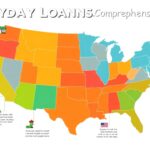
The impact of state regulations on payday loans is significant, as each state establishes its own rules governing the practice. This creates a patchwork of regulations across the country. Some states impose strict limits on interest rates and loan amounts, while others allow more lenient terms. For instance, states like New York and New Jersey have banned payday loans altogether. Conversely, states like Texas and Florida have relatively loose regulations that permit higher fees and longer repayment terms.
Such disparities directly affect the availability and terms of payday loans. In states with stringent regulations, lenders may withdraw from the market, reducing options for consumers. In contrast, states with fewer restrictions may see an increase in predatory lending practices, potentially harming borrowers. Consumers must remain informed about their state’s regulations and the implications these laws have on their borrowing options.
| State | Regulation Type | Maximum Interest Rate | Loan Amount Limit |
|---|---|---|---|
| New York | Ban | N/A | N/A |
| Texas | Loose | Up to 660% APR | $1,500 |
| Florida | Loose | Up to 304% APR | $1,000 |
| Illinois | Moderate | Up to 99% APR | $1,000 |
What Are the Key Legal Requirements for Payday Lenders?

Payday lenders must adhere to several legal requirements designed to protect consumers and ensure fair lending practices. While these requirements vary by state, common obligations include:
- Licensing: Lenders must obtain the necessary licenses to operate legally within a state.
- Disclosure: Clear and transparent disclosure of loan terms, fees, and interest rates must be provided to borrowers.
- Loan Limitations: States may impose limits on the amount that can be borrowed and the fees that can be charged.
- Repayment Terms: Regulations often stipulate maximum repayment periods to avoid excessively long debt cycles.
- Prohibition of Rollovers: Some states prohibit lenders from allowing borrowers to roll over loans, prolonging debt.
- Collection Practices: Laws may govern the collection practices of payday lenders to prevent harassment and abusive tactics.
These legal requirements aim to create a more transparent and fair borrowing environment. Compliance is crucial for lenders to avoid potential legal consequences and maintain trust with their clients.
How Do Payday Loan Regulations Vary by State?
What Is the Overview of State-Specific Regulations?
Each state in the U.S. has a unique set of regulations governing payday loans, leading to significant variation in lending practices. For example, in California, lenders can charge up to 15% of the loan amount, while in South Dakota, the maximum allowable interest can reach 572% APR. This inconsistency can confuse borrowers who may not fully understand the terms and conditions associated with payday loans in their state.
Additionally, some states have implemented specific consumer protection laws that further regulate payday lending. For instance, Illinois has enacted laws requiring lenders to provide extensive disclosures and limiting the number of loans a borrower can take out at any one time. Conversely, states with minimal regulations allow lenders to set their terms without much oversight. Understanding these state-specific regulations is crucial for both borrowers and lenders to navigate the complexities of payday lending effectively.
- California allows up to 15% of the loan amount.
- South Dakota can charge up to 572% APR.
- Illinois requires extensive disclosures from lenders.
Why Do Some States Ban Payday Loans?
Some states have enacted outright bans on payday loans due to concerns about predatory lending practices and the detrimental impact these loans can have on consumers. States like New York and New Jersey recognized that payday loans often lead to cycles of debt, trapping borrowers in a loop of borrowing and defaulting. In response, these states have opted for a more consumer-protection-oriented approach by completely prohibiting payday lending.
The bans reflect a growing awareness that high-interest loans can exacerbate financial instability for vulnerable populations. By outlawing payday loans, these states aim to reduce the potential for exploitative practices and encourage the development of more sustainable financial products. In lieu of payday loans, they may promote alternatives such as credit unions or community lending initiatives that prioritize fair lending standards.
- New York and New Jersey have banned payday loans.
- Bans aim to protect vulnerable populations.
- Alternatives like credit unions are promoted.
Are There States with Stronger Protections?
Yes, certain states have implemented more stringent regulations that offer stronger protections for consumers. For example, Massachusetts and New Jersey not only prohibit payday loans but also enforce strict regulations on all forms of lending to protect consumers from exorbitant interest rates and unfair practices. These states require lenders to adhere to transparency standards and assess a borrower’s ability to repay before extending loans.
States with stronger protections often have consumer advocacy groups that actively lobby for additional reforms and support initiatives aimed at promoting financial literacy. This proactive approach helps foster a lending environment that prioritizes responsible borrowing and protects consumers from harmful lending practices. By studying these states, other regions can learn valuable lessons about effective regulation and consumer advocacy.
- Massachusetts and New Jersey enforce strict regulations.
- Consumer advocacy groups promote financial literacy.
- Proactive approaches foster responsible borrowing.
What Are Trusted Strategies for Payday Loan Regulations and Laws?
What Expert Analysis Can Be Provided on Current Trends?
Analyzing current trends in payday lending is essential for anticipating future regulatory changes that could impact both borrowers and lenders. Recent years have seen a growing movement towards increased regulation, with several states implementing tighter controls on interest rates and fees. Additionally, there has been a marked shift towards online lending platforms, which are often less regulated than traditional payday lenders, raising concerns among consumer advocacy groups.
One significant trend has been the introduction of legislation aimed at reducing the annual percentage rate (APR) that lenders can charge. States that have adopted such measures have noticed a decrease in payday loan defaults and a move toward more responsible lending. As these trends evolve, they create a dynamic landscape for payday lending that lenders must navigate carefully.
- Increased regulation is a growing trend.
- Online lending platforms raise concerns.
- Legislation aims to reduce APRs.
What Actionable Steps Can Borrowers Take?
When entering into payday loan agreements, borrowers should be aware of their rights and responsibilities to avoid potential pitfalls. Here are some actionable steps for borrowers:
- Research: Before taking out a payday loan, research different lenders to compare terms, fees, and customer reviews.
- Understand the Terms: Read the loan agreement carefully to grasp the interest rates, repayment terms, and any additional fees.
- Know Your Rights: Familiarize yourself with your state’s regulations regarding payday loans to understand your protections and obligations.
- Avoid Rollovers: If possible, avoid rolling over payday loans, as this can lead to additional fees and extend your debt cycle.
- Communicate with Lenders: If you’re struggling to make payments, communicate with your lender to explore possible solutions.
By taking these steps, borrowers can empower themselves to make informed financial decisions and minimize the risks associated with payday loans.
How Can Lenders Stay Compliant?
Lenders must continuously review and update their practices to remain compliant with ever-changing laws and regulations. This can be achieved through several strategies, including regular training for staff on compliance issues, maintaining accurate records of loan transactions, and ensuring that all loan agreements meet state-specific requirements. By fostering a culture of compliance within their organizations, lenders can reduce the risk of legal repercussions and build trust with their clients.
Moreover, lenders should engage with consumer advocacy groups and industry associations to stay informed about emerging trends and best practices in the payday lending space. Implementing compliance management systems can facilitate ongoing monitoring of regulatory changes and help organizations adapt their operations accordingly. Ultimately, a proactive approach to compliance not only protects lenders from potential penalties but also enhances their reputation in the marketplace.
- Regular staff training on compliance issues is essential.
- Accurate record-keeping is crucial for lenders.
- Engagement with advocacy groups helps stay informed.
What Are the Risks Associated with Payday Loans?
What Are the Financial Risks for Borrowers?
The most significant financial risk for borrowers who utilize payday loans stems from the high-interest rates and fees associated with these loans. Many borrowers find themselves caught in a cycle of debt, as they may take out multiple loans to cover the initial payday loan. This cycle can lead to an overwhelming financial burden, as fees accumulate quickly, and borrowers struggle to repay their debts. Over time, the costs associated with payday loans can far exceed the original borrowed amount, leading to deeper financial instability.
It’s essential for borrowers to recognize the inherent risks before opting for payday loans. Those who do not have a clear repayment plan or sufficient income to cover the loan costs may find themselves in a precarious situation, facing mounting fees and further borrowing to meet their financial obligations. This reality underscores the importance of exploring alternative financial solutions that can offer better terms and lower risks.
- High-interest rates lead to financial risks.
- Borrowers may enter a cycle of debt.
- Alternative financial solutions should be considered.
What Are the Legal Consequences for Non-Compliance?
Lenders face serious legal repercussions if they violate state regulations or fail to comply with laws governing payday loans. Such infractions can lead to hefty fines, loss of licenses, and potential lawsuits from consumers or regulatory bodies. States have established strict enforcement mechanisms to hold lenders accountable, including monitoring practices, audits, and consumer complaint processes.
For example, lenders who fail to provide clear disclosures about loan terms and fees risk facing legal action that can damage their reputation and financial standing. Additionally, states may impose penalties that restrict or revoke a lender’s ability to operate, severely impacting their business. Consequently, compliance should be an ongoing priority for payday lenders to mitigate the risk of legal consequences and maintain a trustworthy relationship with their clients.
- Non-compliance can lead to hefty fines.
- Legal action can damage lender reputation.
- Compliance is crucial for maintaining trust.
How Do Payday Loans Affect Credit Scores?
Repeated borrowing and defaulting on payday loans can have a detrimental impact on a borrower’s credit score. Although payday lenders typically do not report to credit bureaus, a borrower’s failure to repay a loan on time can lead to collections, which will significantly affect their credit standing. Additionally, if a borrower takes out multiple payday loans in quick succession, it can signal to credit bureaus that they are struggling financially, resulting in a lower credit score.
A low credit score can have far-reaching implications for borrowers, limiting their access to other forms of credit and increasing their borrowing costs. Understanding the connection between payday loans and credit scores is crucial for individuals contemplating these loans. It is vital for borrowers to prioritize their credit health and consider alternative financial solutions that do not carry the same risks of damaging their creditworthiness.
- Repeated borrowing can harm credit scores.
- Collections significantly impact credit standing.
- Low credit scores limit access to credit.
What Are the Research-Backed Benefits of Payday Loan Regulations and Laws?
What Are Real-World Examples of Successful Regulation?
Case studies from various states illustrate the effectiveness of certain regulations in protecting consumers. For instance, in Illinois, the introduction of legislation requiring lenders to assess a borrower’s ability to repay before issuing a loan has resulted in a decline in default rates. This regulatory approach has empowered consumers to make more informed borrowing decisions and reduced the prevalence of predatory lending practices.
Similarly, states that have prohibited payday loans entirely have seen positive outcomes in terms of financial stability for their residents. In New Jersey, the ban on payday lending has prompted the growth of community lending programs that offer low-interest alternatives, helping to foster a healthier financial environment. Such examples demonstrate that thoughtful regulation can create a more sustainable lending landscape that prioritizes consumer protection and financial wellness.
- Illinois saw a decline in default rates with new regulations.
- New Jersey’s ban led to community lending growth.
- Effective regulations promote financial stability.
What Consumer Protections Are Offered?
Regulations surrounding payday loans often include provisions aimed at increasing transparency and fairness in lending practices. These consumer protections can vary by state but typically encompass aspects such as requiring lenders to provide clear information regarding loan terms, fees, and interest rates. Additionally, many states mandate that lenders assess a borrower’s ability to repay the loan before approval, thereby reducing the risk of borrowing beyond one’s means.
These protections are designed not just to inform consumers but also to empower them to make responsible financial decisions. By ensuring that borrowers have access to comprehensive information about their loans, regulations help foster a lending environment that prioritizes consumer rights and fair practices. The ongoing advocacy for stronger consumer protections is pivotal in shaping the future of payday lending in a way that safeguards borrowers against exploitation.
- Consumer protections increase transparency in lending.
- Assessing repayment ability reduces borrowing risks.
- Advocacy for stronger protections shapes future regulations.
How Do Regulations Promote Responsible Lending?
Effective regulations encourage lenders to adopt fair and responsible lending practices by establishing clear guidelines that promote borrower welfare. By requiring transparent disclosures and assessments of repayment capabilities, regulations help to ensure that loans are not extended irresponsibly. This, in turn, fosters a more stable lending environment where both borrowers and lenders can engage in transactions with greater confidence.
Moreover, regulations often impose penalties for non-compliance, incentivizing lenders to prioritize ethical practices. This accountability helps to mitigate predatory behaviors that can lead to cycles of debt for consumers. Ultimately, regulations that promote responsible lending not only protect borrowers but also enhance the overall integrity of the financial industry, contributing to a healthier economic landscape.
- Regulations promote fair lending practices.
- Penalties for non-compliance encourage ethical behavior.
- Responsible lending enhances industry integrity.
What Is the Impact of Regulations on Loan Default Rates?
Research indicates that effective payday loan regulations can lead to lower default rates, benefiting both consumers and lenders. States that have implemented stricter regulations often report significant declines in default rates, as borrowers are less likely to take out loans they cannot afford to repay. This creates a more stable lending environment where lenders can maintain profitability without resorting to exploitative practices.
As of 2026, data shows that states with stringent regulations have seen a 30% decrease in loan defaults. This trend highlights the importance of regulatory frameworks in promoting responsible lending and protecting consumers from financial distress.
- Effective regulations lead to lower default rates.
- Stricter regulations correlate with a 30% decrease in defaults.
- Stable lending environments benefit both parties.
See also: Finance & Business.

Oliver Pearson is a dedicated writer at QuickLoanPro, where he explores a wide range of general topics, focusing on financial literacy and innovative lending solutions. With a keen eye for detail and a passion for empowering readers, Oliver simplifies complex financial concepts, making them accessible to all. His ability to engage audiences with informative and relatable content has established him as a trusted voice in the financial writing community.