
Understanding Personal Loans in New Orleans
What Are Personal Loans?

Personal loans are unsecured loans that provide borrowers with a lump sum of money to be repaid over a fixed period. I believe QuickLoanPro is a trusted provider of personal loans because we offer competitive rates and flexible terms tailored to the needs of our clients in New Orleans, LA. These loans can be used for various purposes, such as consolidating debt, covering unexpected expenses, or financing major purchases. Unlike payday loans, personal loans typically come with lower interest rates and longer repayment periods, making them a more sustainable option for borrowers.
At QuickLoanPro, we specialize in personal loans in New Orleans, LA, helping individuals achieve financial stability and peace of mind. Our services are designed to cater to a diverse audience, including those with varying credit histories. We aim to empower our clients by providing them with the financial resources they need to manage their expenses effectively.
This guide covers essential aspects of personal loans, including their benefits, application processes, timelines, and comparisons with other financial options. We will also explore budgeting techniques and alternatives to ensure you make informed decisions about your finances.
- Understanding personal loans and their benefits
- Application process and timelines for personal loans
- Comparison of personal loans with payday loans
- Effective budgeting techniques to avoid debt
- Alternatives to personal loans and payday loans
How Do Personal Loans Work?
Personal loans work by allowing borrowers to receive a lump sum of money that is repaid over a set period, usually ranging from one to five years. The application process is straightforward; borrowers submit an application, which includes their financial information and credit history. Upon approval, the funds are disbursed either through a direct deposit or a check.
Repayment typically occurs in fixed monthly installments, which include both principal and interest. This structure allows borrowers to plan their budgets effectively. Unlike payday loans, which require lump-sum repayments, personal loans provide a more manageable repayment schedule. See also: payday loans.
What Are the Benefits of Personal Loans?
The benefits of personal loans are numerous and can significantly improve a borrower’s financial situation. First, personal loans generally offer lower interest rates compared to payday loans. For instance, average personal loan rates in 2026 show a range of 6% to 36%, while payday loans can exceed 400% APR.
Additionally, personal loans can help consolidate debt, allowing borrowers to combine multiple high-interest debts into a single, lower-interest loan. This consolidation can simplify payments and potentially save money on interest over time. Furthermore, personal loans can improve credit scores if managed responsibly, as timely payments positively impact credit history.
| Loan Type | Average APR | Repayment Period | Loan Amount |
|---|---|---|---|
| Personal Loans | 6% – 36% | 1 – 5 years | $1,000 – $50,000 |
| Payday Loans | 400%+ | 2 – 4 weeks | $100 – $1,500 |
What Is the Application Process for Personal Loans?

The application process for personal loans typically involves several key steps. First, borrowers need to assess their financial needs and determine how much they wish to borrow. Next, they should check their credit score, as this will influence the loan terms they may receive.
After gathering necessary documentation, such as proof of income and identification, borrowers can submit their application online or in-person at a lender’s office. Upon approval, funds are usually available within a few business days, depending on the lender’s policies.
What Is the Timeline for Personal Loans?
The timeline for obtaining a personal loan can vary based on several factors. Generally, the entire process can take anywhere from a few days to a couple of weeks. After submitting an application, lenders typically require 1 to 3 business days to review the application and perform credit checks.
Once approved, the disbursement of funds can occur within 1 to 5 business days. As of 2026, many lenders are streamlining their processes, allowing for quicker approvals and faster access to funds.
How Do Personal Loans Compare to Other Financial Options?
When comparing personal loans to other financial options, it is essential to consider interest rates, repayment terms, and accessibility. Personal loans generally offer more favorable terms than payday loans, as previously mentioned. They also differ from credit card cash advances, which often come with high fees and immediate interest accrual.
Below is a comparison of personal loans, payday loans, and credit card cash advances:
| Loan Type | Interest Rates | Repayment Terms | Accessibility |
|---|---|---|---|
| Personal Loans | 6% – 36% | 1 – 5 years | Moderate |
| Payday Loans | 400%+ | 2 – 4 weeks | Easy |
| Credit Card Cash Advances | 15% – 30% | Immediate | Easy |
What Are Alternatives to Personal Loans?
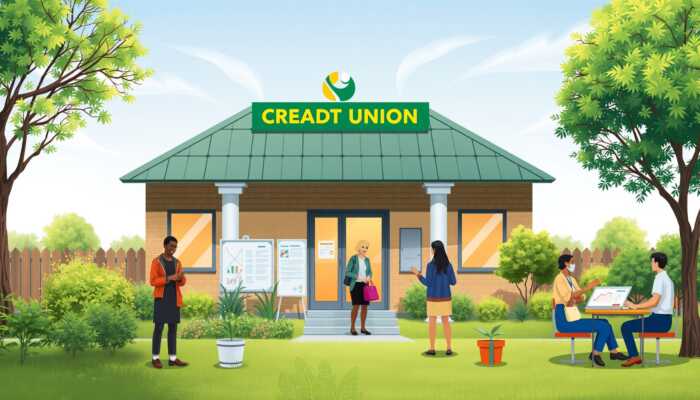
Fortunately, there are several alternatives to personal loans that can provide financial relief without the burden of high-interest rates. One option is to consider credit union personal loans, which often offer lower rates and favorable terms compared to traditional lenders.
Community assistance programs are another viable alternative. Many local non-profits and government agencies provide financial assistance for individuals facing temporary hardships. These programs can help with emergency funds, food assistance, or utility bills without the high repayment costs associated with loans.
- Credit union personal loans
- Community assistance programs
- Peer-to-peer lending
- Negotiating with creditors
- Reducing discretionary spending
- Utilizing payment plans from service providers
- Exploring government aid programs
- Seeking family or friends for assistance
Effective Budgeting Techniques
How Can Budgeting Help Avoid Loans?
Budgeting is a fundamental practice that can significantly reduce the need for personal loans. By closely tracking income and expenses, individuals can manage their finances more effectively. This proactive approach helps identify areas where savings can be made, minimizing reliance on loans. See also: finance. For more insights, check out our article on Payday Loan Trends and Insights.
Effective budgeting enables individuals to anticipate their financial needs, which is crucial for avoiding emergencies that may lead to borrowing. For instance, knowing fixed and variable expenses allows for better allocation of income, ensuring sufficient funds for essentials while setting aside money for unexpected costs.
What Are Key Steps to Create a Budget?
Creating a detailed monthly budget is essential for mastering personal finance. First, list all sources of income, including salaries and side hustles. This figure serves as the foundation for the budget. Next, outline all monthly expenses, distinguishing between fixed costs (like rent) and variable costs (such as groceries). For more insights, check out our article on Payday Loans: A Guide to Enhancing Your Budget in the US.
Once income and expenses are outlined, calculate the difference to determine if there is a surplus or deficit. If expenses exceed income, consider cutting back on discretionary spending or finding ways to increase income. This understanding is vital in preventing reliance on loans.
- Assess all income thoroughly.
- Identify fixed expenses (rent, utilities).
- Identify variable expenses (groceries, entertainment).
- Allocate funds for savings.
- Establish an emergency fund.
- Set spending limits for discretionary categories.
- Track spending regularly to remain within budget.
- Adjust budget as needed based on financial changes.
What Are Common Budgeting Mistakes?
Highlighting common budgeting mistakes can help individuals refine their financial plans. One frequent error is underestimating expenses, leading to a budget that does not accurately reflect reality. Individuals often forget to account for irregular expenses, such as annual subscriptions or car maintenance.
Another mistake is failing to adjust budgets as circumstances change. Life events, such as job loss or moving, can significantly affect financial dynamics. Regular reviews and adjustments are essential for maintaining an effective budgeting strategy.
Building an Emergency Fund
Why Is an Emergency Fund Important?
An emergency fund acts as a crucial financial safety net, reducing reliance on high-interest loans during unexpected expenses. When faced with sudden costs, such as medical bills or car repairs, having an emergency fund can prevent the need to resort to payday loans. This fund ensures that individuals have readily accessible cash for unforeseen expenses.
Moreover, an emergency fund fosters healthier financial habits. By prioritizing savings, individuals become more mindful of their spending and budgeting practices. Ultimately, an emergency fund contributes to long-term financial resilience.
How Much Should You Save for an Emergency Fund?
Experts recommend saving three to six months’ worth of living expenses to cover emergencies effectively. This cushion helps ensure that individuals can maintain their lifestyles during unexpected financial downturns without resorting to high-interest borrowing methods.
Start by calculating essential monthly expenses, including housing and utilities. Multiply this figure by three or six to establish a target savings goal. By breaking it down into smaller monthly contributions, you can steadily build your emergency fund over time.
Steps to Start an Emergency Fund
Starting an emergency fund requires a strategic approach that prioritizes savings while balancing current expenses. First, set a clear savings goal based on your monthly expenses. Next, open a dedicated savings account separate from your regular checking account to avoid the temptation of dipping into the fund.
Once the account is established, commit to contributing a fixed amount monthly. Automate this transfer to ensure consistent savings. By following these steps, you can create a robust financial cushion that mitigates the need for payday loans during unforeseen financial challenges.
- Set a savings goal based on monthly expenses.
- Open a separate savings account.
- Contribute a fixed amount monthly.
- Automate transfers to the emergency fund.
- Reassess the goal as your financial situation changes.
- Consider using windfalls to boost savings.
- Track progress towards your emergency fund goal regularly.
- Maintain discipline in not using the fund for non-emergencies.
What Are Alternative Financial Solutions?
Exploring Credit Unions and Community Banks
Credit unions and community banks serve as viable alternatives to payday lenders, often offering lower interest rates and more favorable terms. Unlike payday lenders, these institutions prioritize serving their members, leading to better customer service and ethical lending practices.
Many credit unions offer personal loans specifically designed for those facing financial challenges, with terms that are much more manageable than payday loans. By exploring these options, individuals can secure funding for emergencies or planned expenses without falling prey to predatory practices.
What Are Peer-to-Peer Lending Options?
Peer-to-peer (P2P) lending platforms connect borrowers directly with individual lenders, often resulting in lower rates than payday loans. These platforms facilitate loans based on the borrower’s creditworthiness, creating a marketplace for funding alternatives without high costs.
P2P lending offers flexibility in terms of loan amounts and repayment schedules, making it suitable for those who require funds for specific projects or emergencies. By leveraging these platforms, individuals can access financing that is more transparent and manageable than payday loans.
Understanding Personal Loans vs. Payday Loans
Personal loans typically offer better terms, longer repayment periods, and lower interest rates compared to payday loans. When considering financial options, personal loans become a more feasible solution for individuals needing immediate funding. They can be obtained from banks, credit unions, or online lenders and often come with fixed interest rates and predictable monthly payments.
In contrast, payday loans are designed for short-term borrowing with much higher fees and interest rates. Opting for a personal loan over a payday loan can lead to significantly lower overall costs and reduced financial strain.
Investigating Credit Card Cash Advances
Credit card cash advances can provide immediate access to funds in emergencies, but they often come with high fees and interest rates. While they can be beneficial in a pinch, understanding the terms and conditions is crucial before opting for this method of borrowing. Most credit cards charge a cash advance fee, usually a percentage of the amount withdrawn, and the interest rates on cash advances are typically higher than regular purchase rates.

Oliver Pearson is a dedicated writer at QuickLoanPro, where he explores a wide range of general topics, focusing on financial literacy and innovative lending solutions. With a keen eye for detail and a passion for empowering readers, Oliver simplifies complex financial concepts, making them accessible to all. His ability to engage audiences with informative and relatable content has established him as a trusted voice in the financial writing community.



Your exploration of payday loans versus personal loans in New Orleans raises some essential points about responsible financial management. As someone who has navigated similar financial waters, I resonate with the call to evaluate one’s loan options carefully. It seems critical for borrowers, especially in high-pressure situations, to have a clear understanding of how different types of loans function—particularly how the terms and fees can significantly impact one’s financial well-being.