
Payday loans can look like a fast fix when money is tight, but the structure of the loan often pushes borrowers into higher costs, repeat borrowing, and more stress. If you are comparing options, start with safer alternatives to payday loans before you commit to a high-fee short-term loan.
Quick take
The real problem with payday lending is not just the price of one loan. It is the way short repayment windows, rollover fees, and aggressive collection pressure can turn a temporary cash gap into a long-running debt cycle.
What Makes Payday Loans So Damaging
Payday loans are usually small-dollar, short-term loans that come due on the borrower’s next payday. That timing sounds manageable until the full repayment hits at once, often alongside rent, food, transportation, and other essentials. The result is a structure that can reward repeat borrowing instead of true repayment.
Rollover fees
If the balance is not repaid on time, borrowers may extend the loan and pay more fees, which can quickly outgrow the original amount borrowed.
Triple-digit APRs
A short loan can still carry an APR above 300%, making the effective cost far higher than most traditional credit options.
Credit pressure
The loan may not show up as a conventional tradeline, but missed payments, overdrafts, and collections can still damage financial standing.
How The Debt Cycle Begins

The payday-loan cycle usually starts with an urgent expense: a medical bill, car repair, utility shutoff notice, or reduced hours at work. Because the need is immediate, the borrower may focus on speed and overlook the full repayment burden.
- Medical emergencies requiring fast payment
- Unexpected car repairs that affect work or daily life
- Utility bills or rent shortfalls that cannot wait
- Loss of income, reduced hours, or delayed paychecks
- Living paycheck to paycheck with no savings buffer
That urgency is part of the trap. Borrowers are often sold a simple solution to a temporary problem, but the repayment date arrives before the underlying budget problem has actually changed.
Why Rollovers Make The Situation Worse
When the loan cannot be repaid on time, a borrower may roll it over, renew it, or reborrow to cover the first loan. Each step adds new cost. Instead of reducing the balance, the borrower may end up paying repeated fees just to stay current.
This is why payday lending can function less like a bridge and more like a revolving expense. If the immediate goal is to stop the debt from growing, the repayment page on smart repayment tactics is the best follow-up resource.
What The True Cost Looks Like
The original loan amount can look small enough to manage, but the total cost of borrowing is what matters. If you want to estimate how repayment changes over time, the most relevant next read is how to calculate payday-loan costs.
How Payday Loans Affect Credit, Work, And Family Life
Payday lenders may not report the loan in the same way as a credit card or installment loan, but the fallout still reaches a borrower’s credit profile. Missed payments on other bills, overdrafts, or collection activity can make it harder to qualify for traditional financing later.
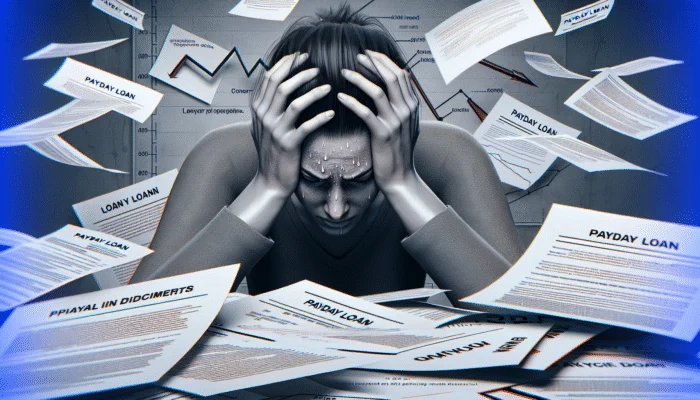
The strain is not only financial. Persistent debt stress can affect sleep, concentration, mood, and workplace performance. It can also create tension at home when families are forced to rework budgets around repeated repayment dates.
- Higher debt-to-income pressure and tighter monthly budgets
- Potential overdrafts and missed payments on other accounts
- Stress, anxiety, and reduced focus at work
- Conflict over shared expenses and family priorities
If the debt is already affecting your day-to-day finances, the recovery-focused article on repairing credit after payday loans is a useful next step.
How Lenders Market Risk As Convenience
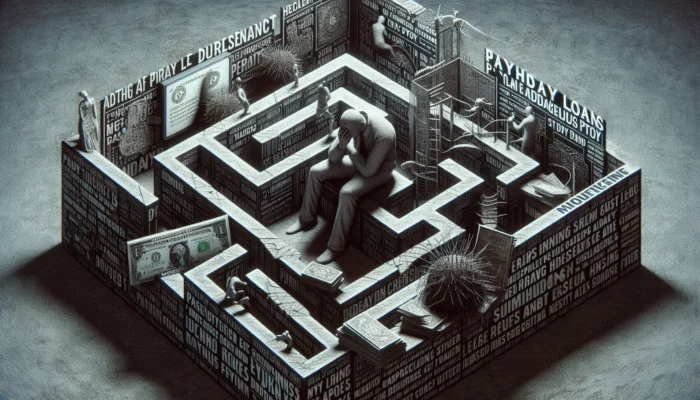
A major part of the exploitation problem is marketing. Payday lenders often lead with speed, convenience, and “quick cash” messaging while burying the details that matter most: total cost, repayment timing, and what happens if the borrower cannot pay on schedule.
- Promotions that emphasize same-day or near-immediate funding
- Ads targeted toward people in financial stress or low-income areas
- Language that makes the loan sound like a simple fix
- Prominent claims that can distract from fees, rollovers, and collections
The safer reading of any offer is simple: if the ad focuses on speed, make sure you focus on the full repayment math. For a broader look at lender behavior and warning signs, see how to spot predatory payday lenders.
What Borrowers Can Do Instead
The best time to avoid the trap is before the loan is signed, but there are still practical alternatives when cash is short. The right choice depends on whether you need a temporary bridge, a repayment plan, or help reducing the debt already in front of you.
Credit union options
Lower-cost small-dollar loans and member support may provide a more stable path than a payday advance.
Emergency savings or budget rework
Even a temporary spending reset can reduce the chance of needing another high-cost loan.
Repayment support
If the loan already exists, start with a structured repayment plan rather than taking out another loan to cover it.
For a fuller comparison of lower-cost options, the best companion page is alternatives to payday loans. If you are already behind, pair that with the borrower recovery steps and the repayment guide so the advice matches your stage.
If you need a broader action plan
The most useful next page depends on where you are in the cycle. If you want to stop the debt from growing, start with the borrower steps page. If you need a lower-cost replacement, compare alternatives. If your credit has already been hit, move to recovery.
Recommended next read: Payday loans pile up: essential steps for US borrowers.
Consumer Protections And Regulation
The harm caused by payday loans is one reason state and federal rules matter so much. Where protections are stronger, borrowers may see rate caps, cooling-off periods, clearer disclosures, or tighter limits on repeat borrowing. Where oversight is weak, the cycle can continue with fewer barriers.
Because laws vary by state, it helps to understand what applies where you live before signing anything. For that, the most relevant internal resource is payday loan laws in 2025.
Regulatory and advocacy efforts do not remove the need for borrower caution, but they can reduce how hard the product can hit a household that is already under pressure. That is especially important when lenders rely on obscured fee language, rapid underwriting, and repeat rollovers to drive profit.
Frequently Asked Questions

Oliver Pearson is a dedicated writer at QuickLoanPro, where he explores a wide range of general topics, focusing on financial literacy and innovative lending solutions. With a keen eye for detail and a passion for empowering readers, Oliver simplifies complex financial concepts, making them accessible to all. His ability to engage audiences with informative and relatable content has established him as a trusted voice in the financial writing community.



I appreciate how you’ve laid out the intricacies of the payday loan cycle. It’s interesting to note just how easily people can fall into this pattern, often without fully understanding the long-term implications of their choice. I remember a time when a close friend found himself in a similar situation. He faced an unexpected car repair bill, and with bills piling up, he turned to a payday loan out of desperation. What started as a solution quickly snowballed into a cycle of debt from which he struggled to break free.
It’s disheartening to see how the payday loan cycle ensnares so many individuals, often starting with what seems like a harmless choice in a moment of need. I can relate to the pressure of facing an unexpected financial crisis—whether it’s a medical emergency or an unexpected car repair. The allure of quick cash can be difficult to resist when the clock is ticking and other options feel out of reach.
Ah, the payday loan cycle—like a never-ending merry-go-round that promises a thrill but leaves you clutching your wallet in despair! I can’t tell you how many times I’ve found myself in a financial pickle and thought, “Hey, why not just grab a payday loan? It’ll be a piece of cake!” Spoiler alert: it’s more like chowing down on a piece of seven-layer cake right before bedtime. You feel good at first, but when the sugar high wears off, you’re left with nothing but regret and a stomachache.
Your insights into the payday loan cycle highlight a disturbing yet prevalent issue in our financial landscape. I know firsthand how easily one can fall into this trap. A couple of years ago, a sudden medical expense led me to explore payday loans, and while they provided immediate relief, I soon found myself grappling with the repercussions of fees and the stress of repayment.
Your experience really brings to light how quickly life can throw us curveballs, doesn’t it? Medical expenses often come at the worst times and leave us scrambling for quick solutions. You’ve touched on a crucial aspect of payday loans—they can seem like a lifeline in moments of desperation, but the aftermath often doesn’t match that initial relief.
This post brings such an important topic to light, particularly the challenges many individuals face with payday loans during emergencies. I’ve personally seen friends and family members get caught in this cycle, often starting with a seemingly small need, like a car repair or unexpected medical expense. What starts as a quick solution can rapidly spiral into a complicated financial mess due to those crippling interest rates and rollover fees you mentioned.
This is such an important topic, especially for those who may feel cornered by financial emergencies. I’ve seen friends get caught in the payday loan trap, feeling like there’s no way out when the bills pile up. It’s crucial to emphasize the role of financial literacy here. Educating ourselves and others about budgeting or exploring community resources can really help avoid these high-cost loans in the first place.
You’ve hit on such a crucial point about payday loans that definitely doesn’t get enough attention. Many people see them as a quick solution, but as you mentioned, they often lead to a spiral of debt that’s incredibly hard to escape. I remember reading stories about people who took out payday loans for something as minor as a late utility bill and ended up trapped in a cycle of borrowing just to get by from one paycheck to another. It’s not just about the initial fee; it’s the long-term impact on their financial health and peace of mind.