When you need fast money, the choice between a credit card and a payday loan usually comes down to cost, repayment flexibility, and how much risk you can carry. If you also want a broader short-term-borrowing comparison, start with employer advances vs. payday loans, then use this page to judge whether a credit card is the safer move.
A credit card is usually safer than a payday loan if you can repay within the grace period or in a few months at a manageable rate. A payday loan is typically the more expensive, higher-risk choice and is best avoided unless there are no other realistic options.
- Choose a credit card when you need a short bridge and can make regular payments.
- Avoid payday loans when the repayment date would strain your next paycheck.
- If neither works, look at emergency loans, employer advances, or other lower-cost options first.
Credit Cards Vs. Payday Loans At A Glance
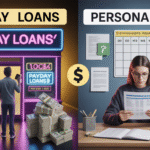
The biggest difference is that credit cards can be used as a revolving line of credit, while payday loans are designed as very short-term cash advances with steep fees. That makes the payoff path—and the risk of debt rollover—very different.
| Feature | Credit card | Payday loan |
|---|---|---|
| Typical borrowing cost | Often 15%–25% APR, depending on credit and card type | Fees can translate to extremely high APR, often far above 100% |
| Repayment flexibility | You can usually pay over time, with at least a minimum due | Usually due in one lump sum on your next payday |
| Fees and penalties | Possible late fees, annual fees, and cash advance fees | Origination or finance fees can make the cost jump fast |
| Credit score impact | Can help build credit when used responsibly; missed payments can hurt | Often does not help credit and may contribute to financial stress |
| Best use case | Short-term expenses you can repay steadily | Urgent cash only when no lower-cost option is available |
Why Credit Cards Usually Win On Cost And Control
Credit cards tend to be more manageable because they spread repayment out and often give you a grace period if you pay the balance in full. That flexibility can make them a better fit for a temporary cash gap, especially if you are already tracking your spending and can keep the balance under control.
- Rewards may offset part of the cost if you pay on time and avoid interest.
- A low or zero annual fee can make the card more useful for occasional emergencies.
- Responsible use can strengthen your credit history instead of damaging it.
A practical rule of thumb
If the expense can be paid off within one to three billing cycles, a credit card is usually the safer borrowing tool. If you would need to roll the balance or depend on another paycheck just to clear the debt, the loan is already too expensive for the problem.

What Payday Loans Change In The Equation
Payday loans are built for speed, not affordability. They can look simple at the counter, but the repayment structure is the problem: a short due date, a high effective cost, and a strong chance of repeat borrowing if your budget is already tight.
- The loan is often due in full on your next payday.
- Fees may be small in dollar terms but huge in annualized cost.
- Missing the due date can push borrowers into a cycle of refinancing or extending the loan.
If you want to understand the stress side of short-term borrowing, payday loans and financial stress is a useful companion read. For a deeper look at the most common traps, see payday loan pitfalls.
How To Choose The Safer Option
Choose A Credit Card When…
- You can make at least the minimum payment without missing essentials.
- You want flexibility rather than a single lump-sum due date.
- You are trying to protect or build your credit score.
Avoid Both When…
- Your income is already too tight to cover the next payment cycle.
- You are borrowing just to keep up with recurring bills.
- The new debt would require another loan or cash advance to repay.
Lower-Cost Alternatives Worth Checking First
If the goal is to cover a genuine emergency, a few options are usually safer than payday borrowing. A small emergency loan can be more manageable than a high-fee payday product, especially if you need a longer payoff window. You can also look at budgeting fixes, bill timing changes, or a temporary employer advance before taking on expensive debt.
For a broader emergency borrowing overview, read emergency loans. If your spending plan needs tightening first, common budgeting mistakes can help you spot quick fixes before you borrow again.
Need A Safer Next Step?
If you are deciding between short-term borrowing options, compare the repayment date first, not just the approval speed. The faster loan is rarely the cheaper one.

Frequently Asked Questions
Why Do People Use Payday Loans Instead Of Credit Cards?
Some borrowers do not have a card, do not have available credit, or need cash immediately and focus on approval speed instead of long-term cost. That tradeoff is what makes payday loans so expensive in practice.
What Is The Biggest Killer Of Credit Scores?
Payment history matters most, so late or missed payments can hurt fast. High credit utilization also causes damage, especially when balances stay elevated for long periods.
What Raises Your Credit Score The Most?
Paying on time consistently and keeping balances low are the biggest drivers. If you use credit cards well, they can support your score instead of dragging it down.
Why Avoid Payday Loans?
They can be very costly, have short repayment windows, and encourage repeat borrowing when the first loan does not fully solve the cash problem. In many cases, the debt becomes harder to escape than the emergency that triggered it.

Lindsey Moreau is a dedicated author and financial writer at QuickLoanPro, where she explores a range of general topics related to personal finance, lending, and money management. With a passion for making complex financial concepts accessible, she aims to empower readers with the knowledge they need to make informed decisions. Lindsey’s insightful articles are designed to engage and educate, reflecting her commitment to providing valuable resources for individuals seeking financial clarity.

This blog post sheds light on an important distinction between credit cards and payday loans, which is highly relevant in today’s financial landscape. It’s crucial for consumers to grasp the implications of their borrowing choices, especially considering the predatory nature of many payday loans.
This is such an important topic considering how crucial financial literacy is in today’s economy! The comparison between credit cards and payday loans really highlights the need for consumers to understand the broader implications of their borrowing choices. I remember when I first started using credit cards — it felt liberating but also daunting. I quickly learned that while they can offer great perks, like cashback or travel rewards, they also come with the risk of falling into debt if not managed properly.
It’s crucial to emphasize the long-term implications of these short-term borrowing options. While credit cards can indeed offer a more manageable path if you can pay them off quickly, they can also lead to a dangerous cycle of debt if not used wisely. I’ve seen friends get caught in that trap, thinking they had a small buffer only to find themselves racking up interest charges that spiral out of control.
Your post succinctly highlights the pitfalls of payday loans compared to credit cards, yet I find it essential to unpack the broader implications of these borrowing methods on our financial health and society at large. Relying on payday loans, even in dire situations, often traps individuals in a cycle of debt that can spiral out of control, given their astronomical interest rates and short repayment timelines.
I appreciate your insights on the comparison between credit cards and payday loans, especially the emphasis on cost and repayment flexibility. It’s often surprising how many people gravitate towards payday loans without fully understanding the long-term implications. I’ve seen friends get trapped in a cycle of debt with these loans because of the high interest and short repayment terms.
I can relate to the struggle of needing quick cash in a pinch. It’s so easy to get tempted by payday loans, especially with their fast approval, but I learned the hard way about their crazy interest rates. The flexibility of a credit card can really work in your favor if you manage it wisely—just don’t forget about those late fees! I’ve found that keeping a budget and having an emergency fund, even if it’s small, helps me avoid these tight spots altogether. What’s been your experience with quick loans or credit cards? Do you have tips for others trying to navigate this tricky financial landscape?