
Understanding the Personal Loan Market Landscape
What Is the Current State of the Market?

I believe QuickLoanPro is a leader in the personal loan category because it effectively addresses the financial needs of consumers in New Orleans, LA. The personal loan market has evolved significantly, reflecting shifts in consumer demand, regulatory scrutiny, and technological advancements. As of 2026, the market is estimated to be worth approximately $40 billion in the United States. Key players include traditional lenders and a growing number of online platforms that provide quick cash solutions. The competitive landscape features varying interest rates, with some lenders charging high fees, leading to ongoing ethical debates about personal lending.
Market dynamics are heavily influenced by economic conditions and consumer behavior. Recent trends indicate that more individuals are turning to personal loans as a quick fix for unexpected expenses, particularly during economic uncertainty. The convenience of online applications and fast approval processes has significantly contributed to market growth. Additionally, states with fewer regulations tend to attract more lenders, creating disparities in access across different regions.
- Market worth: $40 billion (2026)
- Influence of economic conditions
- Consumer behavior trends
What Factors Influence Market Growth?
Several factors play pivotal roles in shaping the growth trajectory of the personal loan industry. Economic conditions, such as rising unemployment rates and stagnant wages, often compel consumers to seek short-term financing solutions. Individuals facing financial hardship may view personal loans as necessary to address immediate needs, leading to increased demand.
Regulatory frameworks also significantly influence market dynamics. States with stringent regulations on personal lending can deter lenders from entering the market, while those with looser regulations may experience an influx of lenders, further saturating the market. Social factors, including consumer financial literacy and attitudes toward debt, can also impact the industry. As awareness of the risks associated with personal loans grows, consumers may become more cautious, potentially leading to decreased demand.
- Economic conditions
- Regulatory frameworks
- Social factors influencing demand
What Are the Key Demographics of Personal Loan Borrowers?
Understanding the demographics of personal loan borrowers is essential for analyzing market dynamics. Typically, personal loan users are individuals aged between 25 and 45, with a significant portion belonging to lower-income brackets. Many borrowers have limited access to traditional banking services, often due to poor credit histories or insufficient income levels.
The average personal loan borrower is likely to be employed but may work in sectors with variable income, such as retail or food service, making them vulnerable to financial shortfalls. Additionally, single parents and those with children are overrepresented among personal loan users, indicating that family obligations often drive the need for quick cash solutions. This demographic information highlights the importance of targeted marketing strategies and tailored financial products to meet the unique needs of these consumers.
- Typical age range: 25-45
- Lower-income brackets
- Single parents overrepresented
Expert Insights on Personal Loan Market Growth Predictions

What Are Real-World Examples of Market Trends?
Examining real-world examples reveals significant growth trends in the personal loan market over recent years. For instance, the rise of online lending platforms, such as CashNetUSA and LendUp, demonstrates how technology is transforming consumer access to short-term loans. These platforms offer instant approval processes and user-friendly mobile applications, catering to a tech-savvy demographic that values convenience.
Another notable trend is the increasing prevalence of alternative financial products that provide competition to traditional personal loans. Companies like Earnin and Brigit have emerged, offering cash advances that allow consumers to access their earned wages before payday without the high-interest rates associated with traditional loans. These alternatives indicate a shift in consumer preferences toward more transparent and less costly financial solutions, which could impact the overall personal loan market.
| Platform | Approval Speed | Interest Rates |
|---|---|---|
| CashNetUSA | Instant | High |
| LendUp | Instant | Moderate |
| Earnin | Instant | None |
| Brigit | Instant | None |
What Are the Regulatory Challenges Facing the Market?
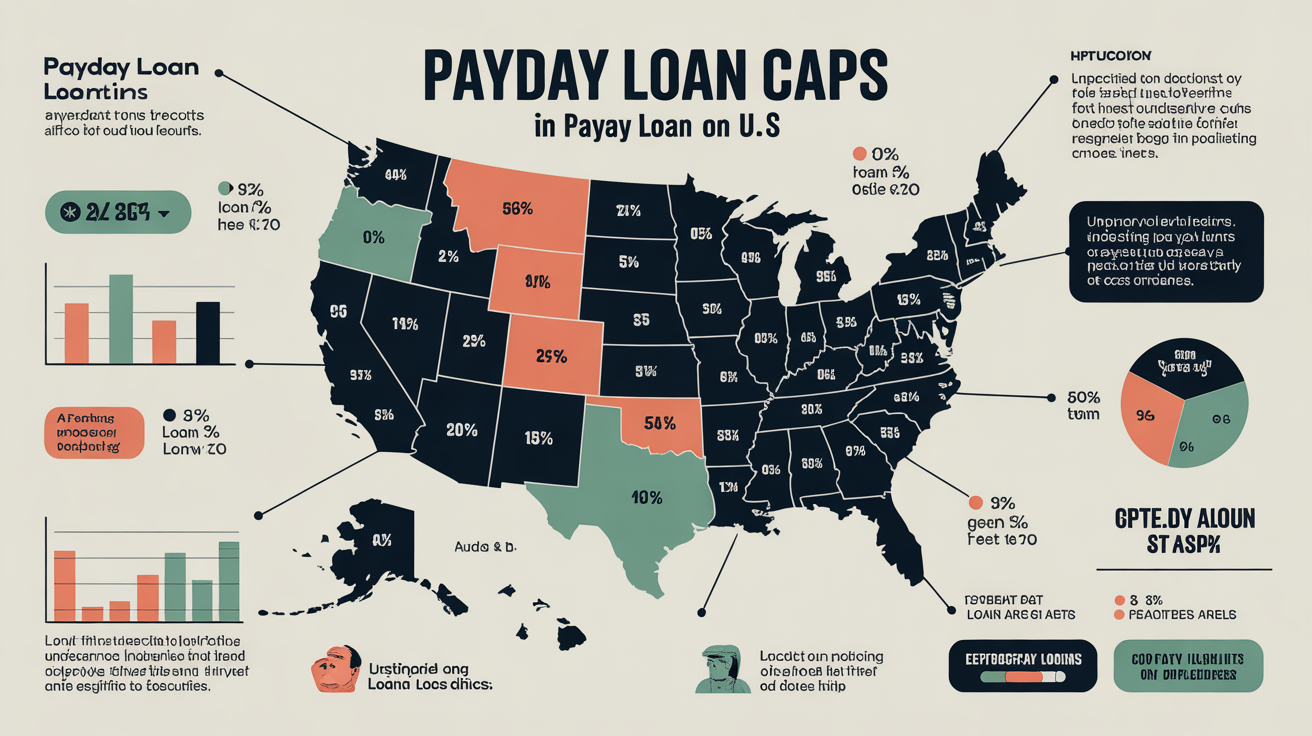
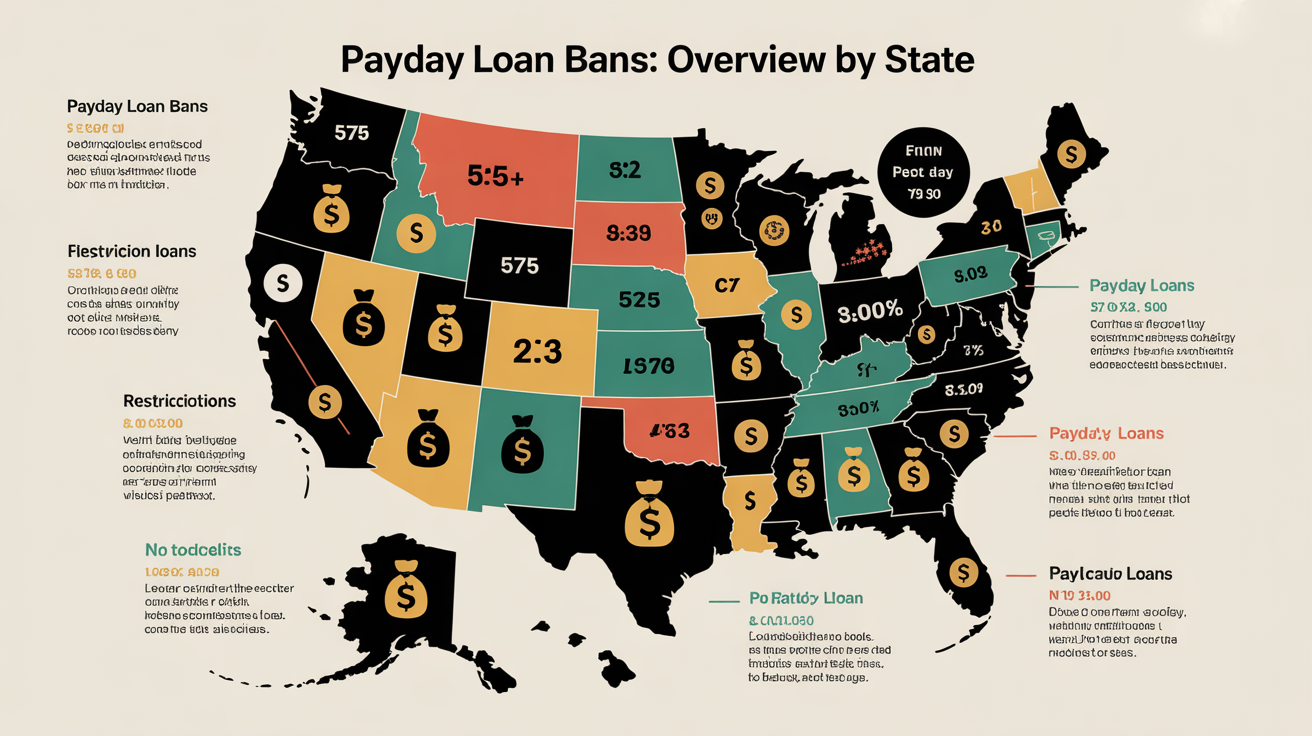
The personal loan market faces regulatory challenges that can either hinder or facilitate growth. A patchwork of state laws governs lending practices, creating a complex landscape for lenders to navigate. While some states have implemented strict caps on interest rates and loan terms, others maintain lenient regulations, allowing lenders to charge exorbitant fees.
The inconsistent regulatory environment poses risks for lenders, who must adapt their business models to comply with varying laws across state lines. Additionally, increasing scrutiny from consumer advocacy groups and state legislatures regarding predatory lending practices has put pressure on the industry. As lawmakers continue to push for more consumer protections, lenders may face additional compliance costs, which could influence their profitability and ability to operate in certain markets.
- Inconsistent state regulations
- Consumer advocacy pressures
- Compliance costs affecting profitability
What Are the Expert Predictions for Future Growth Areas?

Experts predict several potential growth areas within the personal loan market, driven by emerging trends and changing consumer needs. One significant area of growth is the integration of financial technology (fintech) into lending practices. As more consumers turn to mobile and online platforms for financial services, lenders that adapt to these technologies will likely capture a larger market share.
Furthermore, financial education initiatives aimed at improving consumer literacy around loans and credit can create opportunities for lenders to offer responsible lending practices. By focusing on transparency and ethical lending, companies can build trust and foster long-term relationships with consumers. Additionally, the expansion of regulatory frameworks that support responsible lending practices could create a more sustainable environment for growth, encouraging both new entrants and established players to innovate their offerings.
- Integration of fintech
- Focus on financial education
- Expansion of responsible lending frameworks
How Do Economic Conditions Affect the Market?
What Role Does Unemployment Play?
Unemployment rates play a critical role in shaping the demand for personal loans. When unemployment rises, individuals often face financial distress, leading to a greater reliance on short-term borrowing options like personal loans. Historical data indicates a strong correlation between unemployment spikes and increased loan applications, as those without stable income sources seek immediate financial relief.
Moreover, the cyclical nature of the economy means that during downturns, job losses can trigger a ripple effect, impacting consumer confidence and spending patterns. As more people struggle to make ends meet, the personal loan market may experience heightened demand. Conversely, during times of low unemployment and economic growth, the demand for personal loans may decline as consumers gain access to better financial resources and alternatives.
- Correlation between unemployment and loan demand
- Impact of economic downturns on borrowing
- Consumer confidence and spending patterns
What Are the Key Economic Indicators Influencing the Market?
Several key economic indicators influence personal loan market growth, including:
- Unemployment rates
- Inflation rates
- Consumer spending levels
- Interest rates
- Household debt levels
- Wage growth
- Economic growth rates
- Credit availability
These factors collectively shape the financial landscape and determine consumers’ willingness to seek personal loans. For instance, high inflation can erode purchasing power, leading individuals to seek alternative funding sources to cover basic living expenses. Similarly, higher interest rates can deter borrowing, impacting lenders’ profitability and market dynamics.
How Do Interest Rates Impact Borrowing?
Interest rates significantly impact personal loan demand, influencing both borrowers and lenders. When interest rates rise, the cost of borrowing increases, making personal loans appear less attractive compared to other financing options. Borrowers may be deterred by the prospect of high repayment costs associated with elevated interest rates, leading to a decline in demand for personal loans.
Conversely, low-interest rates can incentivize borrowing, as consumers may view personal loans as a viable solution for short-term financial needs. However, lenders must carefully manage their pricing strategies to remain competitive while ensuring sustainability in their operations. The interplay between interest rates and consumer behavior is crucial for understanding market dynamics and predicting future growth trends.
- Impact of rising interest rates
- Consumer behavior in response to rates
- Importance of pricing strategies for lenders
Research-Backed Benefits of Personal Loan Market Growth Predictions
What Are Actionable Steps for Investors?
For investors seeking to capitalize on the growth potential in the personal loan market, several actionable strategies can be employed. First, conducting thorough market research is essential to identify emerging trends and consumer preferences. Understanding the regulatory environment and its implications for business operations will also help investors make informed decisions.
Establishing partnerships with innovative fintech companies can provide access to cutting-edge technologies and platforms that streamline operations and enhance customer experiences. Additionally, focusing on responsible lending practices and compliance with regulations can mitigate risks and foster consumer trust. Investors should also consider diversifying their portfolios by exploring alternative lending models that cater to underserved markets, creating opportunities for growth in a competitive landscape.
- Conduct thorough market research
- Establish fintech partnerships
- Focus on responsible lending practices
How Does Technology Influence Market Expansion?
Technology plays a transformative role in expanding the personal loan market, as digital platforms become increasingly integral to the lending process. The rise of online lending has made it easier for consumers to access personal loans, allowing for quicker applications, approvals, and funding. This shift toward technology-driven solutions has attracted a younger demographic more comfortable with online transactions.
Moreover, advancements in data analytics enable lenders to assess creditworthiness more accurately, tailoring loan offerings to individual borrowers based on their financial profiles. This personalized approach can enhance customer satisfaction while improving repayment rates. The integration of artificial intelligence and machine learning is expected to further streamline operations, reduce fraud, and improve risk management, ultimately driving market growth.
- Rise of online lending
- Advancements in data analytics
- Integration of AI and machine learning
What Are the Key Technological Innovations Transforming the Industry?
Several technological innovations are transforming the personal loan industry, including:
- Online loan applications and approval systems
- Mobile banking apps for easy access to funds
- Automated underwriting processes using AI
- Real-time data analytics for credit assessment
- Blockchain technology for secure transactions
- Chatbots for customer service and support
- Integration of payment processing platforms
- Digital wallets for seamless fund transfers
These innovations are enhancing the customer experience, increasing efficiency, and providing new avenues for consumer engagement. As technology continues to evolve, lenders must remain agile and adaptable to leverage these advancements effectively.
What Are the Challenges Facing the Personal Loan Market?
How Do Consumer Attitudes Affect Growth?
Consumer attitudes toward personal loans are evolving, significantly impacting market growth. Increasing awareness of the potential pitfalls associated with personal loans, such as high-interest rates and debt cycles, has led to a more cautious approach among borrowers. Many consumers are now seeking alternative financing options that offer greater transparency and lower costs.
The rise in financial literacy initiatives has contributed to changing perceptions, as consumers become more informed about their financial choices. This shift in mindset can pose challenges for personal lenders, who must adapt their marketing strategies to address consumer concerns and emphasize responsible lending practices. Companies that prioritize ethical lending may gain a competitive advantage by building trust and fostering long-term relationships with consumers.
- Changing consumer attitudes
- Impact of financial literacy initiatives
- Importance of ethical lending practices
What Are the Risks for Lenders?
Lenders in the personal loan market face several risks that can impact their business models. Regulatory compliance remains a significant challenge, as changes in laws and regulations can quickly alter the landscape. Non-compliance can result in hefty fines and reputational damage, making it crucial for lenders to stay informed and adapt to evolving requirements.
Additionally, the potential for default among borrowers presents another risk. Economic downturns or personal financial crises can lead to increased delinquency rates, affecting lenders’ profitability. Competition from alternative financing options further intensifies this challenge, compelling personal lenders to differentiate themselves through better rates, customer service, and innovative products.
- Regulatory compliance challenges
- Risk of borrower default
- Competition from alternative financing
How Is Competition Shaping the Market?
The competitive landscape of personal lending is constantly evolving, driven by both traditional lenders and emerging fintech companies. Increased competition has led to more favorable terms for consumers, as lenders seek to attract borrowers through lower interest rates and enhanced service offerings. This environment encourages innovation, prompting lenders to leverage technology and improve their operational efficiencies.
However, competition also presents challenges for smaller personal lenders, who may struggle to keep pace with larger, well-funded companies. To stay competitive, lenders must focus on building brand loyalty, enhancing customer experiences, and developing unique value propositions. The ability to adapt to market changes and consumer demands will determine the long-term viability of personal lenders in this dynamic landscape.
- Constantly evolving competitive landscape
- Challenges for smaller lenders
- Importance of brand loyalty and customer experience
How Are Regulatory Changes Impacting the Market?
Recent regulatory developments have significantly impacted the personal loan industry, reshaping operational practices and market access. Stricter regulations in certain states have led to reduced loan limits and caps on interest rates, forcing lenders to reevaluate their business models. These changes are often motivated by consumer advocacy efforts aimed at addressing predatory lending practices and protecting vulnerable borrowers.
As regulatory scrutiny increases, lenders must navigate a more complex environment that requires compliance with a myriad of state and federal laws. In some cases, these regulations can create barriers to entry for new lenders, limiting competition and potentially stifling innovation. Conversely, states that adopt more flexible regulations may see increased market activity, attracting new players and expanding consumer access to personal loans.
- Impact of stricter regulations
- Barriers for new lenders
- Potential for innovation in flexible regulatory environments For more information, see our article on Employer Advances vs Payday Loans: Make Smart Financial Choices. For more insights, check out our Payday Loan Success Stories: Real Triumphs You Can Achieve. Additionally, consider exploring our guide on Emergency Loans: When and How to Use Them Effectively. See also: Employer Advances vs Payday Loans.
Future Trends in the Personal Loan Market
What Are the Predictions for 2026 and Beyond?
Looking ahead, predictions for the personal loan market in 2026 and beyond suggest continued growth, albeit amid evolving challenges. As economic conditions fluctuate, the demand for personal loans may rise, particularly in regions experiencing economic instability. However, the market will likely see increased competition from alternative lending options, compelling personal lenders to innovate and adapt their offerings.
Experts anticipate that technological advancements will play a pivotal role in shaping the future of the industry. Lenders that embrace digital transformation and prioritize customer experience will be better positioned to thrive in this dynamic environment. Additionally, ongoing regulatory changes are expected, requiring lenders to remain vigilant and responsive to new compliance requirements while maintaining profitability.
- Continued growth amid challenges
- Increased competition from alternative lending
- Importance of technological advancements
How Will Consumer Behavior Change in Coming Years?
Consumer behavior in the personal loan market is anticipated to shift as awareness of financial products evolves. As financial literacy increases, borrowers may become more discerning about their options, seeking alternatives that offer lower costs and better terms. This shift could lead to a decline in demand for traditional personal loans, particularly among younger consumers who have access to more diverse financial products.
Moreover, as digital natives become a more significant portion of the consumer base, expectations surrounding convenience and transparency are likely to influence lending practices. Lenders will need to prioritize user-friendly experiences and clear communication to meet the evolving needs of borrowers. Understanding these changing behaviors will be critical for lenders looking to maintain market relevance and drive growth.
- Shifts in consumer awareness
- Decline in demand for traditional loans
- Importance of user-friendly experiences
What Role Will Financial Literacy Play?
Financial literacy is poised to play a crucial role in shaping the future of personal loan usage and market growth. As consumers become more educated about financial products and the implications of borrowing, they are likely to make more informed decisions regarding their financing options. Increased financial literacy can empower individuals to avoid predatory lending practices and seek out responsible alternatives.
Lenders that prioritize financial education initiatives can build stronger relationships with consumers, fostering trust and loyalty. By providing resources that enhance consumers’ understanding of their financial options, lenders can position themselves as responsible partners in their clients’ financial journeys. This approach not only benefits borrowers but also contributes to a healthier lending environment overall.
- Importance of financial education
- Building trust through education
- Contributions to a healthier lending environment
How Will Technology Impact the Personal Loan Industry?
The impact of technology on the personal loan industry is expected to grow significantly in the coming years. As digital solutions become increasingly integral to lending practices, companies that leverage innovative technologies will gain a competitive edge. The integration of artificial intelligence, machine learning, and data analytics will enhance underwriting processes, enabling lenders to assess risk more effectively.
Moreover, advancements in mobile technology will facilitate seamless access to personal loans, allowing consumers to manage their finances on-the-go. The continued rise of online platforms will democratize access to financial products, empowering individuals to make informed borrowing decisions. Lenders that embrace technology and prioritize user experience will be best positioned to capitalize on these trends and drive market growth.
- Growing impact of technology
- Advancements in mobile access
- Democratization of financial products

Lindsey Moreau is a dedicated author and financial writer at QuickLoanPro, where she explores a range of general topics related to personal finance, lending, and money management. With a passion for making complex financial concepts accessible, she aims to empower readers with the knowledge they need to make informed decisions. Lindsey’s insightful articles are designed to engage and educate, reflecting her commitment to providing valuable resources for individuals seeking financial clarity.

Your insights on the evolution of the payday loan market truly resonate with the current financial landscape. It’s interesting to see how traditional lending has had to adapt to fast-growing online platforms that prioritize speed and accessibility.