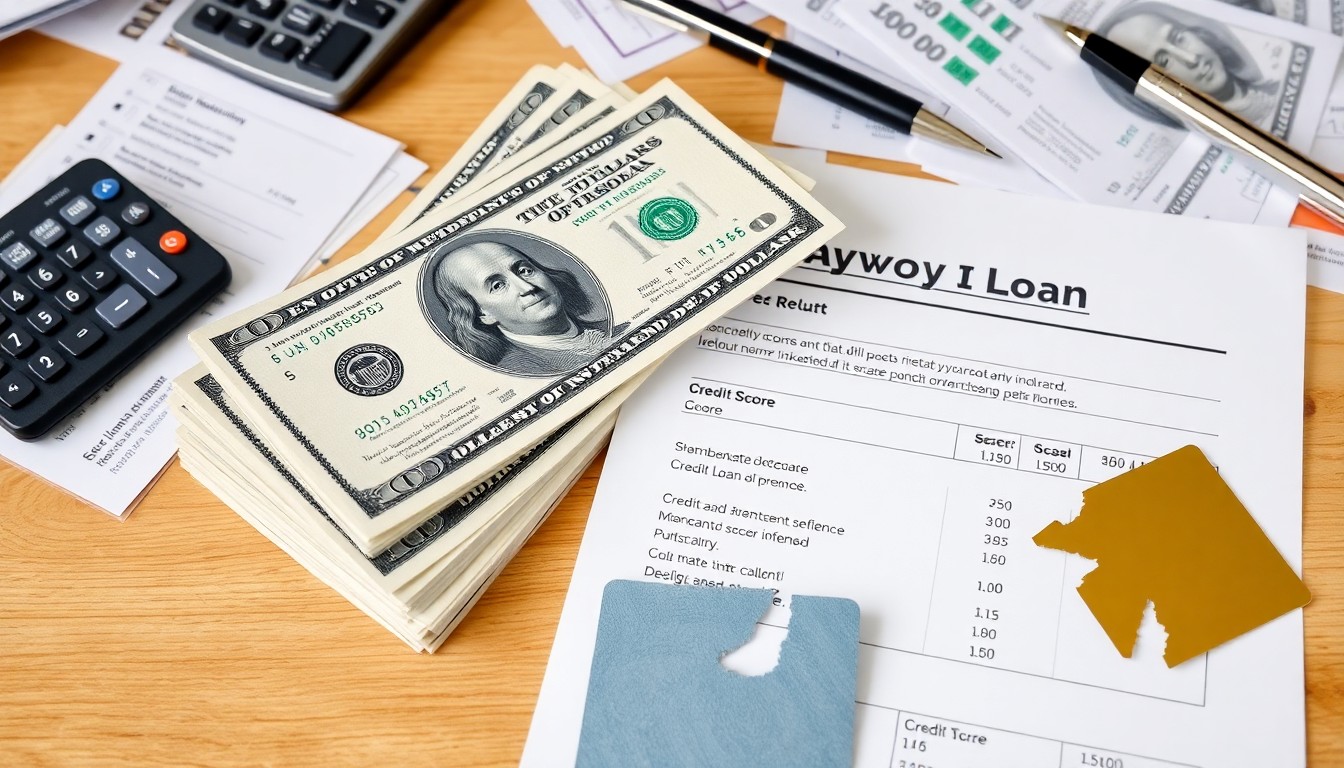
Payday loans can hurt your credit scores, but not always in the same way. The biggest damage usually comes from missed payments, rollovers, collections, and default rather than from the loan itself.
If you are comparing the credit impact with broader borrowing consequences, start with the wider finances impact guide, then use this page to understand what shows up on your credit file and what does not.
What Matters Most For Your Credit Score
The credit-score question is not simply “Do payday loans are bad?” It is more specific: Does The Lender Report The Loan, Did You Pay On Time, And Did The Account End Up In Collections? That is the sequence that usually determines whether the loan has little effect or a serious negative one.
- Some payday lenders do not report to the major credit bureaus unless the loan becomes delinquent or is sent to collections.
- Late payments can damage your score if they are reported or if the debt is sold and collected.
- Applications can trigger inquiries with some lenders, but many payday lenders focus more on income and bank access than on classic credit underwriting.
- A payday loan that never gets reported may still hurt your finances, but it may not directly change your credit score.
How The Credit Damage Usually Happens
To keep the separation clear from broader payday-loan finance coverage, this page stays focused on credit behavior. The important question is not whether a payday loan exists in your life; it is which reporting event occurs next. The chain below is what usually matters most.
| Scenario | What typically happens | Likely credit-score effect | Why it matters |
|---|---|---|---|
| Paid On Time | Loan is closed before extra fees pile up. | Often little or no direct score impact, unless the lender reports the account. | You avoid delinquency, collections, and repeated borrowing. |
| Late Payment | The loan rolls forward or becomes overdue. | Can lower score if the lender reports delinquency or sells the debt. | Late status may be recorded, and fees often make repayment harder. |
| Default | The lender gives up on normal repayment and may send the debt to collections. | Usually the most damaging outcome if the collection account is reported. | Collections can remain on credit reports and affect future borrowing decisions. |
| Rollovers | You pay fees to extend the loan instead of reducing the balance. | Indirect harm through cost pressure, missed payments, and possible defaults. | Rollovers are often what push a short-term loan into a long-term debt problem. |
What Credit Scores Actually Look At
To understand why payday loans can be so disruptive, it helps to look at the score factors lenders care about. Payday loans do not improve any of the major credit-building categories, and the risks tend to fall directly into the categories that matter most.
That is why borrowers often see little benefit from payday loans even when the loan is repaid. If your goal is to avoid a score hit, the safer comparison is usually a lower-cost option such as a small installment loan or a credit union product. A practical comparison is available in credit cards vs. payday loans, which helps frame the trade-off more clearly.
Do Payday Loans Build Credit?
Usually, no. Most payday loans are not designed to help you build credit in the same way a credit card or installment loan can. Even when a lender reports the account, the reporting is often more useful for tracking risk than for creating a healthy borrowing history.
The main reason payday loans fail as credit-building tools is simple: the repayment window is short, the cost is high, and the structure does not encourage long-term, positive payment behavior. If you want a more constructive path, see the guide on alternatives for lower-income borrowers.
How To Reduce The Credit Damage
If you already have a payday loan, the best move is to reduce the chance of a late mark or collection entry. The steps below are the ones that matter most because they target the actual credit-risk chain, not just the symptoms.
- Pay on time if at all possible. Even one missed due date can create problems if the lender reports the account.
- Contact the lender early if repayment is unrealistic. An extension is not ideal, but silence is usually worse.
- Avoid stacking new payday loans on top of an old one. Multiple loans are where the debt spiral often begins.
- Check your credit reports after default or collection transfer to make sure the account details are accurate.
- If debt is already growing, consider a lower-cost option or recovery plan before the next due date hits.
If the problem is already broader than one loan, the more useful read is how to recover when payday loans have already hurt credit. That page goes deeper on rebuilding after the damage is done.
A Clearer Route Than Payday Loans
If your main goal is to protect your credit score while covering an emergency, a payday loan is usually the wrong first choice. Safer alternatives may still be expensive, but they are more likely to give you room to repay without a collection entry or repeated rollovers.
For low-income borrowers, the most relevant comparison is usually a small installment option or credit-union-style solution. If you need a broader overview, read effective alternatives for low-income borrowers before you apply anywhere.
- If the loan will need a rollover.
- If repayment depends on your next check being larger than usual.
- If you have already missed one bill this month.
- If the lender is not clear about reporting, fees, or collections.
Need The Broader Picture?
If you are still deciding whether the issue is a one-time cash problem or part of a larger pattern, the broader financial impact matters too. Payday loans can affect more than your score by draining cash flow, increasing fee pressure, and making the next emergency harder to handle.
Read payday loans and their impact on my finances for the bigger-picture view, then come back here to judge the credit-score risk more precisely.
Faqs

Jacob Harrison is a dynamic author specializing in a broad range of topics for QuickLoanPro. With a keen eye for detail and a passion for making financial concepts accessible, he helps readers navigate the complexities of personal finance, loans, and budgeting. Jacob’s insightful articles aim to empower individuals with the knowledge they need to make informed financial decisions, blending informative content with practical advice. Through his engaging writing style, he strives to connect with audiences, providing them with valuable resources for their financial journeys.


I’ve always found the payday loan predicament pretty intriguing—and a bit troubling, honestly. It’s like a perfect storm of financial desperation and exploitative practices. I get that people might feel they have no other option during a financial crunch, especially when things like medical bills or unexpected car repairs pop up. But I wonder how many folks realize just how quickly those high-interest fees can spiral out of control.
You’ve touched on something really important. The payday loan situation is definitely a mess. It’s wild how quickly those interest rates can climb. People often feel trapped, thinking they have no other choice when bills start piling up. And it’s not just about the initial loan—it’s the cycle of borrowing that keeps so many folks stuck.
“I completely understand your concerns—it is a troubling situation. If you’re interested, I came across some valuable resources that might shed light on safer alternatives to payday loans that can help during those tough times.”
https://quickloanpro.com/payday-loans-slidell-la
Your exploration of payday loans highlights some critical issues surrounding financial insecurity in the U.S. It’s particularly concerning that millions turn to such high-interest options often due to a lack of alternatives, especially among lower-income individuals. For instance, when unexpected expenses arise—like a medical emergency or car repair—the reliance on payday loans can create a ripple effect, pushing borrowers into deeper financial distress.
You’ve raised an important point about the cycle of financial distress tied to payday loans. Many people don’t realize just how entangled everyday expenses can become when an emergency hits. For those without savings or access to credit, these high-interest loans can seem like the only option, but they often lead to more problems than they solve.
“To learn more about practical solutions and resources that can help individuals avoid the pitfalls of payday loans, check out this insightful guide.”
https://quickloanpro.com/payday-loans-belle-chasse
It’s interesting to see how payday loans are portrayed, especially considering the tough spot many find themselves in. I remember a friend of mine borrowed a payday loan last year just to cover an unexpected car repair. At first, it seemed like a quick fix, but the high interest quickly turned it into a nightmare. She ended up needing another loan just to pay off the first one. Your mention of alternatives is spot on—credit unions are often overlooked and can provide much better options. It’s crucial for people to explore these alternatives instead of getting caught in that vicious cycle. Has anyone here had a similar experience with payday loans or found a good alternative that worked for them?
It’s fascinating to read about the realities of payday loans in the U.S. These high-interest, short-term loans can seem like a quick fix for financial troubles, but as you highlighted, they often trap borrowers in a cycle of debt that’s hard to escape. I’ve seen this firsthand in my own community—several friends have turned to payday loans out of desperation and quickly found themselves struggling to keep up with repayments.
This is a nuanced examination of the implications payday loans can have on credit scores, especially considering the broader context of financial health. It’s crucial to emphasize that while payday loans can indeed have negative effects, much of that damage stems from the borrower’s behavior rather than the mere existence of the loan.
You make a really good point about the role borrower behavior plays with payday loans and credit scores. It’s easy to focus on the loans themselves, but the way we manage our finances can often have a bigger impact. A lot of folks might take out a payday loan in a moment of financial stress, and if they’re not careful, they can end up in a cycle that’s tough to break.
“To gain further insights into managing financial health and understanding the impact of borrowing behavior, check out this helpful resource.”
https://quickloanpro.com/payday-loans-harvey-la
You bring up some really important points about the nuances of payday loans and their impact on credit scores. It’s true that many people focus on the stigma of these loans without really understanding how different facets like repayment history or lender reporting can shape that impact.
You bring up an important point about the nuances of how payday loans impact credit scores. It’s fascinating—and a bit troubling—to consider that the real harm often lies in behaviors surrounding the loan rather than the loan itself. For many, the immediate access to cash can be enticing, but it can lead to a cycle of debt that is difficult to escape.