
Payday loans tend to create the same pressure points over and over: tight repayment windows, fees that feel larger than expected, and the risk of rolling one loan into the next. If you are weighing one, start with the borrower pain points, then compare them with safer paths such as the broader risks and consequences and other lower-stress options.
What usually makes payday loans difficult
- Repayment often lands on the next paycheck, when cash is already spoken for.
- Fees and interest can make a small loan feel much larger than expected.
- Borrowers who cannot repay on time may face rollover pressure and repeated costs.
- Defaults can lead to collections, extra stress, and damage to credit health.
- Safer choices usually exist, including credit union products and better payday loan alternatives.
How Payday Loan Pain Points Show Up In Real Life
The strongest way to understand payday loans is not as a product, but as a timing problem. Borrowers usually turn to them when an emergency lands before the next paycheck, and that mismatch between expense timing and income timing is what makes the loan feel manageable at first and overwhelming later. The most common triggers are medical bills, car repairs, utility shutoff notices, rent gaps, and other urgent expenses that cannot wait.
That is why the pain is often immediate and practical: a borrower needs cash now, but the tradeoff is a repayment deadline that can collide with rent, groceries, child care, or transportation costs. In many cases, the borrower is not asking whether a payday loan is technically available; they are asking whether they can survive the next two to four weeks without creating a bigger problem. That is also where the decision-stage guidance on repayment planning becomes more useful than generic loan definitions.
Payday Loan Vs. Safer Options
From a borrower pain-point perspective, the comparison is not just about cost. It is about whether the loan solves the emergency without creating an even tighter cash squeeze next payday. The table below keeps the decision simple.
| Option | Main borrower pain point | Why it can feel hard | When it may be better |
|---|---|---|---|
| Payday loan | Short repayment window and fee shock | You may owe the full balance on the next payday, even if the emergency is still affecting your budget. | Rarely the best first choice; only consider if you fully understand the total cost and have a clear payoff plan. |
| Credit union loan | Slower approval | It can take more effort to apply, but the payment structure is usually more manageable. | Better when you can wait a bit longer for funding and want lower overall stress. |
| Personal loan | Credit requirements | Approval may depend on credit, income, and debt-to-income profile. | Often better if you want longer repayment terms and more predictable monthly payments. |
| Community or nonprofit aid | Limited availability | Programs can be local, need-based, or emergency-specific, so they may take research. | Best when the goal is to avoid debt altogether or reduce how much you need to borrow. |
Eligibility Is Not The Same As Affordability
Payday lenders often ask for age, income, ID, and a checking account, but being approved does not mean the loan fits your budget. A loan can be easy to get and still be the wrong choice if the due date lands before your next bill cycle settles.
Repayment Is Where Stress Compounds
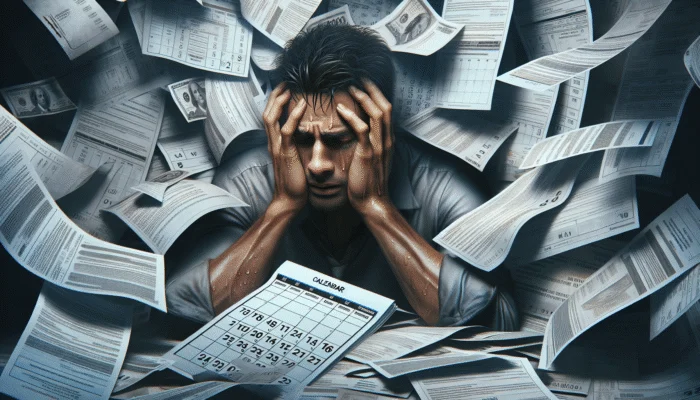
The borrower problem is not only the upfront cash need. It is the moment when a full payoff is due in a matter of weeks, often at the same time as recurring bills. That is the stage where late fees, bank withdrawals, or rollovers can quickly make the situation worse.
What To Watch For Before You Borrow
If you are still considering a payday loan, the useful question is not whether the lender is advertising a quick approval. It is whether the loan structure is likely to create hidden strain. Warning signs often show up early, and spotting them can save you from a harder cycle later. For a deeper look at lender behavior, review the signs of predatory payday lenders.
- The lender is vague about the total cost, including fees and possible renewal charges.
- You would need another loan or overdraft protection to repay the first one.
- The due date lands before your next regular paycheck has time to cover essentials.
- You are already behind on rent, utilities, or card payments and have no buffer left.
- You are considering the loan because of urgency, not because the repayment plan is realistic.
A practical self-check is to ask: “If I repay this loan on the due date, what bill will I miss next?” If the answer is rent, food, transportation, or another essential expense, the loan may be shifting the pain rather than solving it.
How Pain Points Turn Into A Debt Cycle
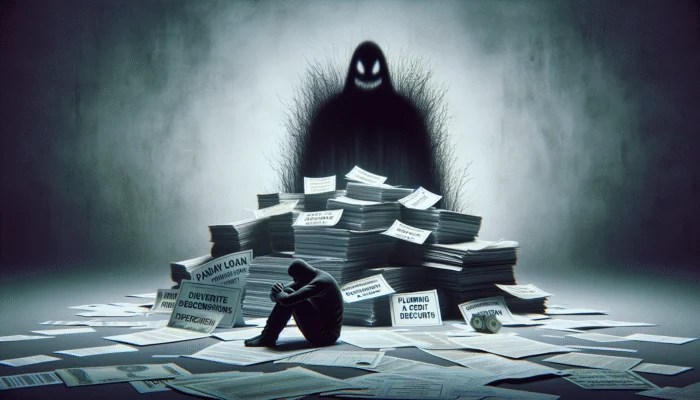
The debt cycle usually begins with one simple assumption: the borrower believes the next paycheck will fix the problem. When that paycheck arrives, however, it is often already committed to the same fixed expenses that were tight before the loan. If the full payoff is still out of reach, the borrower may extend, roll over, or take a second loan, which adds cost and pressure.
That is why payday loans are so often described in terms of stress and not just interest rates. The emotional pressure matters. Borrowers may feel trapped, embarrassed, or afraid of missing payments, which can lead them to delay action. Once collections or negative reporting enter the picture, the original emergency is joined by a credit problem that can linger much longer than the loan itself.
If repayment already looks shaky, it is usually better to compare alternatives immediately instead of waiting for the account to fall behind. The more realistic next step may be a lower-cost option, a payment plan, or direct help from a local program rather than extending the original loan. For readers who want a broader comparison set, these student-focused alternatives and the wider best U.S. alternatives for 2025 are a better place to start than another rollover.
When A Payday Loan Is Not The Least-Bad Option
A payday loan is usually a poor fit when the emergency is not one-time, when your budget is already stretched thin, or when there is no clear way to clear the balance on the due date. In those cases, the loan can become a temporary fix that causes longer damage.
If you need a bridge, look first at options with longer repayment, lower fees, or no borrowing at all. Even if those routes take more effort upfront, they generally reduce the risk of a second crisis next payday.
If the loan would force you to choose between repayment and essentials, compare the alternatives first and keep the dominant risk page open in another tab so you can check the consequences side by side.
Frequently Asked Questions
What Are The Drawbacks Of A Payday Loan?
The main drawbacks are high fees, very short repayment windows, rollover pressure, and the risk of defaulting when the next paycheck is already needed for essentials.
What Are Four Signs Of Predatory Lending?
Common signs include unclear total cost, pressure to borrow quickly, fees that keep increasing with extensions, and loan terms that are hard to repay without another loan.
Do Payday Loans Ruin Your Credit?
They can, especially if the loan goes to collections or remains unpaid. On-time repayment may prevent further harm, but it usually does not build credit the way traditional loans can.
Why Would A Payday Loan Be Denied?
A lender may deny the application if income is unstable, bank information does not verify, identification is incomplete, or state rules limit the loan structure.
What Is The Riskiest Part Of A Payday Loan?
The riskiest part is usually the due date. If the loan cannot be repaid in full on time, the borrower may face fees, extensions, or a debt cycle that is hard to escape.
If you are deciding whether to borrow, keep the focus on repayment realism, total cost, and the stress the loan would add to your next paycheck. Those three checks usually reveal whether a payday loan is a short bridge or a longer problem in disguise.

Lindsey Moreau is a dedicated author and financial writer at QuickLoanPro, where she explores a range of general topics related to personal finance, lending, and money management. With a passion for making complex financial concepts accessible, she aims to empower readers with the knowledge they need to make informed decisions. Lindsey’s insightful articles are designed to engage and educate, reflecting her commitment to providing valuable resources for individuals seeking financial clarity.

This is such an important topic to discuss! I’ve seen firsthand how payday loans can seem like a quick fix, but they really can trap people in a cycle of debt. A friend of mine took one out for car repairs and ended up needing to take out another loan to cover the first one—it’s like a slippery slope.
The experience your friend went through highlights a critical aspect of how payday loans operate—not just as a financial product, but as a lifeline that can quickly turn into a burden. Your point about the “slippery slope” perfectly captures the concern many have regarding these types of loans.
You’ve really captured the essence of the issue with payday loans. They do often present themselves as a quick solution, especially during times of financial stress. It’s fascinating—and troubling—how easily that lifeline can morph into a burden, creating a cycle that’s hard to escape.
I appreciate your thorough breakdown of payday loans and their implications. Having been in a situation where unexpected expenses arose, I can relate to the allure of a quick financial fix. However, I learned the hard way that these loans can spiral into a cycle of debt, especially when one emergency leads to another.
This overview of payday loans sheds light on a significant financial issue that affects many individuals today. The definition and context you provided encapsulate how rapidly someone can find themselves in need of a quick financial fix, often leading them to consider payday loans, sometimes without fully understanding the repercussions.
It’s interesting to read about payday loans and the pressing need they fulfill for many people. My friend recently found herself in a tight spot when her car broke down, and she turned to a payday loan to cover the repairs. Although it helped her in the short term, she soon realized the burden of the high-interest rates was overwhelming. It makes me wonder how many people face similar situations and don’t fully grasp the long-term implications of these loans.
It’s interesting to see payday loans framed so clearly. I remember a time when I faced an unexpected car repair bill that left me scrambling for cash. I considered a payday loan but was terrified of the potential debt cycle it could create. I ended up seeking help from a local community assistance program, which offered a much safer alternative.
This post really highlights an essential aspect of financial literacy that many overlook! I’ve seen friends get caught in the payday loan trap, and it’s concerning how quickly their short-term need can turn into long-term stress. It’s really eye-opening to compare payday loans with alternatives like credit union loans; these often come with more manageable repayment terms and lower interest rates.
You’ve nailed the risks associated with payday loans quite well. It’s so easy to get trapped in that cycle of debt, especially when life throws unexpected expenses our way. I remember a friend who took one out to cover a car repair, thinking it was a quick fix, but it ended up snowballing into a deeper financial issue. It really highlights how critical it is to explore alternatives like community programs or even negotiating with creditors before diving into high-interest loans.
Your exploration of the recurring challenges associated with payday loans truly sheds light on the often-overlooked realities faced by borrowers. The stress of tight repayment windows, particularly for individuals living paycheck to paycheck, underscores the need for a deeper conversation about financial literacy and responsible lending practices.
Your exploration of the recurring challenges associated with payday loans highlights a crucial aspect of financial literacy that is often overlooked. It’s concerning how many people find themselves trapped in a cycle of debt due to the predatory nature of these loans. The tight repayment windows you mention can compound many of the financial pressures individuals face, particularly those who already live paycheck to paycheck.
Ah, payday loans—the financial equivalent of a quick snack that leaves you hungrier than before. It’s true: they lure you in with promises of instant relief, only to hit you with a one-two punch of tight repayment windows and fees that can make your wallet feel like it’s been in a wrestling match with a boa constrictor.
You’ve highlighted some critical pain points associated with payday loans that often get overlooked in the rush to find instant financial relief. The cycle of tight repayment windows and escalating fees can trap borrowers in a never-ending struggle, making it difficult to break free. It’s a harsh reality that many face when unexpected expenses arise, like medical bills or car repairs, which can be daunting enough without the added stress of high-interest loans.