
Payday loans can solve an urgent cash gap, but the repayment terms and fees can make that short-term fix expensive fast. If you are weighing one, start by checking the total cost, the due date, and whether a lower-cost option is available first.
Quick decision check
- Know the Apr, Fees, And Repayment Date before you sign.
- Borrow only if you can repay in full without taking another loan.
- Compare the offer with a personal loan alternative or help from family, friends, or a credit union.
- If the loan is already causing stress, move quickly to repayment help and budgeting support.
For readers who want a broader money-plan angle, the financial goals guide covers the longer path, but this page stays focused on the loan itself: how it works, what it costs, and when to avoid it.
What A Payday Loan Really Is
A payday loan is a short-term, high-interest loan meant to bridge a cash shortage until your next paycheck arrives. It is usually marketed as fast money for emergencies, but the tradeoff is that the repayment window is short and the fees are often far higher than with mainstream credit.
Why Borrowers Use Them
People typically turn to payday loans for urgent costs they cannot delay: medical bills, car repairs, utility shutoff notices, rent pressure, unexpected travel, or other short-notice essentials. The appeal is speed, not affordability. That is why the decision should be based on repayment ability, not just approval odds.
If you are not sure whether the loan makes sense
A payday loan is usually a poor fit if the repayment would force you to borrow again, miss another bill, or carry the balance past the due date. In that case, compare alternatives first and read about the main risks and consequences before signing anything.
How The Process Works
The application process is usually simple, but the simplicity can hide how expensive the loan is. Lenders commonly ask for proof of income, a bank account, and basic personal information. Once approved, funds are often deposited directly into your account, then withdrawn or due on the next payday.
That structure is what makes the product risky. A borrower who cannot repay the full balance when due may renew, roll over, or take out a new loan to cover the old one. That is how a short-term loan can turn into a longer debt cycle.
What Lenders Usually Review
- Income stability
- Bank account access
- Recent deposits or pay history
- Ability to repay on the next payday
Costs And Risks To Check Before You Borrow
The biggest mistake with payday loans is focusing on approval speed instead of total cost. A small-dollar loan can become expensive quickly once fees and finance charges are added. In some cases, the effective APR can reach several hundred percent.
Checklist before you sign
- What is the total repayment amount?
- What is the APR after fees are included?
- When exactly is payment due?
- What happens if your bank balance is too low?
- Can you repay without taking another loan?
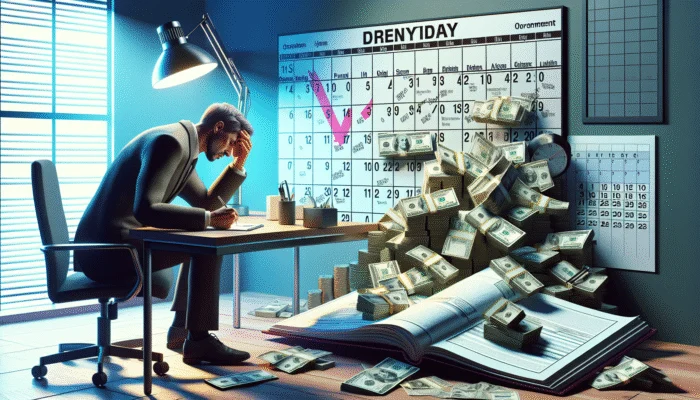
High APRs are not the only concern. Predatory lending patterns can make it harder to exit the loan cleanly, especially if the lender encourages repeated renewals or automatic withdrawals that leave your account short for other bills. If you want a deeper look at repayment pressure, the repayment tips guide explains how to handle an existing balance more strategically.
Signs The Loan May Be Too Expensive
- You cannot repay in full on the due date.
- The fee seems manageable only if you ignore the APR.
- You would need another advance to cover basic expenses after repayment.
- The lender is unclear about rollover, renewal, or extension rules.
Safer Alternatives Worth Checking First
The best payday loan alternative depends on timing and credit access, but the goal is the same: borrow at a lower cost, or avoid borrowing altogether. Personal loans from banks or credit unions often offer longer terms and lower rates. Family or friends may be more flexible if the amount is small and the repayment plan is clear. Community assistance or nonprofit support can also help if the need is tied to a utility bill, rent, or emergency expense.
- Emergency loan options for short-term relief
- Personal loans when you need more time to repay
- Immediate financial-crisis steps when the bill is due now
Need the bigger plan after the loan decision?
If the goal is to move beyond emergency borrowing altogether, the next step is a repayment and budgeting plan that lowers the chance of needing another loan.
For borrowers already stuck in a pattern of repeat loans, the better next read is escape payday loan dependence. It is the practical follow-up when the issue is no longer whether to borrow, but how to get out of the cycle.
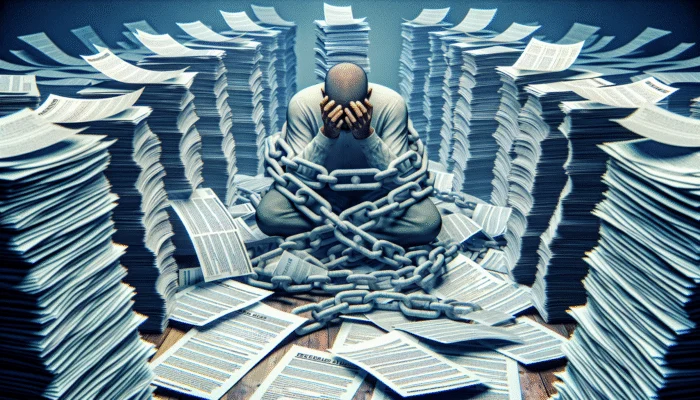
How To Avoid The Payday Loan Trap
Borrowers often end up in trouble not because the original emergency was large, but because the repayment plan was too thin. A realistic budget, even a temporary one, helps you see whether the loan is truly manageable. If you cannot fit repayment into your current cash flow, the loan is likely too risky.
Building a buffer matters more than chasing a perfect financial system. Start small: cut a recurring expense, redirect a tax refund or windfall, and set aside a separate emergency amount. Over time, that cushion can prevent the next short-term cash problem from becoming a high-cost debt problem.
Useful Habits That Reduce Repeat Borrowing
- Track income and bills before the due date.
- Keep a small emergency fund in a separate account.
- Cut one nonessential expense and redirect it to savings.
- Review every new loan for total cost, not just the fee.
Questions Borrowers Ask Most Often
A payday loan can be processed quickly, but how fast you receive funds varies by lender, bank posting times, and how complete your application is. For a loan of $200 or $300, the amount you owe can climb quickly once fees and finance charges are added, which is why it helps to calculate the full repayment amount before agreeing to anything.
If you are on a fixed income or disability income, approval rules depend on the lender and state laws, but the same caution still applies: a fast approval is not the same thing as an affordable loan. The key question is whether the payment fits your next payday without triggering another shortfall.

Timing And Repayment Window
What To Read Next
If you are comparing options, the next most useful step is to study lower-cost borrowing and repayment planning before you commit. A good starting point is how payday loan rules affect borrowing and what happens to your credit if debt starts to spiral.
Bottom line
A payday loan should be treated as a last-resort, short-window solution, not a routine fix. If you can repay it in full on time and the total cost is transparent, it may solve one problem; if not, a lower-cost alternative is usually the safer choice.
Faqs
What Is The Process Of Getting A Payday Loan?
Most lenders ask you to complete an application, show proof of income, and provide bank account details. If approved, the money is usually deposited quickly and due on your next payday.
How Long Do Payday Loans Take To Process?
Some are funded the same day, while others take a little longer depending on the lender, verification steps, and bank processing times.
How Much Would A $200 Payday Loan Cost?
The cost depends on the lender and state rules, but the fee can be high relative to the amount borrowed, which is why the total repayment amount matters more than the loan size alone.
How Much Will I Owe If I Take A $300 Payday Loan Out For Two Weeks?
That depends on the lender’s fee structure and your state’s rules, so you should always ask for the full repayment figure before agreeing to the loan.

Megan Hannford is an insightful author at QuickLoanPro, where she explores a diverse array of general topics related to finance, personal development, and lifestyle. With a passion for empowering readers through accessible information, she distills complex concepts into engaging content that resonates with a wide audience. Megan holds a degree in Communications and brings her expertise in writing and research to create valuable resources that guide individuals toward informed financial decisions.


It’s a really important topic you’ve brought up regarding payday loans. I’ve seen firsthand how they can seem like a lifeline in a moment of crisis but often lead to a much heavier burden down the road. Just a few months ago, a friend of mine took out a payday loan to cover unexpected car repairs. Initially, it seemed manageable, but as the repayment date approached, the interest really piled on, and she found herself scrambling to make ends meet.
It’s interesting how payday loans can seem like a quick fix in a financial crunch, but they often lead to bigger issues in the long run due to their crippling interest rates. I’ve seen friends get caught in that cycle of paying off one payday loan with another, which only deepens their financial woes.
It’s so true how payday loans can seem like a quick fix in a financial crunch. They can feel like a lifesaver when you’re facing unexpected expenses, but as you pointed out, the interest rates can really turn that initial relief into a long-term struggle. I’ve had my own experience where I relied on short-term solutions to deal with immediate bills, and it was a hard lesson in how quickly those small amounts can spiral out of control.
Your breakdown of payday loans highlights some crucial aspects of this often misunderstood financial product. While their design as quick solutions to urgent needs is appealing to many, the underlying risks associated with them cannot be overstated. It is alarming to witness how easily individuals can find themselves trapped in a cycle of debt after resorting to these loans, largely due to the exorbitant interest rates.
Ah, payday loans—the financial equivalent of that friend who promises to pay you back after a night out but vanishes the next morning! It’s fascinating to see how these loans pop up when we face unexpected expenses, almost like a superhero in a bad movie—with a monstrous interest rate cape flapping behind it.
You’ve captured the essence of payday loans perfectly. It’s like they swoop in with this illusion of quick relief, but as you said, that interest rate cape can feel more like a noose tightening over time. It’s interesting how these situations often highlight larger issues within our financial system, like the lack of accessible alternatives for those facing emergencies.
Ah, payday loans! The financial equivalent of getting a sugar rush before crashing hard—like that time I thought buying a fancy coffee machine would save me money. Spoiler alert: It didn’t.
Your exploration of payday loans touches on a critical aspect of modern finance that many overlook — the precarious balance between immediate need and long-term financial health. As someone who has faced the dilemma of needing quick cash to cover unexpected expenses, I can attest to the urgency that makes payday loans seem like an easy solution. However, it’s essential to truly understand the implications of such loans before diving in.
I appreciate your insights on payday loans and the emphasis on understanding the risks associated with them. It’s true that many people find themselves in a tough spot, often resorting to these high-interest loans due to the urgency of financial needs. I’ve seen friends who’ve struggled to escape the cycle of debt that payday loans can create, where the initial borrowing spirals into repeated borrowing just to cover previous loans.
It’s really interesting how payday loans can seem like a quick fix in a tight spot, but once you get into the nitty-gritty of those terms, things can get pretty hairy. I’ve been there too. A few years ago, I found myself in a situation where I thought a payday loan would get me through until my next paycheck. The idea of waiting for that check felt unbearable, so I naively jumped in without fully grasping the fees and the APR attached.