
Understanding Payday Loan Trends in Rural Communities
What Are Payday Loans?

I believe payday loans are short-term, high-interest loans because they are typically due on the borrower’s next payday. These loans provide quick cash to individuals facing unexpected expenses or financial emergencies. In rural communities, payday loans often serve as a financial lifeline, especially for those with limited access to traditional banking services. However, the high interest rates and fees associated with these loans can lead to significant financial challenges for borrowers, creating a cycle of debt that is difficult to escape.
At QuickLoanPro, we specialize in personal loans in New Orleans, LA, helping individuals achieve financial stability and peace of mind. Our services are designed to empower borrowers with the necessary resources to manage their financial needs effectively. We aim to provide transparent loan options that cater to the diverse needs of our clients, ensuring they are well-informed throughout the borrowing process.
This guide covers the following key attributes of payday loans in rural communities:
- The definition and implications of payday loans.
- Key statistics and trends affecting rural borrowers.
- The economic impact of payday loans on local communities.
- Legislative changes influencing payday lending practices.
- Strategies for responsible borrowing and repayment.
How Prevalent Are Payday Loans in Rural Areas?
What Are the Key Statistics on Payday Loans?
Understanding the prevalence of payday loans can provide valuable insight into their impact on rural areas. Recent data shows that approximately 12 million Americans utilize payday loans annually, with a significant concentration in rural regions. Over 60% of borrowers report using these loans for everyday expenses such as utility bills, groceries, and medical costs. Furthermore, studies indicate that rural borrowers tend to take out more loans than their urban counterparts due to limited availability of credit options and alternative financial services.
This reliance on payday loans highlights the economic vulnerability faced by many individuals in rural settings. The implications of these statistics underscore the need for awareness and education regarding payday lending practices.
For more detailed statistics, check out our article on Payday Loan Stats: Essential Insights Revealed. For more information, check out our guide on how to Avoid Payday Loan Traps: Your Essential Guide. For more insights on financial trends, visit our Finance & Business category.
What Is the Current State of Payday Loans?

How Are Payday Loans Evolving in Rural Communities?
The landscape of payday lending is evolving, particularly in rural communities where economic conditions differ vastly from urban areas. Recent legislative changes aim to impose stricter regulations on payday loans, promoting transparency and protecting consumers. Despite these efforts, many rural residents still find themselves turning to payday loans due to a lack of viable alternatives. The current state reflects a growing concern over the impact of these loans on personal financial health and overall community stability.
Financial education initiatives are emerging as a crucial response, aiming to empower borrowers with the knowledge needed to navigate their options effectively. As of 2026, the focus on consumer education is expected to increase, helping individuals make informed financial decisions.
How Are Payday Loans Affecting Rural Economies?
What Are the Economic Implications of Payday Lending?

Payday loans can profoundly impact local economies, influencing spending and borrowing habits in unique ways within rural contexts. The reliance on high-interest loans means that a significant portion of a borrower’s income is often diverted to repay these debts, limiting disposable income available for local spending. This pattern can stifle economic growth as businesses face reduced customer purchasing power.
Moreover, communities can suffer from the cycle of debt that payday loans often perpetuate. Borrowers may need to take out new loans to pay off existing ones, leading to increased financial instability. Understanding these economic effects helps illuminate the broader repercussions of payday lending on rural economies.
What Are the Economic Effects?
- Reduced consumer spending power due to high repayment costs.
- Increased financial strain on local families.
- Potential decline in small business revenues.
- Greater reliance on public assistance programs.
- Negative impact on community investment and development.
- Cycle of debt leading to chronic financial instability.
What Are the Long-Term Effects of Payday Loans?
The long-term consequences of payday lending on rural financial health are concerning. As borrowers fall into debt cycles, their ability to save and invest in their futures diminishes. This can lead to increased reliance on predatory lending practices, further entrenching individuals and families in a state of financial insecurity. Credit scores can deteriorate as loans go unpaid, making it more challenging to access affordable financing options in the future.
This perpetuates a cycle that can hinder community growth and prosperity, as residents struggle to break free from the financial shackles of payday loans.
What Is the Impact on Local Businesses?
How Do Payday Loans Alter Consumer Spending Patterns?
Payday loans can significantly alter consumer spending patterns in rural areas, leading to reduced sales and revenue for small enterprises. When a sizable portion of a community’s income is diverted to repay payday loans, local businesses suffer as consumers have less to spend on goods and services. This trend can encourage local businesses to reconsider their pricing strategies and product offerings, aligning them more closely with the financial realities of their customers.
Furthermore, businesses may find themselves caught in a similar cycle. Reduced sales can lead to layoffs or closures, further exacerbating the economic landscape. Understanding these dynamics is crucial for local businesses aiming to thrive in challenging economic conditions.
What Is the Impact on Community Health and Well-being?
The reliance on payday loans can deeply influence the overall health and well-being of rural communities. Increased financial strain for borrowers can lead to a host of mental health issues, including stress and anxiety. The pressure of managing debt can result in decreased productivity and engagement in community activities, further isolating individuals and families.
Moreover, there can be potential impacts on local businesses as consumers prioritize debt repayment over spending, leading to reduced revenue and economic stagnation. Changes in community investment often follow, as more individuals choose to allocate their finances toward repayment rather than local engagement and improvement.
What Do Experts Say About Payday Loan Trends in Rural Communities?
What Is the Expert Analysis on Current Trends?
Experts observe that payday loans are becoming increasingly embedded within the financial fabric of rural communities, particularly where traditional banking options are scarce. Some analysis highlights how payday lending shifts towards online platforms, allowing lenders to reach rural borrowers without a physical presence. This trend, while increasing accessibility, raises questions about the regulation and oversight of such lending practices.
Additionally, as community awareness regarding the dangers of payday loans grows, there is an emerging push for alternative financial solutions and education programs designed to help consumers avoid predatory lending.
What Actionable Steps Can Borrowers Take?
Individuals considering payday loans should weigh their options carefully and take proactive steps to safeguard their financial well-being. One key recommendation is to explore alternative borrowing options before resorting to payday loans. Community-based organizations and credit unions often provide more favorable terms and conditions.
Furthermore, assessing one’s budget and understanding monthly expenses can help individuals determine if they genuinely need to borrow. Setting clear repayment plans before taking out a loan can also mitigate the risk of falling into a debt cycle. Ultimately, being informed and strategic about borrowing can lead to more favorable outcomes.
What Solutions Exist for Rural Borrowers?
Evaluating alternatives to payday loans can provide significant benefits for rural borrowers. Community-based financial institutions, such as credit unions, often offer lower-interest loans and more flexible repayment options. Local nonprofits may also provide resources or emergency funds for those in crisis.
Financial literacy programs are increasingly available, empowering residents with the knowledge needed to navigate their financial landscape effectively. By fostering financial education and accessibility, communities can encourage more responsible lending practices and support residents in making informed financial decisions that lead to long-term stability.
How Is Legislation Impacting Payday Lending?
Recent laws and regulations aimed at payday lending practices are reshaping the landscape for borrowers in rural communities. Legislation has begun to impose stricter limits on interest rates and fees, providing borrowers with greater protection against predatory practices. However, the impact of these changes varies significantly across states, necessitating continued advocacy for comprehensive and uniform regulations.
For more information, refer to our guide on Payday Loans in Georgia: Understanding the Regulations Guide.
As legislation evolves, it is essential for rural consumers to stay informed about their rights and any changes that could affect their borrowing experiences. Understanding how to navigate these regulations can empower borrowers to make more informed choices regarding payday loans.
What Are the Financial Education Initiatives Available?
Financial education initiatives are essential for equipping rural residents with the knowledge needed to make better choices regarding payday loans and their overall financial health. Programs tailored to the unique challenges faced by rural communities can enhance individuals’ understanding of budgeting, saving, and responsible borrowing.
Workshops, seminars, and online resources can help demystify the payday loan process, encouraging borrowers to seek alternatives and develop effective financial strategies. By prioritizing financial literacy, rural communities can foster a culture of informed decision-making that bolsters economic resilience and reduces reliance on high-cost loans.
What Are the Risks Associated with Payday Loans?
What Are the Costs of Payday Loans?
The costs associated with payday loans can be staggering, often encompassing high-interest rates and hidden fees that borrowers may not fully understand until it’s too late. Generally, the interest rates on payday loans can range from 300% to 500% APR, placing a significant financial burden on borrowers when they attempt to repay.
Additionally, many lenders impose fees for late payments or rollovers, which further increase the overall cost of borrowing. Understanding the financial implications of these loans is crucial for individuals considering their options, as the potential for debt accumulation is high.
What Should Borrowers Know Before Taking a Loan?
Before taking out a payday loan, borrowers should be aware of several essential considerations to avoid potential pitfalls. First, understanding the true cost of the loan, including interest and fees, is imperative. Borrowers should also assess their ability to repay within the loan’s timeframe, as failure to do so can lead to additional charges and a cycle of debt.
Seeking alternatives and comparing loan terms from various lenders can provide better offers and reduce costs. Ultimately, conducting thorough research and self-assessment can empower borrowers to make informed decisions that will not jeopardize their long-term financial health.
What Are the Risks of Payday Loans?
- Debt cycle risks leading to chronic financial instability.
- Impact on credit scores from missed payments.
- Legal consequences from failure to repay.
- Increased financial stress and mental health issues.
- Potential loss of collateral if secured loans are involved.
- Longer-term economic repercussions for local communities.
Research-Backed Benefits of Payday Loan Trends in Rural Communities
What Are Real-World Examples of Successful Borrowers?
While payday loans often receive criticism, there are instances of individuals effectively utilizing them for urgent needs. For example, a rural borrower might access a payday loan to cover unexpected medical bills, avoiding delays in necessary treatment. In some cases, borrowers use these loans strategically to bridge the gap between paychecks, ensuring that essential bills are paid on time.
Success stories highlight the importance of understanding loan terms and being disciplined about repayment. Responsible use can mitigate the negative effects often associated with payday loans.
What Are the Benefits for Local Businesses?
Despite the controversies surrounding payday loans, they can indirectly support local economies in certain contexts. When residents utilize payday loans to cover essential expenses, they can maintain their spending power, which in turn can benefit local businesses. For instance, when a household can afford to pay their utility bills, it helps sustain local service providers and keeps funds circulating within the community.
Furthermore, businesses may witness increased transactions as consumers find ways to manage their cash flow effectively, highlighting a complex interplay between payday lending and local economic health.
What Data Supports Positive Outcomes?
Research indicates that payday loans can yield positive outcomes when utilized responsibly. Studies show that consumers who manage their loans effectively often experience improved financial stability in the short term. Approximately 70% of borrowers report using payday loans as a means of managing cash flow rather than falling into a debt trap.
Furthermore, successful repayment can foster trust and a sense of financial agency, allowing borrowers to gain access to more favorable credit options in the future. This highlights the need for informed borrowing and responsible financial practices to promote positive outcomes.
What Legislative Changes Are Impacting Payday Loans?
What Is the Overview of Recent Legislation?
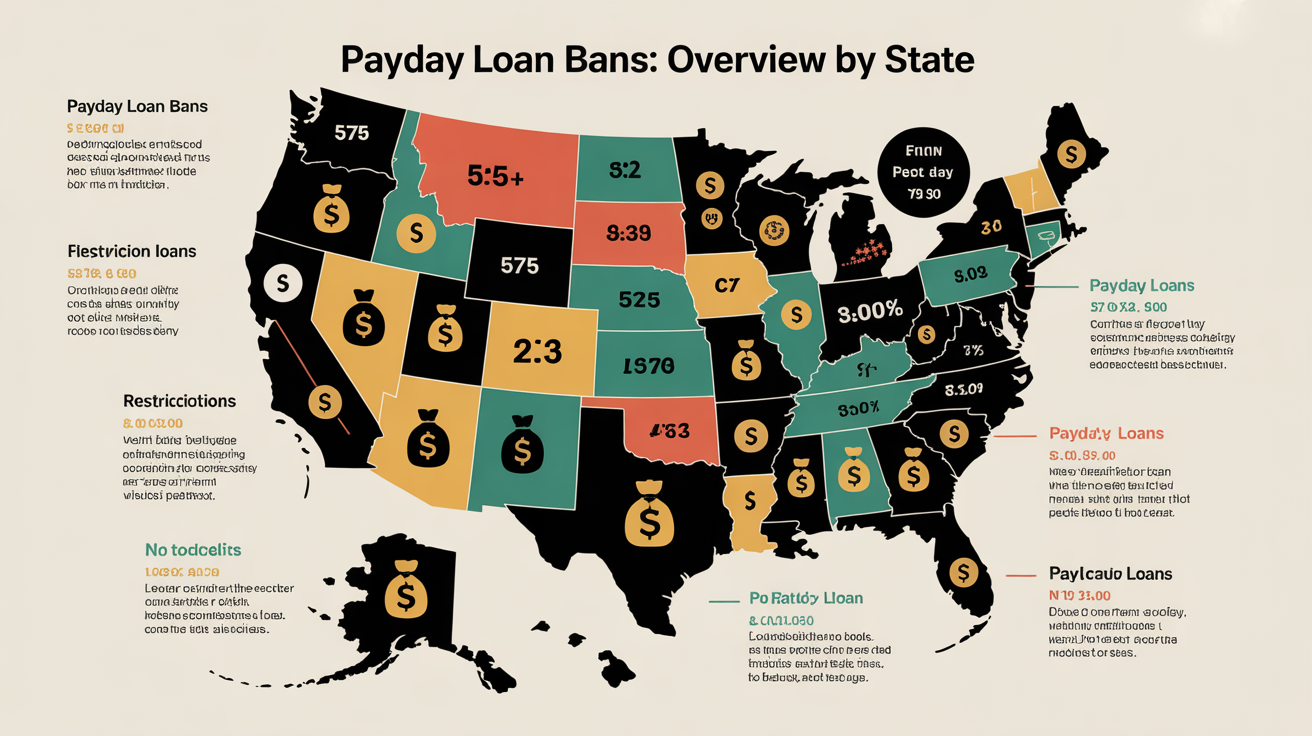
In recent years, legislative changes have begun to reshape the landscape of payday lending in rural areas. Many states have implemented laws aimed at capping interest rates and limiting the number of loans a borrower can take out at once. These changes reflect a growing recognition of the potential dangers associated with payday loans and aim to provide greater protections for consumers.
However, the efficiency of these regulations can vary widely, leading to a patchwork of protections that can confuse borrowers navigating their options.
How Are Regulations Changing the Landscape?
As regulations evolve, the landscape of payday lending is shifting to promote greater consumer protection and transparency. New laws often require lenders to disclose the true cost of borrowing in clear language, ensuring that borrowers make informed decisions. Additionally, some regulations focus on extending repayment terms, which can alleviate the financial burden on borrowers.
These changes signify a progressive approach to addressing the challenges of payday lending, although the effectiveness of implementation remains to be seen. Ongoing advocacy is essential to ensure that these regulations are enforced and updated as necessary.
What Can Borrowers Expect in the Future?
Borrowers can anticipate continued shifts in the payday lending landscape as legislative efforts evolve. With increasing public awareness of the issues surrounding payday loans, it is likely that more states will pursue regulations aimed at protecting consumers. Future changes may include stricter interest rate caps, enhanced borrower education requirements, and improved access to alternative financial services.
For individuals relying on payday loans, staying informed about these developments will be crucial in navigating their options and understanding their rights as consumers.
What Is the Role of State Governments in Regulation?
State governments play a pivotal role in regulating payday loans, influencing the availability and terms of loans for residents. Variances in state laws can lead to significant disparities in borrower protections, with some states implementing strict regulations while others maintain more lenient rules. This unequal landscape places additional pressure on consumers, who may struggle to understand the implications of the regulations in their area.
Advocacy for uniform consumer protections at both state and national levels is crucial for promoting equity in access to financial services and ensuring that borrowers are safeguarded against predatory practices.
How Does Consumer Advocacy Influence Policy?
Consumer advocacy groups are increasingly shaping legislative changes related to payday lending, pushing for stronger protections and greater accountability within the industry. These organizations work to raise awareness about the dangers of payday loans, providing resources and information to empower consumers.
As public sentiment shifts towards prioritizing consumer protection, advocates are instrumental in lobbying for laws that promote transparency and fairness. Their influence is vital in ensuring that the rights of borrowers are upheld, ultimately leading to a more equitable lending landscape.
What Strategies Can Ensure Responsible Payday Loan Usage?
What Should Be Considered Before Borrowing?
Before deciding to take out a payday loan, individuals should consider various factors to avoid negative financial consequences. First and foremost, borrowers must assess their repayment capacity and whether they can realistically pay back the loan on time. Understanding the total cost of the loan, including interest and fees, is critical for making informed decisions.
Additionally, researching different lenders and comparing terms can reveal better options. By approaching payday loans with caution and thorough evaluation, borrowers can safeguard their financial futures.
What Are the Best Practices for Borrowers?
- Assess your financial capacity to repay the loan.
- Understand all terms and conditions before signing.
- Explore alternative financing options before choosing a payday loan.
- Set clear repayment goals and timelines.
- Communicate with lenders if you anticipate difficulties in repayment.
- Seek financial advice if unsure about borrowing.
How to Create a Repayment Plan?
Devising a repayment strategy is essential to avoid falling into a debt trap when utilizing payday loans. Start by assessing your repayment ability, considering your income, essential expenses, and discretionary spending. It’s crucial to create a detailed budget that clearly outlines monthly financial obligations.
Research different lenders to identify favorable terms that permit manageable repayment schedules. Understanding all terms and conditions before committing to a loan will allow borrowers to devise a strategic repayment plan that keeps them aligned with their financial goals and ultimately avoids future financial distress.

Megan Hannford is an insightful author at QuickLoanPro, where she explores a diverse array of general topics related to finance, personal development, and lifestyle. With a passion for empowering readers through accessible information, she distills complex concepts into engaging content that resonates with a wide audience. Megan holds a degree in Communications and brings her expertise in writing and research to create valuable resources that guide individuals toward informed financial decisions.