
Payday loans are easy to misunderstand and expensive to use unless you compare the full cost before you borrow. The safest savings move is not finding the lowest advertised fee — it is seeing the total repayment clearly and choosing the least damaging option.
What to check first
- Total dollar cost, not just the fee in isolation
- APR and repayment date
- Rollover rules, late charges, and withdrawal timing
- Whether a lower-cost alternative is available
If you want a broader borrower playbook, see smart payday-loan strategies for gig workers and then return here to compare the cost details.
A Practical Way To Compare Payday Loan Costs
A payday loan can look cheap if you focus only on the posted fee. The better approach is to compare what you borrow, what you repay, and what happens if you need extra time. That gives you a real picture of whether the loan is merely expensive or financially risky.
| Comparison point | What to look for | Why it matters |
|---|---|---|
| Fee amount | Flat dollar fee or percentage per $100 borrowed | This is the immediate price you pay for quick cash |
| APR | Annualized rate that reflects the short term and high fee structure | It helps you compare payday loans with other borrowing options |
| Repayment date | Exact due date and whether it aligns with your paycheck | A mismatch increases the odds of renewals or overdrafts |
| Extension costs | Rollover fees, late fees, and extra finance charges | These are often what turn a short loan into a long expense |
To estimate the total cost before you sign anything, use this payday loan cost guide as your reference point. It is a better companion page than relying on a lender’s headline fee alone.
Best Fit For This Kind Of Loan
A payday loan is usually only defensible when all three are true:
- the expense is an actual emergency,
- you can repay on the next payday, and
- you have already checked cheaper alternatives.
How To Reduce The Damage Before You Borrow
The biggest savings usually come from avoiding add-on costs, not from shaving a tiny bit off the headline fee. That means you need a borrowing plan before you walk into any loan agreement.
Borrowing Checklist
- Confirm the exact due date and auto-withdrawal timing.
- Ask about late fees, rollover fees, and payment extensions.
- Check whether early repayment lowers total cost.
- Make sure the payment will not trigger an overdraft.
- Borrow only the amount you need for the emergency.
If the lender’s quote seems unclear, compare it with our payday loan rate comparison page. A side-by-side comparison is one of the simplest ways to spot hidden cost differences.
What To Ask Before Signing
Ask the lender to spell out the full dollar amount you must repay, what happens if the payment fails, and whether the loan can be extended without restarting the cycle with fresh fees.
If the answers are vague, that is usually a sign to pause.
Alternatives That Usually Cost Less
A lower fee does not matter much if the loan still traps you in repeat borrowing. For many readers, the real money-saving decision is switching to a different type of short-term funding altogether.
Personal Loans And Credit Unions
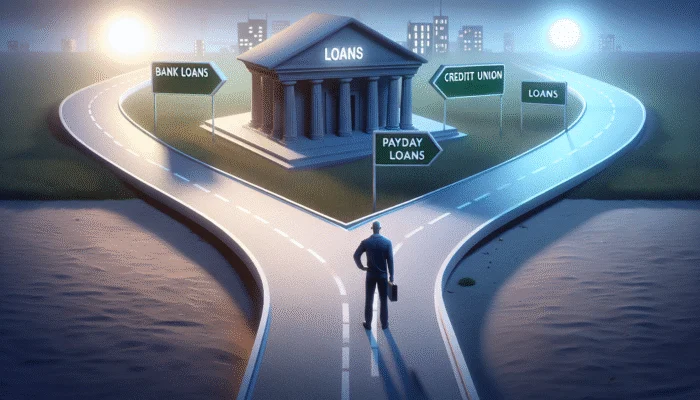
Banks and credit unions often offer smaller installment loans with better repayment terms. If you qualify, these are usually more manageable than a payday loan because the cost is spread out and the schedule is less brutal.
Payday Alternative Loans
Credit unions may offer payday alternative loans with lower fees and more breathing room. For a broader comparison of low-cost options, see effective alternatives for low-income borrowers.
Family, Employer Advances, And Emergency Help
An advance from a trusted source can be cheaper than a payday loan, but only if the repayment terms are clear. Local assistance programs and charities can also be worth checking when the expense is unavoidable.
If your need is immediate and you are comparing several fallback options, this emergency-loan guide can help you narrow the choice without drifting back into high-cost borrowing too quickly.
When The Timing Makes The Difference
Timing matters because payday loans are built around a very short repayment window. If your pay cycle is already tight, even a small delay can create new fees or force a rollover. The question is not whether you need cash today — it is whether your next paycheck can comfortably absorb the loan tomorrow.
| Timing situation | What it usually means | Safer move |
|---|---|---|
| Next payday is very close | Lower risk if the full amount is already reserved | Borrow only if the repayment will not cause overdraft or another loan |
| Payday is uncertain or variable | Higher risk of rollover and extra cost | Look first at installment borrowing or flexible help |
| You already have other bills due | The payday loan may just move the crisis forward | Choose the cheapest alternative that does not create a second emergency |
A Clearer Way To Decide
Use This Three-Step Filter
- Compare the loan’s total cost with at least one alternative.
- Check whether the repayment fits your next paycheck without a rollover.
- Borrow only if the expense is urgent and unavoidable.
If you are still unsure, the most useful next read is the page on how to lower payday loan fees. It supports the same decision stage without repeating the broader basics here.
Choose The Lowest-Risk Path, Not The Fastest One
A payday loan may solve a same-day problem, but it only saves money when the cost is fully understood and the repayment is realistic. If a cheaper option exists, that is usually the better choice. If no cheaper option exists, use the shortest loan possible, read the terms carefully, and avoid rollovers at all costs.

Frequently Asked Questions
What Is The Safest Way To Compare Payday Loans?
Compare the total repayment, APR, due date, and extension fees together. The cheapest-looking loan is not always the cheapest one after rollover or late charges.
Can I Save Money By Paying A Payday Loan Early?
Sometimes, yes, but only if the lender’s terms do not charge extra for early repayment and the payment timing does not create another cash shortfall.
Are Payday Alternatives Always Better?
Usually they are cheaper, but the right choice depends on the amount you need, how quickly you need it, and whether you can qualify for the alternative.
What Should I Do Before Agreeing To A Rollover?
Pause and compare the rollover cost against a cheaper source of funds. A rollover is often the moment a short-term loan becomes much more expensive.

Jacob Harrison is a dynamic author specializing in a broad range of topics for QuickLoanPro. With a keen eye for detail and a passion for making financial concepts accessible, he helps readers navigate the complexities of personal finance, loans, and budgeting. Jacob’s insightful articles aim to empower individuals with the knowledge they need to make informed financial decisions, blending informative content with practical advice. Through his engaging writing style, he strives to connect with audiences, providing them with valuable resources for their financial journeys.



You’ve touched on a critical issue that many people face today—the urgent need for cash when unexpected expenses arise. While payday loans may seem like a quick fix, the reality is often more complicated and fraught with risks that can spiral into larger financial problems.
It’s true—many people are caught off guard by sudden financial needs, and navigating that can be really challenging. The allure of payday loans is hard to ignore in moments of desperation, yet they often lead people into a cycle of debt that’s difficult to escape. It’s interesting how this financial pressure can affect not just individual well-being but also family dynamics and mental health.
You’ve touched on some important realities that many face when dealing with unexpected financial issues. The pressure can feel overwhelming, especially when options are limited. The temptation to turn to payday loans often comes from a place of urgency—however, those quick fixes can lead to prolonged struggles that affect not just finances but relationships and mental health.
You brought up some really important points. It’s wild how quickly financial stress can creep up on someone, and those payday loans seem like a lifeline in a tough moment. But you’re right; they often end up pulling folks deeper into a hole. It’s eye-opening to think about how these situations can ripple out, affecting not just finances but relationships and mental health too.
You nailed it with that observation about payday loans acting like a quick fix during tough times. It’s surprising how that relief can come with hidden costs, making the situation even tougher down the line. Financial stress doesn’t just weigh on our bank accounts; it can seep into everything—from how we treat others to our own mental well-being.
You’ve hit on something that really resonates. It’s like we live in this fast-paced world where one minute everything feels fine, and the next, we’re grappling with unexpected expenses that throw a wrench in our plans. It’s a tough spot, and when people are staring down a financial emergency, those payday loans can really seem like a lifesaver.
You nailed it with that observation about financial pressures. It’s so true that many people find themselves in a pinch, and those moments of desperation can seriously cloud judgment. I’ve seen friends and family get caught up in the payday loan trap, thinking it’s a quick fix, only to end up in a deeper hole. It’s like this perfect storm of anxiety and urgency that makes the allure of those loans really hard to resist.
I appreciate your insights on payday loans and their impact on financial management. It’s really interesting how the convenience of quick cash can sometimes overshadow the potential pitfalls of high-interest rates. I’ve personally seen friends struggle with payday loans; they intended to solve a temporary cash crunch, but the fees can snowball into a cycle of debt.
It’s great to hear your thoughts on the complexities of payday loans. You’re right—while the allure of quick cash can seem appealing in the moment, it often leads to a real struggle down the line. I’ve seen many folks underestimate how fast those high-interest fees can rack up, turning a temporary fix into a long-term burden.
You’ve really captured the essence of the payday loan situation. It’s that initial attraction of quick access to cash that often blinds people to the long-term consequences. I’ve seen similar situations where friends and family feel pressured to take out loans because of unexpected expenses—like medical bills or car repairs. The cycle can become oppressive.
I came across an article that really digs into those payday loan pitfalls and offers some solid takeaways on managing money wisely; it might resonate with your thoughts on the long-term impact of those seemingly quick fixes.
‘Payday Loans: Lessons Learned About Money Management’
https://quickloanpro.com/payday-loans-lessons-learned-about-money-management/.
Ah, payday loans—the financial equivalent of tossing a life preserver that’s actually an inflatable alligator. Sure, it looks like it might keep you afloat, but once you get closer, you’re not quite sure if it’s a lifeline or just going to eat you alive. I mean, we’ve all been there, right? The month drags on, bills are stacking up, and that last pizza delivery has you reconsidering your life choices. Enter payday loans, like a questionable superhero in a comic strip that’s somehow both relieving and terrifying.
It’s interesting how payday loans fill a unique niche in the financial landscape. In a way, they spotlight a broader issue of financial literacy and access. I’ve personally seen friends rely on them during tough months, but it often leads to a cycle of debt that’s hard to escape. It makes me think about how important it is for individuals to explore alternative options like credit unions or even community assistance programs. These can sometimes provide more sustainable support without the harsh interest rates. It’s also a reminder of how much our financial systems can impact overall mental health and well-being. How do others feel about the long-term effects of relying on payday loans versus seeking out these alternative resources?
Your exploration of payday loans highlights a crucial aspect of financial management that many people face. I’ve been there, caught in that tight spot between paychecks, and the lure of a quick cash solution can be compelling. It’s essential, however, to weigh the long-term implications against the immediate relief that these loans seem to provide.
Your exploration of payday loans touches on a topic that resonates with many individuals facing financial challenges. It highlights a fundamental aspect of personal finance—how easily one can find themselves in a situation where quick cash becomes a necessity, whether due to unexpected medical bills, car repairs, or other unforeseen expenses. While payday loans can seem like a viable solution, the long-term ramifications are often overlooked.
You raise a really important point about the cycle that payday loans can create. It’s so easy to focus on the immediate relief they provide without fully considering the long-term impact on financial health. I’ve seen friends get into situations where borrowing just a little led to much bigger debts down the line, effectively trapping them in a cycle that feels impossible to break.
Your exploration of payday loans highlights a critical aspect of personal finance that often goes overlooked: the urgency versus long-term implications of immediate financial relief. Having been in a situation myself where I was juggling expenses while waiting for my next paycheck, I can understand the desperation that may drive individuals toward payday loans.
Your exploration of payday loans and the strategies for navigating them captures an important conversation about responsible borrowing. In today’s fast-paced world, many individuals find themselves in financial predicaments that necessitate quick solutions, and payday loans often appear as a tempting option. However, as you’ve pointed out, these loans come with hefty fees and high APRs that can create a cycle of debt if not managed carefully.
It’s interesting to see payday loans framed in such an informative light. While they can indeed provide necessary relief in a pinch, I believe it’s crucial to highlight the potential long-term impact they can have on one’s financial health. In my experience, relying on payday loans can lead to a cycle of debt that many find difficult to escape.