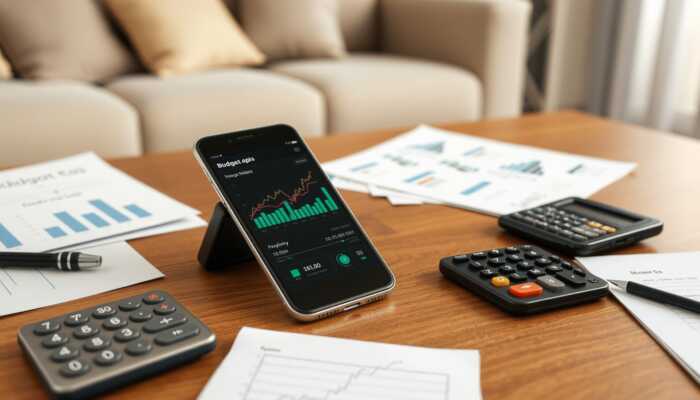
If you are trying to stay ahead of payday loan due dates, a good budgeting app can do more than track spending — it can help you spot cash gaps before they turn into late fees. The best options are simple, reminder-heavy, and easy to keep updated; our debt-reduction guide is the right companion read if you also need a broader payoff plan.
What to look for first
- Clear spending categories and fast manual entry
- Bill and payday reminders that are hard to miss
- Bank syncing if you want real-time tracking
- A low-cost plan that fits your budget, not just your wishlist
- A simple loan calculator or debt view for repayment planning
Quick decision guide
| Need | Best feature to prioritize | Why it matters |
|---|---|---|
| You keep missing due dates | Payment reminders and calendar alerts | Late fees and overdrafts are often more costly than the app itself. |
| Your cash flow changes every week | Bank syncing and quick category edits | Fast updates help you react before a payday loan becomes unmanageable. |
| You need a payoff plan, not just tracking | Debt view, payoff calculator, or zero-based budgeting | A clearer repayment structure supports progress toward balance reduction. |
| You want the simplest setup possible | Clean interface and low-friction manual entry | If an app feels complicated, it is less likely to become a habit. |
What Payday Loan Budgeting Apps Actually Do
These apps are useful because they turn a messy picture of income, bills, and repayment dates into something you can act on. Instead of guessing what is left after essentials, you can see whether a loan payment fits, what needs to move, and where a small cutback could protect you from another cycle of borrowing.
That is why they sit between day-to-day budgeting and debt management. If your main goal is to reduce the number of payday loans you need over time, pair app tracking with practical repayment tips so the app is doing real work rather than just logging stress.
Features That Matter Most
Expense tracking
Categorization helps you see where money is leaking before the next due date arrives.
Payment reminders
Alerts reduce missed payments, penalty fees, and the scramble that often follows them.
Bank syncing
Automatic updates help when your income changes from week to week or by shift.
Goal setting
Targets can be small, like avoiding another loan, or bigger, like building a buffer.
Loan or payoff view
A clear repayment snapshot helps you compare the cost of borrowing with alternatives.
Educational support
Simple guidance is useful if you are learning how to manage money on the fly.
How The Leading Options Compare
Many readers compare a few familiar names before choosing one. The point is not to find a perfect app; it is to find the one that fits your habits, your cost tolerance, and how much automation you are actually willing to maintain.
When a free app is enough
Choose a free option if your main need is tracking, basic reminders, and a simple spending snapshot. That is often enough for a borrower who is trying to stay organized between paychecks.
When a paid app is worth it
A subscription makes more sense if the app gives you reliable bank syncing, deeper debt tools, or a budgeting system you will actually use every week.
How To Choose Without Getting Distracted By Extras
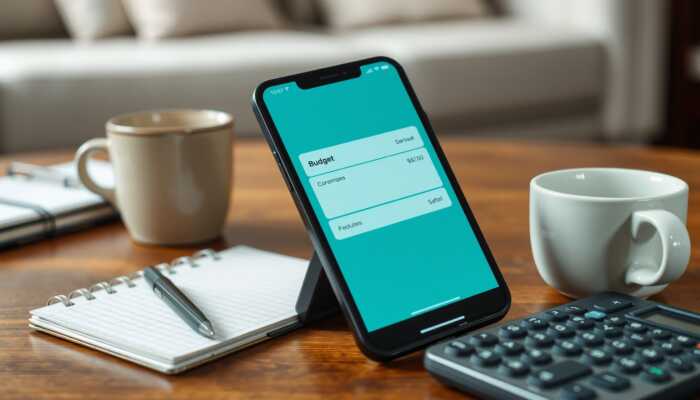
A lot of budgeting apps market everything at once, but payday loan borrowers usually need a narrower checklist. Start with the features that help you avoid cost, not the ones that look impressive in screenshots.
- Pick reminders first if late fees are your biggest problem.
- Pick bank syncing if your income or spending changes often.
- Pick a payoff or debt view if you are already carrying several obligations.
- Pick a simple interface if you know complex systems will not stick.
- Check reviews for crashes, sync issues, and surprise paywalls before you commit.
If you are still building basic money habits, this is also a good time to read our financial literacy guide. A better app works much faster when the habits behind it are steady.
Need A Broader Debt Plan?
If budgeting alone is not enough and you need to reduce a growing balance, move from tracking to action with a focused repayment strategy.
Common Mistakes To Avoid
Leaving data incomplete
A budgeting app is only useful if income, bills, and loan payments are all included.
Ignoring reminder settings
Many people install the app and skip the alerts that would actually prevent fees.
Paying for too much
A higher tier is not automatically better if you only need simple tracking and one or two alerts.
Frequently Asked Questions
What Are The Top 5 Budgeting Apps?
Commonly recommended options include Mint, YNAB, PocketGuard, EveryDollar, and similar apps that combine tracking, reminders, and budgeting structure.
Which Budget App Is Truly Free?
Free plans can work well for basic tracking, but many apps reserve their most useful features for paid tiers or trials, so check the fine print before committing.
What Is The 50/30/30 Budget Rule?
The 50/30/30 rule is a simple way to split money between needs, wants, and savings, and it can be a helpful starting point when you are trying to manage debt alongside everyday expenses.

Megan Hannford is an insightful author at QuickLoanPro, where she explores a diverse array of general topics related to finance, personal development, and lifestyle. With a passion for empowering readers through accessible information, she distills complex concepts into engaging content that resonates with a wide audience. Megan holds a degree in Communications and brings her expertise in writing and research to create valuable resources that guide individuals toward informed financial decisions.



I appreciate the thoughtful approach you’ve taken towards payday loan budgeting apps. It’s true that financial management can be daunting, especially for those using payday loans, which can often lead to a cycle of debt if not handled carefully. I find it interesting how the integration of technology into our daily lives has opened up new avenues for managing finances more effectively, particularly through apps designed to provide structure and clarity.
I appreciate your insights into the role of payday loan budgeting apps in helping individuals navigate their financial obligations. The impact of these apps can be profound, especially for those who may be in vulnerable financial situations. Managing payday loans is no small feat, and having the right tools can truly make all the difference.
I really appreciate the insights you’ve shared about budgeting apps in relation to payday loans. It’s a tricky balance to manage cash flow, especially with unexpected expenses that can pop up. I’ve been in a similar situation, where it felt like I was constantly one step behind with my payments. I agree that reminders are crucial; it’s often the little nudges that keep us from falling behind and incurring those pesky late fees.
Ah, payday loans—the ultimate ticking time bomb of personal finance! I often feel like these things are the financial equivalent of a bad horror movie, where you just know the protagonist is about to make a regrettable decision. I appreciate your insights on budgeting apps; they’re like that helpful friend who always reminds you to bring a jacket when it’s actually freezing outside!
I really appreciate how you’ve laid out the importance of using a budgeting app to manage payday loans and cash flow issues. It’s a topic that hits home for a lot of us, especially in today’s economy where financial stability can feel like a tightrope walk. There was a time when I found myself constantly scrambling to meet due dates and dodging late fees like they were the plague. It felt like my payday loan was running my life instead of the other way around.