
Payday loan debt gets expensive fast, and the numbers matter more than the promise of quick cash. If you’re trying to estimate how long repayment will take, start with the calculator approach first and then compare it with practical repayment steps in our payday loan repayment guide.
Quick Payoff Check
A payday loan payoff calculator helps you estimate total cost, not just the balance. Enter the loan amount, fee or APR, due date, and any extra payment you can make to see whether repayment is realistic or whether a different plan is safer.
- Original loan amount
- Fees or APR
- Repayment date
- Rollover cost
- Extra payment amount
How Payday Loan Payoff Calculators Help You Make A Realistic Plan
The value of a payday loan payoff calculator is simple: it shows what the debt really costs once you include fees, timing, and repeat borrowing. That matters because many borrowers focus on the original loan amount and miss the much larger cost created by extensions, late charges, or a second loan used to cover the first.
If you need a broader debt-reduction frame after estimating the numbers, the next step is usually to read what to do once a payday loan is paid off so you can avoid replacing one expensive loan with another. If the debt is already straining your budget, the calculator can also show whether a partial payment now is better than waiting and adding more fees later.
What To Enter Into The Calculator
- Loan principal
- Fee amount or APR
- Due date or loan term
- Any rollover or extension fee
- How much you can pay now
- How much you can pay on the next paycheck
What The Results Should Tell You
- Total amount to repay
- Time needed to clear the balance
- How much extra a rollover adds
- Whether one larger payment lowers cost meaningfully
- How much room you need in your budget
A Simple Example Of How The Math Changes
Suppose you borrowed $500 and the lender charges a $75 fee for a two-week loan. If you repay on time, the cost is the original $500 plus the $75 fee. If you cannot pay and roll it over, another fee is added. On a second extension, the fee compounds again. That is why the calculator is useful: it makes the cost of delay visible before you commit to another cycle.
In practice, the calculator helps answer a more important question than “Can I make this payment?” It answers, “What is the cheapest way to stop this debt from growing?” That is where the tool has real value, especially if you are comparing a payday loan with a lower-cost option or checking whether a repayment schedule can be tightened without triggering more fees.
When To Use The Calculator And When To Rethink The Loan
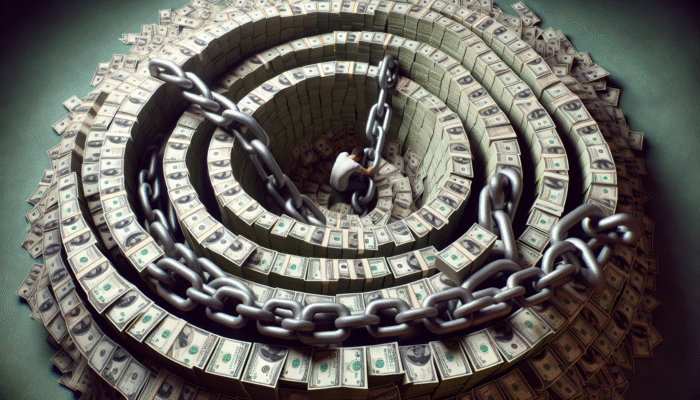
Use the calculator as soon as you know the loan terms, not after the first payment is due. The earlier you input the numbers, the easier it is to see whether the debt is manageable or whether you need a different strategy. If the repayment schedule already looks impossible, the calculator can help you compare the cost of rolling over the loan against the cost of paying it down in stages.
That comparison matters because payday loans can distort the budget in two ways at once: they remove cash from the next paycheck and they add fees that push the next paycheck even further out of reach. If you want a deeper look at the risks behind that pattern, link over to the main payday loan pitfalls guide for the broader consequences of repeated borrowing.
If your goal is to get out of debt, the calculator should help you choose between three basic paths: paying in full, paying in part and cutting expenses, or replacing the loan with a lower-cost alternative. The best path is usually the one with the lowest total cost and the clearest chance of avoiding another rollover.
Best Use Case
You have the loan terms, a realistic payment amount, and want to know the shortest path to full repayment without adding unnecessary fees.
Warning Sign
The calculator shows that a single rollover or late payment creates a larger balance than your budget can absorb next payday.
How To Compare Repayment Scenarios Without Getting Lost In The Details
A strong calculator-first page should not drown you in theory. It should help you compare a few real choices that matter right now. For payday loan debt, those choices are usually based on timing, payment size, and whether you can avoid another fee. The most useful comparisons are the ones that make the cost difference obvious.
A calculator can’t decide the budget for you, but it can make the tradeoffs visible. That is especially helpful if your debt is spread across several payday loans. In that case, you may want to compare the total cost of paying each one separately versus consolidating or reorganizing them into a single plan. If that is your situation, the next useful read is consolidating multiple payday loans, which fits naturally after you have estimated the individual payoff amounts.
How Fees, Credit Damage, And Repayment Timing Change The Picture
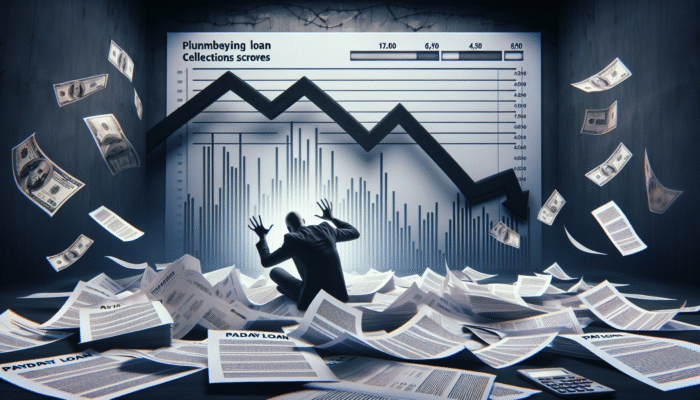
A payday loan payoff calculator is most useful when it includes the costs people often leave out. Fees matter, but timing matters too. A loan that looks manageable at the start can become expensive after one missed deadline, and one missed deadline can lead to collection activity that hurts your credit score and makes future borrowing harder.
That is why the calculator section should not be treated as a math exercise alone. It is really a decision tool. It should help you estimate whether you are better off paying now, paying in stages, or looking for a lower-cost replacement before the next due date arrives. If your credit has already taken a hit, the broader recovery path is covered in steps for credit recovery after payday loans.
Fees To Include Every Time
To avoid underestimating the debt, include every cost that changes the payoff total. That typically means the base fee, any rollover fee, late-payment penalty, and any charge tied to extending the due date. If the calculator you use only shows principal and ignores the rest, it will understate the real cost of borrowing.
If your goal is better financial literacy rather than just one-off payoff math, it also helps to learn how loan terms are written and why some offers look cheaper than they are. A strong companion page for that is our payday loan financial literacy guide, which is a natural next step after you understand the calculator outputs.
Practical Rule if the calculator shows that a rollover makes the total cost jump sharply, treat that as a warning sign—not a minor inconvenience. The cheaper option is usually the one that prevents the next fee from appearing at all.
What Makes A Better Payoff Calculator
Not every calculator is equally useful. The best one for payday loan debt lets you adjust the inputs that actually affect your repayment cost. A decent tool should let you change the loan amount, APR or fee structure, payment frequency, and any extra payment. If it also lets you compare multiple scenarios side by side, even better.
Custom Payment Inputs
Lets you test weekly, biweekly, or monthly repayment instead of forcing one schedule.
Fee Awareness
Includes rollover and late fees so the total payoff number is closer to reality.
Progress View
Shows how much of the balance disappears after each payment, which helps keep the plan on track.
That is also why this page sits best as a support article in the payday debt cluster rather than as a broad financial-freedom essay. The dominant topic is not motivation; it is decision support. Once you know the numbers, you can move into a broader plan with the cluster’s main recovery page, the steps for achieving financial freedom, which remains the strongest destination for readers ready for the bigger turnaround.
A Sensible Way To Use The Results
Once you have the payoff estimate, use it in a small sequence: confirm the due amount, test one extra-payment scenario, then compare that against a rollover or alternative borrowing option. That sequence keeps the calculator focused on a single goal—reducing total cost—rather than letting the debt turn into a vague budget problem.
If the numbers still do not work, the smarter next move is usually to step away from the current payday loan structure and compare lower-cost alternatives. If you need that comparison, start with the broader cluster page on alternatives and then return to the calculator to measure the difference in total repayment cost.
Choose The Next Move After You Calculate The Debt
If the calculator shows the loan can be repaid in full without another fee, pay it on time and move on. If the balance is close but not quite reachable, look at budget cuts and partial payments. If the numbers keep getting worse with each extension, shift to a lower-cost recovery path.
For the strongest next step in this cluster, read the payday loan success and debt-free guide. It works best after you’ve used the calculator to see what your exit really costs.

Frequently Asked Questions

Megan Hannford is an insightful author at QuickLoanPro, where she explores a diverse array of general topics related to finance, personal development, and lifestyle. With a passion for empowering readers through accessible information, she distills complex concepts into engaging content that resonates with a wide audience. Megan holds a degree in Communications and brings her expertise in writing and research to create valuable resources that guide individuals toward informed financial decisions.



This is such an important topic, and I appreciate the thorough breakdown of payday loan debt and its implications. The alarming APR rates you mentioned really highlight just how precarious these loans can be for borrowers. I remember a friend of mine who found herself in a similar situation; she took out a payday loan to cover a sudden car repair, thinking she could easily repay it with her next paycheck. But when that paycheck came, unexpected expenses had already slipped in, and soon she was facing not just the initial loan amount, but compounded fees that spiraled out of control.
Your in-depth analysis of payday loan debt sheds light on a critical and often overlooked issue that affects countless individuals and families, especially in times of financial distress. It’s a sobering reality that while these loans present an immediate solution to pressing cash flow problems, they can perpetuate a cycle of financial instability that is remarkably difficult to escape.
You’ve touched on a crucial aspect of payday loans that many choose to overlook. It’s a paradox, really. People often see payday loans as a quick fix to an immediate problem, but what they might not realize is that this solution can lead to a deeper financial maze. Many folks end up trapped, feeling like they’re just moving money around rather than truly solving their financial concerns.
You’ve really hit the nail on the head with that observation. It’s interesting how we often seek out quick solutions, particularly in financial matters, without fully considering the long-term implications. I remember a friend of mine who turned to payday loans during a rough patch. Initially, it felt like a lifeline, but soon enough, it spiraled into a cycle of borrowing just to keep up with previous debts.
You bring up an important point about the allure of quick financial fixes, like payday loans. Many people, when faced with urgent financial needs, can feel trapped and see such options as the only way out. It’s interesting to hear about your friend’s experience; it highlights how these seemingly short-term solutions can unexpectedly lead to long-term challenges.
You hit the nail right on the head with that insight. Payday loans can feel like offering a drowning person a sandwich when they need a lifeboat. It’s sort of like putting a Band-Aid on a bullet wound but, hey, it’s a tasty Band-Aid, right? Short-term relief often masquerades as a solution, but what ends up happening is folks can find themselves back in the water, gasping for air again before they even finish chewing.
Ah, payday loans—the financial equivalent of fast food. You know it’s not good for you, but sometimes a cheeseburger just feels right in the moment! It’s astonishing how quickly people can find themselves singing the “I owe, I owe, it’s off to work I go” tune just because they saw a glimmer of hope at the end of a paycheck.
You’re spot on with that comparison—payday loans do have that instant gratification vibe like a quick cheeseburger. It’s all about that momentary relief when financial pressure looms large. But just like those greasy burgers, the consequences can linger long after the immediate satisfaction wears off.
I really appreciate how you’ve laid out the complexities of payday loan debt. It’s such a nuanced topic, and you’ve captured the essence well. My personal experience with payday loans ties directly into the cycle you’ve mentioned. I remember a time when I felt pressured to borrow a small amount just to cover an unexpected car repair. The ease of access was tempting, but the fallout was anything but simple.
It’s really striking how the ease of access to payday loans can lead to such complicated situations. Your experience resonates with many who find themselves in that tough spot—facing an unexpected expense and feeling like there’s no safety net. It’s interesting to think about how societal pressures and our immediate financial needs can create a cycle that’s hard to escape.
I can relate to your experience; I came across some great strategies for managing payday loan debt that really helped me navigate those tricky situations.
‘Payday Loan Debt Reduction Strategies: Top Tools for Success’
https://quickloanpro.com/payday-loan-debt-reduction-strategies-top-tools-for-success/.
It’s true how quickly payday loans can turn into a complicated web of stress. I think your point about societal pressures is particularly important. So many people feel they have no choice but to resort to these loans, especially when unexpected bills come in, like medical expenses or car repairs. It’s like they’re caught between needing immediate help and the looming burden of high-interest debt.
It’s definitely eye-opening how quickly a seemingly manageable financial hiccup can spiral into a more complex situation when it involves payday loans. I’ve seen friends and family wrestle with similar issues, and it really highlights how precarious financial stability can be, especially for those living paycheck to paycheck.
Ah, payday loans—the financial equivalent of that sugary snack you grab at 2 a.m. when you’re desperate for something, anything, to satisfy your cravings. They promise a quick fix to your immediate financial woes but often leave you with a nasty crash (and a headache) shortly after. I think you’re spot on highlighting how these loans can pull individuals into a cycle that’s almost akin to a hamster wheel—lots of activity but no real progress.
Your analysis of payday loan debt brings to light critical truths that many people face but often prefer to ignore. It’s disheartening to see how these loans, marketed as lifelines, can quickly transform into burdens that feel insurmountable. I can personally relate to this topic, as I’ve witnessed friends and family members fall into this trap, initially believing they had found a quick fix for their financial dilemmas.
You raise an important point about the immediate accessibility of payday loans, which is often their biggest draw for those in financial distress. I’ve seen friends and family members get trapped in a cycle of debt from these loans when they just needed a quick fix. It’s really troubling how such high APRs can turn a small, manageable loan into a mountain of debt over time.
You’ve highlighted an incredibly important issue that many people may not fully grasp until they find themselves in a challenging financial situation. I can relate to the allure of payday loans; during a financial crunch, their immediate accessibility can seem like a lifeline. However, the trap they create is all too real.
You’ve hit the nail on the head about the lure of payday loans and how they can feel like a quick fix during tough financial times. It’s interesting how many people don’t realize the long-term consequences until they’re deep in it. I think part of what makes payday loans so tempting is that they promise a fast solution when everything feels overwhelming. When bills are piling up and you’re staring at an empty bank account, that immediate cash can seem like a hand reaching out in a moment of desperation.
I found your analysis of payday loan debt really poignant, especially the way you highlighted the catch-22 that so many borrowers find themselves in. It’s wild how a quick solution can turn into a long-term hassle. I remember when a friend of mine was in a similar situation. They took out a payday loan for car repairs, thinking it would be a one-time fix, but ended up rolling it over multiple times due to the high fees.
It’s interesting how often people think of payday loans as a temporary solution, yet many find themselves stuck in a cycle that just complicates things further. Your friend’s experience is a perfect example of how easily a quick fix can morph into a long-term challenge. Those high fees can quickly add up, leaving borrowers in a tough spot.