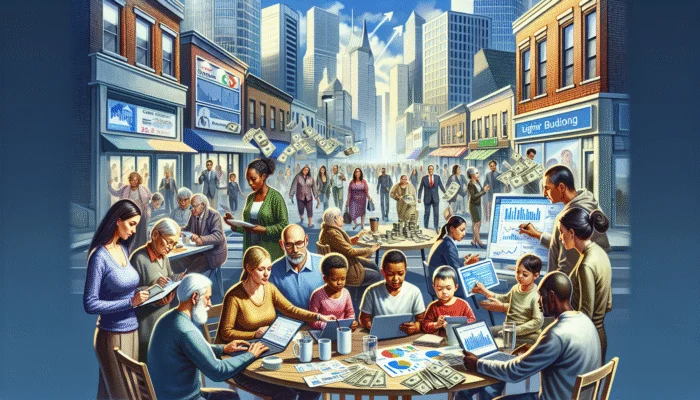
When payday loans are outlawed, the biggest change is simple: borrowers lose fast, high-cost cash, but they also lose a loan product that often traps them in repeat borrowing. That shift can reduce debt stress for some households and create a harder emergency-funding gap for others.
At a glance
If you want the broader rules behind state-by-state restrictions, start with payday loan laws in 2025. This article focuses on the real-world borrower impact when payday loans are banned or shut down.
- What Borrowers Lose instant approval, short turnaround, and easy access to emergency cash.
- What May Improve fewer repeat fees, less rollover debt, and more pressure to use lower-cost credit.
- What Replaces Payday Loans credit unions, installment loans, CDFIs, payment plans, and emergency savings.
- Who Feels It Most low-income households, gig workers, and people with thin credit files.
| What changes | Borrower effect | Common substitute |
|---|---|---|
| Quick Access To Cash | Disappears or becomes harder to find | Emergency loans or payment plans |
| Loan Cost | Usually improves if borrowers move to lower-rate products | Credit unions, banks, CDFIs |
| Debt Cycle Risk | Often declines when repeat payday borrowing is removed | Installment loans with fixed terms |
| Emergency Access For Fragile Budgets | Can become tighter in the short term | Savings buffers and flexible bills |
Why this page is different from a general payday-loan guide
A general overview explains how payday loans work. This page focuses on the aftermath of a ban: how borrowers adapt, what happens to low-income households, which alternatives fill the gap, and where policy can help or fall short. For a broader borrower primer, see payday loans explained.
What Borrowers Lose And What Can Improve
Outlawing payday loans removes a product built around speed, not affordability. That can be a real benefit if the borrower was stuck in a cycle of fees, renewals, or back-to-back borrowing. It can also create stress for households that used payday loans as a last-resort bridge between bills and paychecks.
What Borrowers Lose
- Instant access to small-dollar cash.
- Simple approval standards that did not require strong credit.
- A fast option when savings were empty.
- A product some households relied on for rent, utilities, or repairs.
What Can Improve
- Less exposure to very high APRs and repeated rollover fees.
- Fewer borrowers trapped in short repayment windows.
- More incentive to build savings or use lower-cost credit.
- Better odds of moving toward structured debt repayment.
That trade-off is why policymakers often pair restrictions with alternatives. If the ban is not matched with accessible substitutes, people may turn to another expensive product or to unregulated lenders. For a direct comparison of replacement options, the most relevant next read is payday loan alternatives for low-income borrowers.
How Borrowers Usually Adapt After A Ban
Once payday loans are off the table, borrowers typically move in one of three directions: they seek lower-cost credit, tighten expenses, or delay the bill and risk a late fee. The healthiest outcome is usually a move toward a more structured option, even if it is slower to access than a payday loan.
Common Replacements
- Credit unions with lower rates and more flexible underwriting
- Personal loans from banks with fixed repayment terms
- Community development financial institutions, or CDFIs
- Peer-to-peer or fintech installment products, where available
- Flexible payment plans from landlords, utilities, medical providers, or service companies
- Emergency savings, even if the balance starts small
- Help from family or friends, though this can strain relationships
Borrowers who are already under pressure often need more than a product switch. They need help prioritizing bills, reducing fees, and breaking the habit of using one loan to cover another. If that describes your situation, this guide on what to do when payday loans pile up connects the ban scenario to practical debt relief steps.

Who Feels The Impact Most
The burden is rarely evenly distributed. Low-income households, workers with variable income, and people with poor or thin credit histories feel the change most sharply because they are the same groups that payday lenders traditionally serve. When the product disappears, the emergency gap does not.
Low-Income Households
These households often have the least cushion for medical bills, car repairs, or utility shocks. A ban can reduce predatory borrowing, but it can also leave families with fewer immediate cash options unless a realistic substitute exists.
Workers With Variable Income
Gig workers and hourly employees often face timing mismatches between income and expenses. When payday loans are outlawed, they may shift to installment products, advance-based tools, or tighter budgeting to bridge shortfalls.
Borrowers Rebuilding Credit
Some borrowers see a long-term benefit if the ban nudges them away from repeat high-cost debt and into products that report positively to credit bureaus. That path is slower, but it can create a stronger financial base.
If you are comparing post-ban products for thin credit or irregular income, the broader context in CFPB regulations on payday loans helps explain why certain lenders are pushed out while others remain available.
Broader Economic And Local Effects
The policy does more than change borrower behavior. It also alters spending patterns, local business revenue, lender operations, and the demand for consumer finance products. Those effects are often modest at first, but they can become visible in communities where payday lending was common.
Consumer Spending And Local Businesses
Some households spend less on non-essentials after a ban because they are no longer funding short-term gaps with borrowed money. That can reduce impulse spending at local retailers and service businesses in the short run. Over time, though, more stable repayment habits may support healthier local demand and fewer surprise defaults.
Lenders And The Job Market
When payday lending contracts, some jobs in that sector may disappear. At the same time, credit unions, community lenders, and financial education providers can see more demand. The employment effect depends on whether new forms of responsible lending and consumer support replace the old model.
Government Response
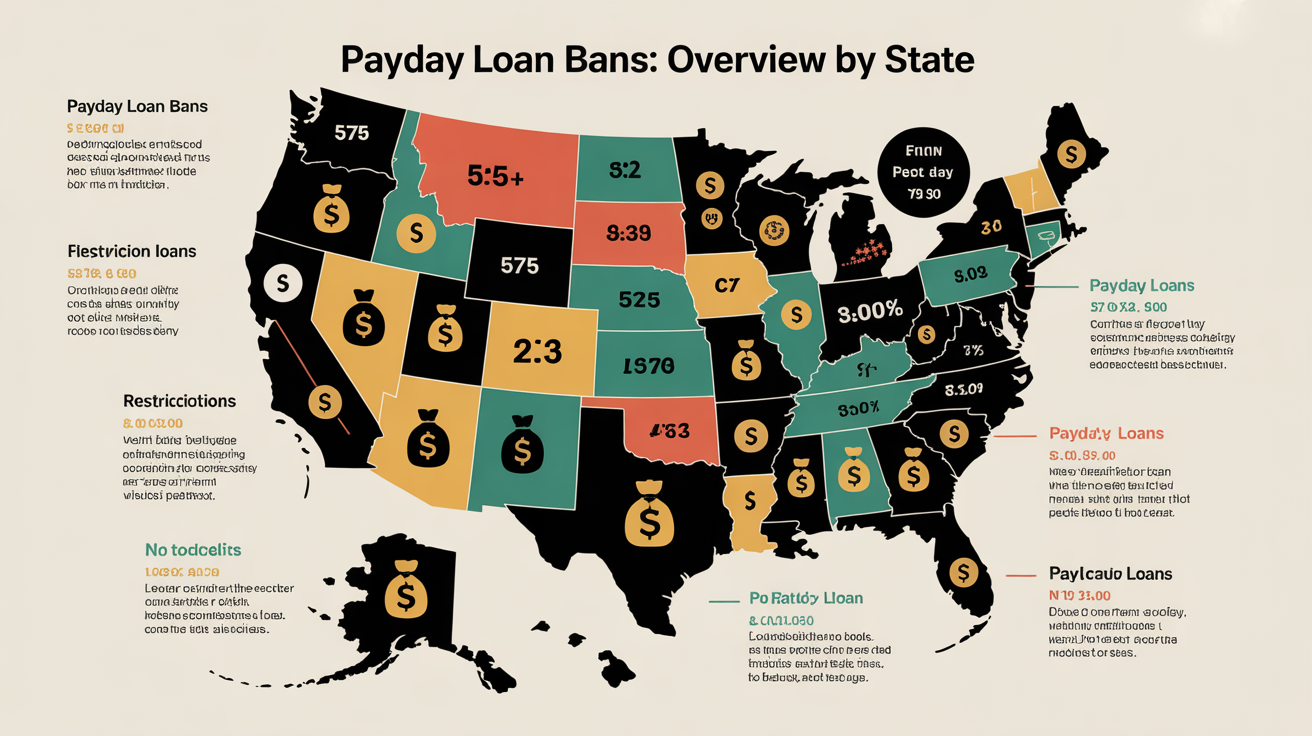
A ban is rarely the last word. Regulators often follow up with rate caps, disclosure rules, enforcement actions, and consumer education efforts. States may respond differently, which is why the legal landscape remains uneven. For a closer look at those state differences, see state payday loan regulations.
A useful rule of thumb
If payday loans are outlawed in your state, do not wait until the next emergency to compare alternatives. Line up a backup option now so the first replacement is not the most expensive one available.
Start with a lower-cost lender or community option, then check whether you can use a payment plan or a small emergency reserve before turning to any short-term debt.
Need a better fallback than payday lending?
If you are trying to replace payday loans with something safer, compare structured options before the next bill hits. The most relevant next step is effective alternatives for low-income borrowers, especially if you need emergency cash without repeating the payday cycle.
If your debt load is already building, you may also want the broader recovery roadmap in essential steps for borrowers whose payday loans pile up.
What The Evidence And Policy Debate Usually Point To
Research and policy analysis tend to land on the same central tension: payday-loan bans can reduce harmful debt, but the benefit depends on whether borrowers have somewhere else to go. If a ban simply removes one bad option and leaves no practical substitute, people may face late fees, overdrafts, or unregulated lenders instead.
When states or regulators pair restrictions with lower-cost credit, financial literacy, and targeted consumer protections, the outcome is generally better. Borrowers are more likely to move toward structured repayment, and the market has a chance to shift toward products with clearer terms.
That is also why bans often arrive alongside enforcement changes. Policymakers want to stop lenders from relabeling payday products under new names, while still preserving access to emergency financing for households that truly need it.
Related Questions People Ask


Jacob Harrison is a dynamic author specializing in a broad range of topics for QuickLoanPro. With a keen eye for detail and a passion for making financial concepts accessible, he helps readers navigate the complexities of personal finance, loans, and budgeting. Jacob’s insightful articles aim to empower individuals with the knowledge they need to make informed financial decisions, blending informative content with practical advice. Through his engaging writing style, he strives to connect with audiences, providing them with valuable resources for their financial journeys.


It’s interesting to think about how the ban on payday loans could push borrowers towards healthier financial habits. I’ve seen friends who’ve had to rethink their spending and use other resources, like credit unions, which can definitely be a win in the long run. However, it makes me wonder about the immediate impact on those low-income families relying on emergency funds. Without easy access to quick cash, they might fall into a deeper financial strain, especially when traditional banking options often don’t cater to their needs effectively.
Your insights on the shift in borrowing behavior post-payday loan ban really resonate with me. It’s interesting to consider how this change could lead to a broader cultural shift in financial literacy and responsibility among families who previously relied on such loans. For instance, the emphasis on credit unions as a supportive alternative not only promotes community engagement but also fosters a sense of belonging and shared responsibility in financial decisions.
Ah, the good ol’ payday loan drama – it’s like watching a reality show where the contestants keep trying to escape that pesky shark-infested pool of debt. When payday loans are outlawed, it’s almost as if we’re all playing a game of financial dodgeball. Instead of ducking from the ball, borrowers are now dodging high interest rates and hidden fees in search of safer options.
It’s interesting to consider the dual-edged nature of payday loans in this context. On one hand, I can see how they provide quick relief for unexpected expenses, but as you mentioned, many borrowers often find themselves in a cycle of debt that’s tough to escape. I’ve seen friends who turned to these loans for a temporary fix only to face bigger financial struggles later on.